Low-level laser irradiation-induced changes in bovine spermatozoa
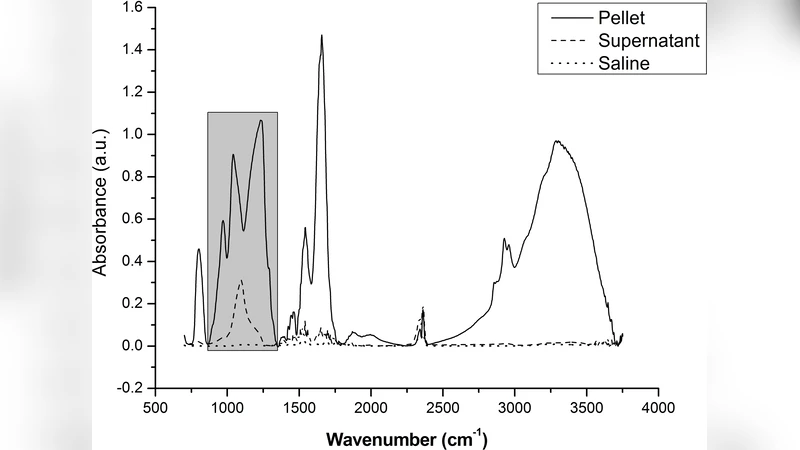
Some biochemical and metabolic characteristics of bovine sperm cells irradiated with low-level laser were probed and correlated to the irradiation parameters. Bovine spermatozoa were exposed to spatially filtered light from a He-Ne laser (633 nm) with fluences from 150 to 600 mJ/cm2. General biochemical alterations were assessed by vibrational spectroscopy (micro-Fourier-Transform Infrared technique). The mitochondrial membrane potential was assessed by flow cytometry. Lipid peroxidation due to reactive oxygen species (ROS) production was assessed by thiobarbituric acid reactive substances (TBARS) assay. Sperm morphologic characteristics changes were probed by atomic force microscopy (AFM) technique. LLLI was able to induce, at different fluences, changes in lipid, DNA and protein contents. Moreover, LLLI also induced changes in TBARS production, suggesting an irradiation effect on lipid peroxidation. Acrosomal reaction induction evidences was found based on changes in protein structure (Amides I and II bands) and AFM characterization. The most interesting result, however, was the changes in methyl and DNA groups, which strongly suggests that LLLI can modify DNA methylation patterns, important for pregnancy establishment. The observed changes in the above-cited parameters have direct impact on sperm quality. The low-level laser irradiation has the potential to improve the fertilizing capacity of bovine sperm cells.
💡 Research Summary
This study investigates the biochemical and metabolic characteristics of bovine sperm cells exposed to low-level laser irradiation (LLLI) from a He-Ne laser at 633 nm, with fluences ranging from 150 to 600 mJ/cm2. The research utilized micro-Fourier-Transform Infrared spectroscopy for biochemical alterations assessment and flow cytometry for mitochondrial membrane potential evaluation. Lipid peroxidation due to reactive oxygen species (ROS) production was assessed using the thiobarbituric acid reactive substances (TBARS) assay, while morphological changes were probed through atomic force microscopy (AFM).
The study found that LLLI induced changes in lipid, DNA, and protein contents at different fluences. Additionally, it affected TBARS production, indicating an impact on lipid peroxidation. Evidence of the acrosomal reaction was observed based on changes in protein structure as indicated by Amides I and II bands and AFM characterization.
One of the most significant findings was the alteration in methyl and DNA groups, suggesting that LLLI can modify DNA methylation patterns, which are crucial for pregnancy establishment. These observed changes directly impact sperm quality, indicating that low-level laser irradiation has the potential to enhance the fertilizing capacity of bovine sperm cells. The comprehensive analysis provides insights into how controlled LLLI could be utilized in improving reproductive outcomes in cattle breeding programs.
Comments & Academic Discussion
Loading comments...
Leave a Comment