Astronomy of two Indian tribes: Banjaras and Kolams
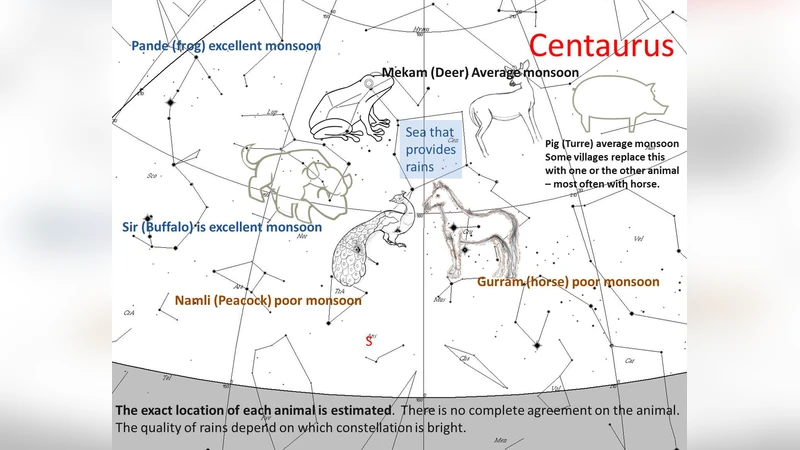
We report field studies of the astronomical beliefs of two Indian tribes: the Banjaras and the Kolams. The Banjaras are an ancient tribe connected with the gypsies of Europe while the Kolams have been foragers until recently. They share their landscape with each other and also with the Gonds whose astronomy was reported previously (Vahia and Halkare, 2013). The primary profession of the Banjaras was trade, based on the large-scale movement of goods over long distances, but their services were taken over by the railways about one hundred years ago. Since then the Banjaras have begun the long journey to a sedentary lifestyle. Meanwhile, the Kolams were foragers until about fifty years ago when the Government of India began to help them lead a settled life. Here, we compare their astronomical beliefs of the Banjaras and the Kolams, which indicate the strong sense of identity that each community possesses. Our study also highlights their perspective about the sky and its relation to their daily lives. We show that apart from the absolute importance of the data on human perception of the sky, the data also reveal subtle aspects of interactions between physically co-located but otherwise isolated communities as well as their own lifestyles. We also show that there is a strong relationship between profession and perspective of the sky.
💡 Research Summary
This paper presents field studies of the astronomical beliefs of two Indian tribes: the Banjaras and the Kolams. The Banjaras are an ancient tribe with connections to European gypsies, while the Kolams were foragers until recently. Both tribes share their landscape with each other and also with the Gonds whose astronomy was previously reported (Vahia and Halkare, 2013). Historically, the primary profession of the Banjaras was trade based on large-scale movement of goods over long distances; however, this role was taken over by railways about a century ago. Since then, the Banjaras have gradually transitioned towards a more sedentary lifestyle. Meanwhile, the Kolams were foragers until approximately fifty years ago when the Indian government began to assist them in leading a settled life. The study compares and contrasts the astronomical beliefs of the Banjaras and the Kolams, highlighting their strong sense of identity as communities. It also delves into their perspectives on the sky and its relation to their daily lives. The research underscores that apart from providing critical data on human perceptions of the sky, this information reveals subtle interactions between physically co-located but otherwise isolated communities and their respective lifestyles. The paper shows a significant relationship between profession and perspective toward the sky. For instance, the Banjaras’ historical reliance on long-distance trade might have influenced their astronomical observations for navigation purposes, while the Kolams’ past as foragers would likely involve more direct interactions with celestial bodies for timing agricultural activities or understanding seasonal changes. This study not only enriches our understanding of how different cultures perceive and utilize astronomy but also offers insights into the broader social dynamics that shape these perceptions.
Comments & Academic Discussion
Loading comments...
Leave a Comment