Green Computing In Developed And Developing Countries
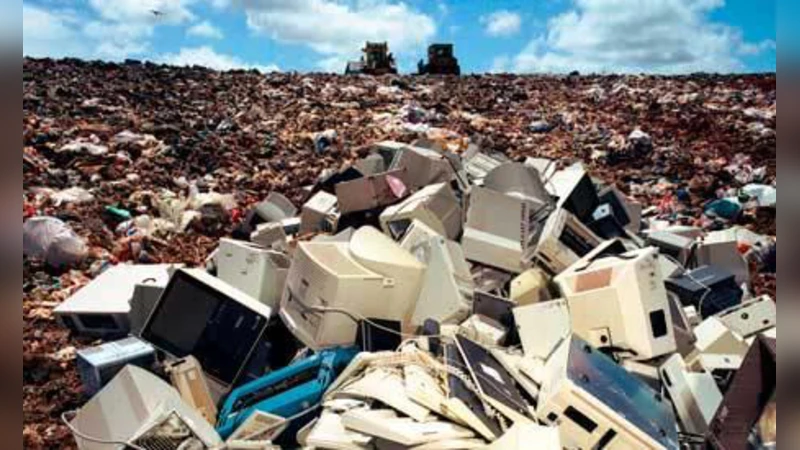
Today e-waste are becoming a major problem for the developing countries. E-waste is defined something as a discarded parts of electronic devices which contains most of the times, hazardous chemicals which is deadly for our environment, example is computer components. Green Computing is the study and practice of designing, using, disposing and manufacturing electronic components in an eco-friendly manner and Green Computing is one of the solution to tackle with this hazardous e-waste problem which is an emerging concern towards the environment. The objective of this paper is to draw the attention towards the lack of awareness about green computing or we can say how green computing policies is being ignored by developing countries and how developed countries are adopting green IT policies seriously. This paper also discusses the analysis which has been done on how the amount of e-waste has been increased in developing countries in past years
💡 Research Summary
This paper discusses the environmental impact of electronic waste (e-waste) and highlights the importance of green computing as a solution. E-waste, often containing hazardous chemicals like those found in computer components, poses significant threats to the environment. Green computing involves designing, using, disposing of, and manufacturing electronic devices in an eco-friendly manner.
The paper analyzes the disparity between developed and developing countries regarding awareness and implementation of green computing policies. It emphasizes that while developing countries lack sufficient understanding and application of these policies, leading to increased e-waste problems, developed nations have already adopted serious green IT strategies to address environmental concerns effectively.
Furthermore, the analysis includes a review of how e-waste has grown in volume over recent years within developing countries, driven by rapid digitalization and increasing consumption of electronic products. This trend underscores the urgent need for implementing green computing practices to mitigate environmental damage caused by improper disposal of electronics.
The paper concludes with an argument that developing countries must prioritize adopting green computing policies to manage e-waste more effectively. By doing so, they can contribute significantly to global efforts in protecting the environment from the harmful effects of electronic waste.
Comments & Academic Discussion
Loading comments...
Leave a Comment