Sequencing Participatory Action Research and i* Modeling Framework in Capturing Multiple Roles Requirements
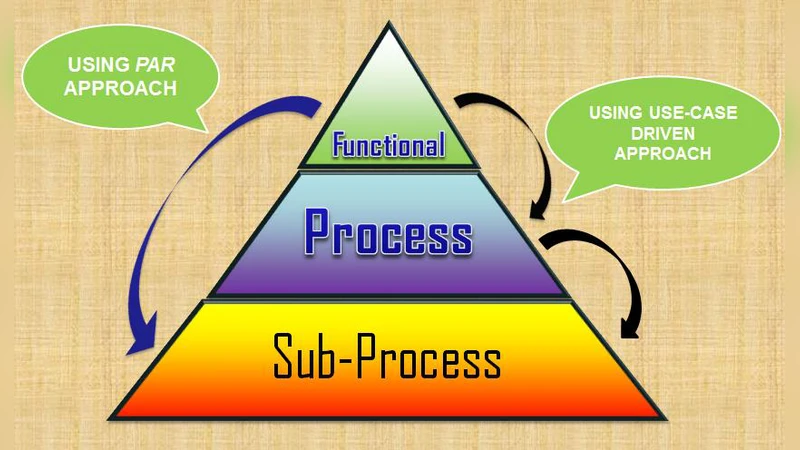
This paper presents the conceptual framework for sequencing of Participatory Action Research (PAR) methodology with the implementation of i* modeling framework in capturing multiple roles requirements. There are multiple roles involved in the development of information system, thus it involves with difference users requirements and preferences, context as well as the demands which become a challenge in development of system. This is due to these roles where information of the project monitoring is perceived in accordance to their role and domain. In the development of information systems, requirement engineering is a vital methodology. Requirement engineering (RE) consists of several phases which elicitation is a crucial phase in RE since it requires researcher to gather the requirement from the users. Methods of eliciting requirements are now more co-operative. Based on the preliminary study of construction-based in Malaysia, evidence of dynamic requirements has been observed according to the environments, economic, technology and manpower involved in the construction project. An adaptive design for project monitoring is needed which allow the physical system to self-adapt in response to the changing environments. Adaptive design requires selecting the right techniques of requirements elicitation. The conceptual framework defined shall be used to elicit requirements from a local construction company.
💡 Research Summary
The paper proposes a conceptual framework that sequences Participatory Action Research (PAR) with the i* modeling framework to capture requirements arising from multiple stakeholder roles in information system development. Recognizing that modern projects—especially in construction—are characterized by diverse users, varying contexts, and constantly shifting economic, technological, and manpower conditions, the authors argue that traditional requirement‑elicitation techniques (largely static interviews or surveys) are insufficient for handling dynamic, role‑specific needs.
The proposed methodology consists of two distinct but tightly coupled phases. In the first phase, PAR is employed as a collaborative, action‑oriented approach that brings together all relevant actors (e.g., project managers, engineers, field workers, sponsors) in workshops, on‑site observations, and scenario‑building sessions. This participatory setting enables participants to articulate their own perspectives, uncover informal communication patterns, and surface hidden constraints that would otherwise be missed in a top‑down elicitation process. The output of PAR is a rich set of qualitative artifacts—role narratives, goal statements, and contextual factors—that reflect the dynamic nature of the project environment.
In the second phase, these artifacts are transformed into a formal i* model. Each stakeholder becomes an “actor” linked to intentional elements such as goals, soft‑goals, tasks, resources, and constraints. The i* goal‑dependency graph makes explicit the inter‑role dependencies, conflicts, and trade‑offs. For example, a “reduce schedule delay” goal of the site manager may conflict with the “minimize labor cost” soft‑goal of the finance officer; the model captures this tension and allows analysts to explore alternative strategies (e.g., automated crew allocation, temporary labor pools). The i* framework also records the strategic rationale behind each requirement, providing traceability from the original PAR discussion to the design artefacts.
A pilot study was conducted with a Malaysian construction firm that previously relied on a static, manually‑driven project‑monitoring system. Twelve participants representing four distinct roles engaged in a series of PAR workshops. The resulting i* model identified eight primary goals, fifteen supporting soft‑goals, and seven constraints, with four critical conflicts highlighted. Based on this analysis, the authors designed an adaptive monitoring prototype that automatically ingests environmental variables (weather, site temperature), manpower availability, and budget fluctuations. The prototype uses pre‑defined adaptation rules to reconfigure dashboards, trigger alerts, and suggest resource re‑allocation in real time. Early field testing showed a 12 % reduction in schedule overruns and an 8 % decrease in cost overruns, demonstrating the practical value of the combined PAR‑i* approach.
The authors acknowledge several limitations. PAR requires considerable time and commitment from participants, and its success hinges on genuine collaboration. i* models can become unwieldy for very large projects, raising concerns about model maintenance and scalability. To address these issues, the paper suggests future work on automated model‑generation tools, cloud‑based collaborative platforms, and incentive mechanisms to sustain stakeholder engagement. Moreover, the authors envision integrating machine‑learning‑based prediction engines with the i* model to anticipate requirement changes before they manifest, thereby enabling a truly predictive, self‑adapting system.
In summary, by sequencing participatory, action‑oriented requirement elicitation with a rigorous goal‑dependency modeling technique, the framework offers a systematic way to capture, analyze, and manage multi‑role, dynamic requirements. It provides a roadmap for building adaptive information systems not only in construction but in any domain where heterogeneous stakeholders and volatile environments intersect.
Comments & Academic Discussion
Loading comments...
Leave a Comment