Astrophysics Source Code Library
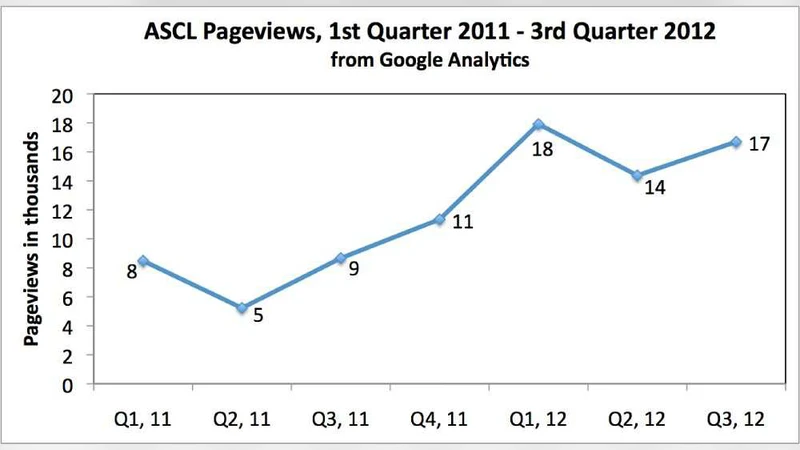
The Astrophysics Source Code Library (ASCL), founded in 1999, is a free on-line registry for source codes of interest to astronomers and astrophysicists. The library is housed on the discussion forum for Astronomy Picture of the Day (APOD) and can be accessed at http://ascl.net. The ASCL has a comprehensive listing that covers a significant number of the astrophysics source codes used to generate results published in or submitted to refereed journals and continues to grow. The ASCL currently has entries for over 500 codes; its records are citable and are indexed by ADS. The editors of the ASCL and members of its Advisory Committee were on hand at a demonstration table in the ADASS poster room to present the ASCL, accept code submissions, show how the ASCL is starting to be used by the astrophysics community, and take questions on and suggestions for improving the resource.
💡 Research Summary
The Astrophysics Source Code Library (ASCL) is a free, community‑driven online registry that was founded in 1999 to collect, curate, and disseminate source codes that are directly used in peer‑reviewed astronomical research. Hosted on the discussion forum for the Astronomy Picture of the Day (APOD), the ASCL is accessible at http://ascl.net and provides a web‑based interface where each entry includes a unique identifier, the code’s name, authors, programming language, license information, a brief description, and a link to the associated refereed publication (including DOI).
As of the writing of this paper, the library contains more than 500 entries. All of these codes have been identified as having contributed to results that appeared in or were submitted to refereed journals, which gives the ASCL a strong provenance base. The records are indexed by the NASA Astrophysics Data System (ADS), meaning that each code is searchable alongside traditional literature and can be formally cited in subsequent publications. This integration solves a long‑standing problem in the field: software that underlies scientific results has historically been difficult to locate, verify, and credit. By assigning a persistent identifier and making the entry citable, the ASCL elevates software to the status of a first‑class research output.
The operational model of the ASCL relies on a small editorial team and an Advisory Committee composed of senior astronomers and software developers. Submissions are manually vetted for relevance, completeness of metadata, and compliance with licensing norms. The editors also periodically audit existing entries to ensure that links remain functional and that metadata stays up‑to‑date. This human‑in‑the‑loop approach, while labor‑intensive, guarantees a high level of quality control that fully automated repositories often lack.
A key aspect of the ASCL’s outreach strategy is its presence at community meetings, exemplified by a demonstration table in the ADASS (Astronomical Data Analysis Software and Systems) poster room. At this venue, the editors presented live demos of the search interface, accepted new code submissions on the spot, and fielded questions about future enhancements. The interaction yielded concrete user feedback: participants requested more sophisticated search filters (e.g., by programming language, astrophysical sub‑field, or license type), automatic DOI generation for new entries, and tighter integration with version‑control platforms such as GitHub and GitLab.
Despite its successes, the ASCL faces several challenges as it continues to grow. First, the sheer volume of submissions necessitates a scalable metadata schema and automated validation pipelines that can check for broken URLs, license incompatibilities, and basic code health (e.g., whether the repository builds). Second, the diversity of software ecosystems—ranging from legacy Fortran codes to modern Python packages, Jupyter notebooks, and containerized workflows—requires flexible entry formats and clear guidelines for authors. Third, ensuring long‑term preservation and reproducibility may demand partnerships with digital preservation services (e.g., Zenodo, Figshare) to archive stable snapshots of each code version.
Looking forward, the authors outline a roadmap that includes tighter integration with existing version‑control services to automatically harvest metadata (author list, commit history, release tags) and to push a DOI to the ASCL entry whenever a new release is tagged. They also propose leveraging ORCID identifiers for author authentication, thereby linking software contributions directly to researcher profiles. Finally, the paper suggests exploring machine‑learning‑based recommendation engines that could suggest relevant codes to users based on the textual content of their papers or the keywords of existing entries, further enhancing discoverability.
In summary, the ASCL represents a critical infrastructure component for modern astrophysics. By providing a centralized, citable, and ADS‑indexed catalogue of research software, it improves transparency, reproducibility, and credit attribution in the field. Its community‑centric governance, active outreach at conferences such as ADASS, and ongoing plans for technical integration position it as a sustainable model for software stewardship in astronomy. Continued investment in automation, metadata standards, and preservation partnerships will be essential to maintain its relevance as the volume and complexity of astrophysical software continue to expand.
Comments & Academic Discussion
Loading comments...
Leave a Comment