Open Source Energy Simulation for Elementary School
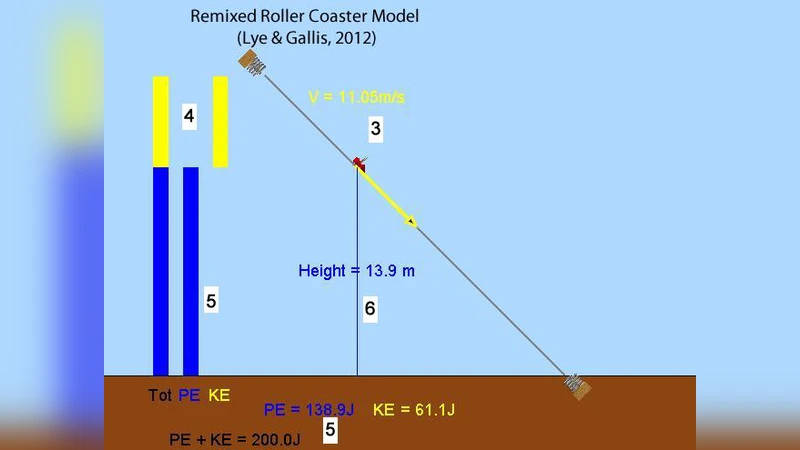
With the interactivity and multiple representation features, computer simulations lend itself to the guided inquiry learning. However, these simulations are usually designed for post-elementary students. Thus, the aim of this study is to investigate how the use of guided inquiry approach with customized energy simulation can improve students’ understanding of this topic. In this ongoing research, the case study is adopted. In the first phase of the study, we have modified open source energy simulation based on principles for reducing extraneous processing, existing energy simulation and guided inquiry approach. The modified simulation is sent to teachers for evaluation and the feedback is encouraging. In the next phase of the study, the guided inquiry lesson package involving the energy simulation would be designed and deployed in an elementary classroom. Multiple data sources would be collected to seek a deeper understanding on how this learning package can possibly impact students’ understanding of the physics concepts.
💡 Research Summary
The paper investigates how a customized open‑source energy simulation, combined with a guided‑inquiry instructional approach, can enhance elementary students’ understanding of basic physics concepts. The authors begin by noting that most existing computer simulations for physics are designed for middle‑school or high‑school learners; they often contain complex interfaces, extraneous visual and auditory information, and a high cognitive load that is unsuitable for younger learners. Moreover, while many studies have examined the learning effects of simulations, few have addressed how to adapt these tools for elementary classrooms and integrate them into a coherent instructional design.
Guided by Cognitive Load Theory, the researchers adopt the principle of reducing extraneous processing. They also draw on the Multiple Representations framework, which advocates presenting information through complementary visual, symbolic, and verbal modes to support deeper conceptual connections. Using these theoretical lenses, the team selected the open‑source PhET “Energy Skate Park” simulation as a base and performed a series of systematic modifications:
- Interface simplification – the number of menus and controls was reduced; icons were replaced with clear text labels.
- Language adaptation – all instructional text was rewritten at an elementary reading level, with concise definitions of key terms provided via pop‑up tooltips.
- Step‑by‑step guidance – a sequence of pop‑up prompts was added to scaffold the six phases of guided inquiry (problem presentation, hypothesis formation, experimental design, data collection, interpretation, feedback).
- Variable limitation – only three manipulable variables (initial height, initial speed, friction coefficient) were exposed to keep the experimental design manageable.
- Enhanced visual feedback – energy transformations were color‑coded, and real‑time graphs were synchronized with the animation so that students could instantly see the relationship between kinetic, potential, and thermal energy.
In the first phase of the study, the modified simulation was evaluated by five elementary science teachers. Through a combination of demonstration sessions, Likert‑scale surveys, and semi‑structured interviews, teachers reported that the simplified visual layout reduced cognitive overload, increased student engagement, and facilitated clearer connections between the simulation and the curriculum. They also highlighted positive aspects such as “students can directly observe how changing the height affects potential energy,” which they believed would promote conceptual understanding. However, teachers noted two areas for improvement: a lack of ready‑made curriculum‑aligned worksheets and the need for differentiated support for learners with varying prior knowledge. These insights informed the development of supplemental teacher guides, differentiated task sheets, and additional scaffolding materials for the next phase.
The second phase will implement a full guided‑inquiry lesson package in an actual elementary classroom. The lesson follows a six‑step inquiry model: (1) present a real‑world problem (e.g., “What happens to a skater’s energy when they start from a higher ramp?”), (2) have students formulate hypotheses, (3) let them design experiments by adjusting the three variables in the simulation, (4) collect data through the simulation’s built‑in graphs, (5) interpret the results, and (6) receive feedback from both the simulation (automatic visual cues) and the teacher (targeted probing questions).
Data collection will be multimodal. Pre‑ and post‑tests will assess conceptual mastery of energy conservation and transformation. Classroom observations and audio‑recorded student interviews will capture metacognitive behaviors, inquiry strategies, and affective responses. Teacher logs and post‑lesson surveys will document instructional challenges, time investment, and perceived efficacy. The authors anticipate statistically significant gains on the post‑test, increased metacognitive regulation (evidenced by more frequent hypothesis revision and data‑driven reasoning), and higher reported motivation compared with traditional lecture‑based instruction.
The study contributes a practical framework for adapting open‑source scientific simulations to the developmental level of elementary learners and demonstrates how guided inquiry can be systematically embedded to maximize learning gains while reducing teacher preparation burden. Future work will examine longitudinal transfer of the acquired concepts to other physics topics and explore scalability across diverse school contexts.