Improving Computer-Mediated Synchronous Communication of Doctors in Rural Communities through Cloud Computing: A Case Study of Rural Hospitals in South Africa
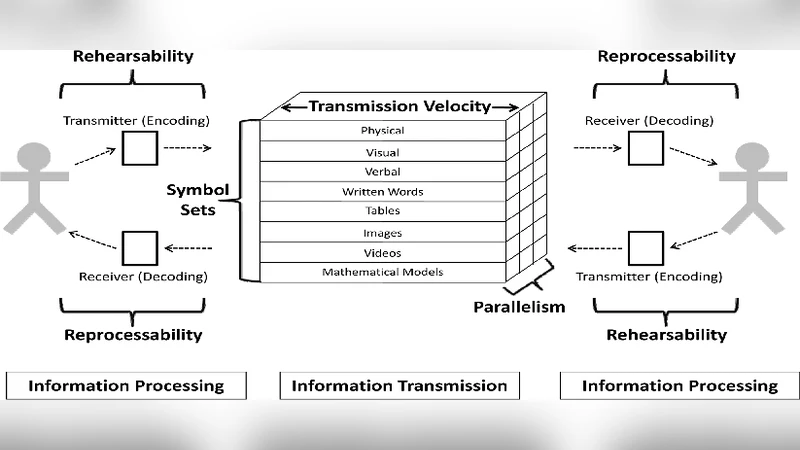
This paper investigated how doctors in remote rural hospitals in South Africa use computer-mediated tool to communicate with experienced and specialist doctors for professional advice to improve on their clinical practices. A case study approach was used. Ten doctors were purposively selected from ten hospitals in the North West Province. Data was collected using semi-structured open ended interview questions. The interviewees were asked to tell in their own words the average number of patients served per week, processes used in consultation with other doctors, communication practices using computer-mediated tool, transmission speed of the computer-mediated tool and satisfaction in using the computer-mediated communication tool. The findings revealed that an average of 15 consultations per doctor to a specialist doctor per week was done through face to face or through telephone conversation instead of using a computer-mediated tool. Participants cited reasons for not using computer-mediated tool for communication due to slow transmission speed of the Internet and regular down turn of the Internet connectivity, constant electricity power outages and lack of e-health application software to support real time computer-mediated communication. The results led to the recommendation of a hybrid cloud computing architecture for improving communication between doctors in hospitals.
💡 Research Summary
This study investigates the current state and challenges of computer‑mediated synchronous communication (CMSC) among doctors working in remote rural hospitals in South Africa’s North West Province, and proposes a cloud‑based solution to improve real‑time clinical consultation. Using a qualitative case‑study design, ten physicians were purposively selected—one from each of ten district hospitals. Semi‑structured interviews asked participants to describe (1) the average weekly patient load, (2) existing consultation processes with specialists, (3) the use of any computer‑mediated tools, (4) perceived internet transmission speed, and (5) overall satisfaction with those tools.
The analysis revealed that, despite an average need for roughly fifteen specialist consultations per doctor each week, physicians rely almost exclusively on face‑to‑face meetings or telephone calls. Use of electronic communication platforms (e‑mail, instant messaging, video conferencing) is minimal. Three primary barriers emerged: (a) slow and unreliable internet connectivity, caused by limited broadband infrastructure and frequent bandwidth throttling; (b) chronic power outages that interrupt server operation and network equipment, often leaving systems down for two to three hours; and (c) the absence of dedicated e‑health applications that can support secure, real‑time audio‑visual interaction. Participants expressed low confidence in generic messaging tools for transmitting sensitive patient data, further discouraging adoption.
These constraints not only impede efficient knowledge exchange but also jeopardize patient safety, as physicians must revert to less efficient communication modes under pressure. The authors argue that addressing both technical and organizational factors is essential for sustainable improvement.
To overcome the identified obstacles, the paper proposes a hybrid cloud architecture that combines public‑cloud services (for high‑availability networking and scalable video‑conferencing) with a private or on‑premise cloud (for secure storage of encrypted patient records). The hybrid model would route data‑intensive streams through the public provider’s robust backbone, while keeping confidential information within a controlled private environment, thereby satisfying both performance and regulatory requirements. A lightweight e‑health client application is suggested, featuring local caching, offline mode, and automatic fallback to text‑or‑image transmission when bandwidth drops below a threshold. Additional components include UPS‑backed hardware to mitigate power interruptions and a monitoring module that dynamically adjusts quality of service.
From an economic perspective, the hybrid approach reduces upfront capital expenditure: hospitals can consume public‑cloud resources on a pay‑as‑you‑go basis, scaling usage to actual demand, while re‑using existing on‑site servers for private storage. This model aligns with the limited budgets typical of rural health facilities. However, the authors acknowledge implementation challenges such as the scarcity of local IT expertise, the need for staff training, compliance with South Africa’s POPIA data‑protection legislation, and the establishment of sustainable maintenance funding.
In conclusion, the study provides a systematic diagnosis of why CMSC is underutilized in South African rural hospitals and offers a technically feasible, cost‑effective hybrid cloud solution that could enable reliable, secure, and real‑time specialist consultation. The authors recommend pilot deployments to evaluate system performance, user satisfaction, and clinical outcomes, and suggest future research to quantify the impact on diagnostic accuracy and patient throughput.
Comments & Academic Discussion
Loading comments...
Leave a Comment