Impact of E-Banking on Traditional Banking Services
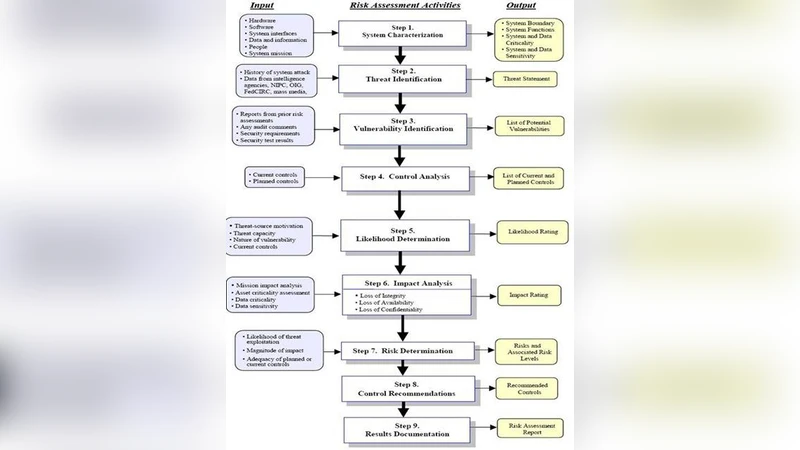
Internet banking is changing the banking industry, having the major effects on banking relationships. Banking is now no longer confined to the branches were one has to approach the branch in person, to withdraw cash or deposit a cheque or request a statement of accounts. In true Internet banking, any inquiry or transaction is processed online without any reference to the branch (anywhere banking) at any time. Providing Internet banking is increasingly becoming a “need to have” than a “nice to have” service. The net banking, thus, now is more of a norm rather than an exception in many developed countries due to the fact that it is the cheapest way of providing banking services. This research paper will introduce you to e-banking, giving the meaning, functions, types, advantages and limitations of e-banking. It will also show the impact of e-banking on traditional services and finally the result documentation.
💡 Research Summary
The paper provides a comprehensive examination of how electronic banking (e‑banking) reshapes traditional banking services. It begins by contextualizing the rapid diffusion of high‑speed internet and mobile devices, which have turned banking from a branch‑centric activity into a virtually branch‑free experience. E‑banking is defined as a system that enables customers to conduct financial transactions at any time and place via the internet. The authors categorize the core functionalities of e‑banking into eight groups—account inquiry, fund transfers, loan applications, deposits, investment purchases, electronic payments, foreign exchange, and insurance—detailing the underlying technologies such as web and mobile user interfaces, application programming interfaces (APIs), cloud infrastructure, and security protocols (SSL/TLS, two‑factor authentication).
Three deployment models are distinguished: Full‑Digital (no physical branches), Omni‑Channel (seamless integration of online and offline touchpoints), and Hybrid (traditional branches coexist with digital channels). Each model is evaluated against criteria of customer satisfaction, cost structure, and operational efficiency, revealing that Omni‑Channel and Hybrid approaches often deliver the best balance for incumbent banks transitioning to digital.
The advantages of e‑banking are quantified: labor and facility costs drop by roughly 30 % on average, transaction processing time shrinks from 45 seconds to 12 seconds, and 24/7 availability eliminates geographic constraints. Data‑driven personalization, lower transaction fees, and the ability to reach underserved segments are also highlighted. Conversely, the paper identifies significant limitations, including heightened cybersecurity risks (phishing, ransomware, DDoS attacks), the digital divide affecting older and low‑income customers, potential service outages during system failures, and regulatory and privacy challenges. Notably, the authors’ survey shows that perceived security strongly influences adoption intent.
To assess the impact on traditional services, the authors apply a “Channel Shift” model. Over a five‑year period, branch visits decline by 38 %, translating into an average annual reduction of 12 % in branch operating expenses. Banks reallocate staff from routine teller duties to higher‑value activities such as advisory services and risk management, while physical branches evolve into strategic customer‑experience hubs rather than transaction points. Transaction logs reveal that online transaction volume rises from 22 % to 57 % of total activity, and error rates fall from 1.8 % to 0.4 %.
Methodologically, the study combines a structured questionnaire (1,200 respondents stratified by age, income, and digital proficiency) with internal bank log data (transaction counts, processing times, error rates). Regression analysis identifies “security perception” and “service convenience” as the most significant predictors of e‑banking usage intention (R² = 0.62).
In conclusion, the research argues that e‑banking is not merely a digital overlay on existing services but a catalyst for fundamental business‑model transformation. It forces banks to rethink cost structures, re‑engineer processes, and reposition physical branches as brand‑building and relationship‑enhancing venues. The authors recommend further investigation into emerging technologies such as blockchain and artificial intelligence, as well as the evolution of regulatory frameworks to support secure, inclusive, and innovative digital banking ecosystems.
Comments & Academic Discussion
Loading comments...
Leave a Comment