Soft Active Matter
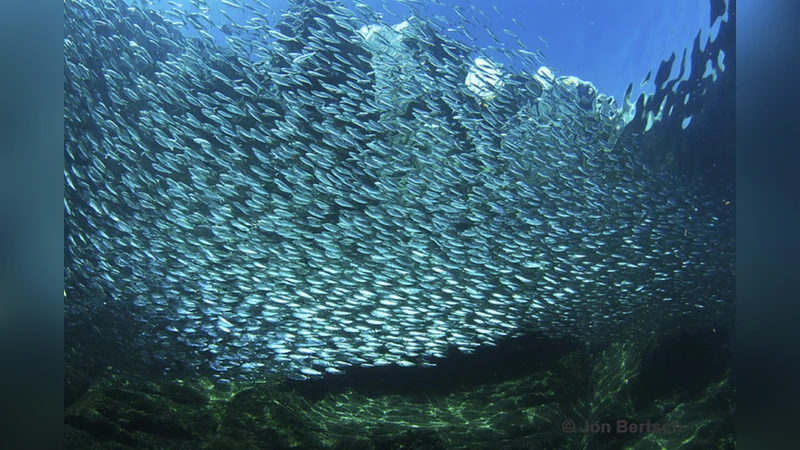
In this review we summarize theoretical progress in the field of active matter, placing it in the context of recent experiments. Our approach offers a unified framework for the mechanical and statistical properties of living matter: biofilaments and molecular motors in vitro or in vivo, collections of motile microorganisms, animal flocks, and chemical or mechanical imitations. A major goal of the review is to integrate the several approaches proposed in the literature, from semi-microscopic to phenomenological. In particular, we first consider “dry” systems, defined as those where momentum is not conserved due to friction with a substrate or an embedding porous medium, and clarify the differences and similarities between two types of orientationally ordered states, the nematic and the polar. We then consider the active hydrodynamics of a suspension, and relate as well as contrast it with the dry case. We further highlight various large-scale instabilities of these nonequilibrium states of matter. We discuss and connect various semi-microscopic derivations of the continuum theory, highlighting the unifying and generic nature of the continuum model. Throughout the review, we discuss the experimental relevance of these theories for describing bacterial swarms and suspensions, the cytoskeleton of living cells, and vibrated granular materials. We suggest promising extensions towards greater realism in specific contexts from cell biology to ethology, and remark on some exotic active-matter analogues. Lastly, we summarize the outlook for a quantitative understanding of active matter, through the interplay of detailed theory with controlled experiments on simplified systems, with living or artificial constituents.
💡 Research Summary
This review provides a comprehensive synthesis of theoretical progress in the field of active matter, situating it within the context of recent experimental observations across a broad spectrum of systems—from bio‑filaments and molecular motors to swarming microorganisms, animal flocks, and engineered analogues. The authors adopt a unifying framework that bridges semi‑microscopic models and phenomenological continuum theories, emphasizing how a single set of active hydrodynamic equations can capture the mechanical and statistical properties of such disparate systems.
The paper first distinguishes “dry” active systems, in which momentum is not conserved because of strong friction with a substrate or a porous matrix, from “wet” (hydrodynamic) systems where the surrounding fluid conserves momentum. In dry systems the authors clarify the nature of two orientationally ordered states: polar order, where particles share a common direction of motion, and nematic order, where only an axis is defined without head‑tail distinction. Both cases are described by continuum equations that contain non‑conservative active stresses and self‑propulsion terms. Linear stability analyses reveal characteristic instabilities: shear‑induced flow transitions and band‑plastic instabilities in polar dry media, and splay‑bend instabilities in nematic dry media.
The discussion then turns to active suspensions, where the Navier‑Stokes equations are supplemented by an active stress tensor. This tensor can be non‑symmetric, giving rise to active torques and an “active pressure” that has no equilibrium analogue. In low‑density bacterial suspensions the effective viscosity can become negative, leading to spontaneous flow (fluidic instability). At higher densities, cytoskeletal networks behave as active gels, displaying cycles of contraction and expansion that drive cell shape changes and motility.
A central contribution of the review is the systematic derivation of the continuum description from a variety of semi‑microscopic models—Vicsek‑type alignment models, Toner‑Tu field theories, and Doi‑Onsager kinetic approaches. The authors show how system‑specific microscopic parameters can be collapsed onto a small set of universal active coefficients (active stress, active pressure, active viscosity) and passive material constants. This mapping explains why the same continuum equations successfully describe bacterial swarms, vibrated granular layers, and synthetic self‑propelled colloids despite their microscopic differences.
The authors also catalogue large‑scale nonequilibrium phenomena that emerge from the active hydrodynamic equations: vortex formation in bacterial films, traveling contraction‑expansion waves in actomyosin gels, and clustering or flocking transitions in animal groups. They stress that many of these phenomena have been observed experimentally, providing strong validation for the theoretical framework.
In the final sections the review outlines the current limitations and future directions. Quantitative predictive power remains limited because many active coefficients are difficult to measure directly. The authors advocate for tightly controlled experiments on simplified platforms—such as bacteria confined in micro‑tubes, optically trapped synthetic swimmers, or engineered active granular monolayers—to calibrate the theory. They also highlight the need to integrate biochemical signaling pathways with mechanical active stresses in cellular contexts, and to develop “ethological hydrodynamics” that maps social interaction rules onto continuum parameters for animal groups.
Overall, the paper presents a coherent, unified picture of active matter, demonstrating how a single continuum framework can encompass dry and wet systems, polar and nematic order, and a wide array of experimentally observed instabilities. By linking semi‑microscopic derivations to phenomenology, it sets a clear agenda for achieving quantitative understanding through the synergistic interplay of theory and experiment.
Comments & Academic Discussion
Loading comments...
Leave a Comment