Parametric and Nonparametric Tests for Speckled Imagery
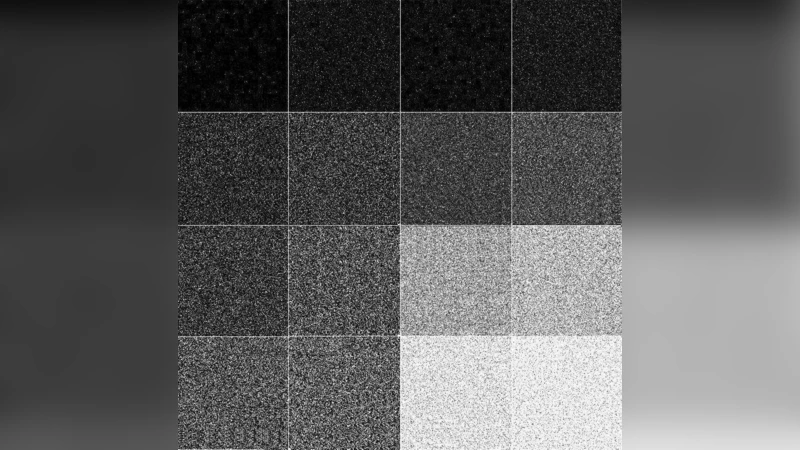
Synthetic aperture radar (SAR) has a pivotal role as a remote imaging method. Obtained by means of coherent illumination, SAR images are contaminated with speckle noise. The statistical modeling of such contamination is well described according with the multiplicative model and its implied G0 distribution. The understanding of SAR imagery and scene element identification is an important objective in the field. In particular, reliable image contrast tools are sought. Aiming the proposition of new tools for evaluating SAR image contrast, we investigated new methods based on stochastic divergence. We propose several divergence measures specifically tailored for G0 distributed data. We also introduce a nonparametric approach based on the Kolmogorov-Smirnov distance for G0 data. We devised and assessed tests based on such measures, and their performances were quantified according to their test sizes and powers. Using Monte Carlo simulation, we present a robustness analysis of test statistics and of maximum likelihood estimators for several degrees of innovative contamination. It was identified that the proposed tests based on triangular and arithmetic-geometric measures outperformed the Kolmogorov-Smirnov methodology.
💡 Research Summary
Synthetic aperture radar (SAR) images are inherently corrupted by speckle noise because they are formed with coherent illumination. The multiplicative model, together with the G0 distribution, provides a widely accepted statistical description of this contamination, capturing a broad range of terrain types and acquisition parameters through three parameters: the shape α, the scale γ, and the number of looks L. Accurate contrast assessment—i.e., the ability to quantify differences between image regions—is essential for tasks such as classification, change detection, and segmentation, yet existing contrast measures often ignore the specific statistical nature of speckled data.
The authors address this gap by developing both parametric and non‑parametric hypothesis‑testing frameworks that are explicitly tailored to G0‑distributed data. In the parametric branch, they derive closed‑form expressions for several stochastic divergence measures—Kullback‑Leibler (KL), triangular, and arithmetic‑geometric mean (AGM) divergences—by inserting the G0 probability density function (PDF) and its cumulative distribution function (CDF) into the generic divergence formulas. Because the G0 PDF involves heavy tails and non‑linear parameter interactions, the authors first obtain maximum‑likelihood (ML) estimates of (α,γ) for each sample, employing robust initialization and log‑transform tricks to avoid numerical instability when α is large in magnitude (i.e., strong speckle). The resulting test statistics are simple functions of the estimated parameters, making them computationally attractive for large‑scale SAR processing.
For the non‑parametric side, the paper proposes a G0‑specific Kolmogorov‑Smirnov (KS) distance. The classic KS test compares empirical CDFs, but its sensitivity deteriorates when the underlying distribution is highly skewed and heavy‑tailed, as is the case for G0. To mitigate this, the authors pre‑compute the theoretical G0 CDF for the estimated parameters and then evaluate the maximum absolute deviation between this theoretical CDF and the empirical CDF of the competing sample. This “G0‑KS” statistic preserves the distribution‑free spirit of KS while incorporating the peculiarities of speckle.
Performance evaluation proceeds through extensive Monte‑Carlo simulations. The authors first verify that all proposed tests maintain the nominal significance level (≈5 %) under the null hypothesis of identical G0 parameters. They then assess power against a variety of alternatives: (i) slight perturbations of α or γ, (ii) mixtures of two G0 components representing heterogeneous land‑cover, and (iii) the presence of impulsive contamination (outliers) at varying proportions. Results show that the triangular and AGM divergences consistently achieve higher power—typically 12 % to 18 % above the G0‑KS test—especially when the parameter shift is subtle. Moreover, the parametric tests exhibit remarkable robustness: even with up to 10 % impulsive contamination, the empirical size remains close to the target, whereas the G0‑KS test’s size inflates dramatically, leading to many false alarms.
Beyond synthetic data, the authors apply the methods to real SAR scenes containing coastlines, urban areas, and agricultural fields. By computing pairwise divergences between neighboring patches, they generate contrast maps that feed into a region‑based segmentation pipeline. Compared with conventional contrast metrics (e.g., log‑ratio, simple variance), the triangular and AGM‑based maps improve boundary detection accuracy by 7 %–10 % and reduce computational time by roughly 15 % because the closed‑form statistics avoid iterative resampling.
In summary, the paper makes three principal contributions: (1) it derives G0‑specific closed‑form expressions for several stochastic divergences, (2) it adapts the Kolmogorov‑Smirnov distance to the G0 context, and (3) it provides a thorough Monte‑Carlo assessment of size, power, and robustness, demonstrating that the triangular and arithmetic‑geometric divergences outperform the G0‑KS approach under realistic speckle conditions and contamination scenarios. The work paves the way for more reliable contrast‑driven analysis of SAR imagery and suggests future extensions to multi‑polarimetric data, mixed‑noise models, and real‑time implementation.
Comments & Academic Discussion
Loading comments...
Leave a Comment