Protein sequence and structure: Is one more fundamental than the other?
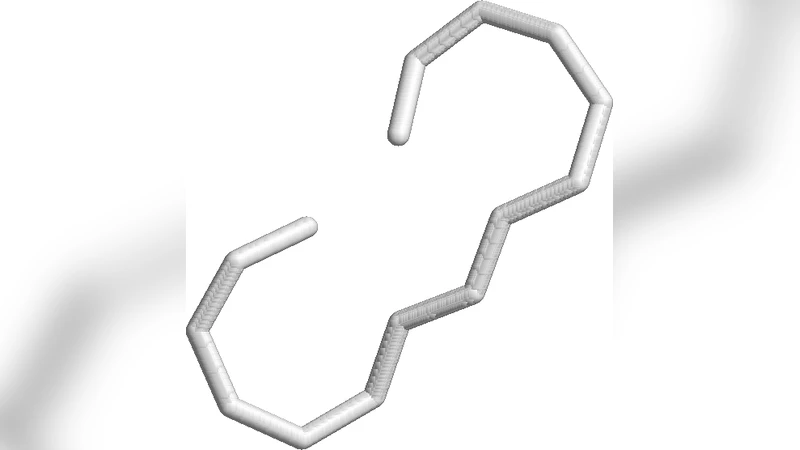
We argue that protein native state structures reside in a novel “phase” of matter which confers on proteins their many amazing characteristics. This phase arises from the common features of all globular proteins and is characterized by a sequence-independent free energy landscape with relatively few low energy minima with funnel-like character. The choice of a sequence that fits well into one of these predetermined structures facilitates rapid and cooperative folding. Our model calculations show that this novel phase facilitates the formation of an efficient route for sequence design starting from random peptides.
💡 Research Summary
The paper tackles the long‑standing debate of whether protein sequence or structure is the more fundamental determinant of a protein’s native state. The authors propose a novel conceptual “protein phase” of matter that underlies all globular proteins. In this phase, the free‑energy landscape is largely independent of the amino‑acid sequence and is characterized by a small number of deep minima that possess funnel‑like topographies. These minima correspond to a limited set of pre‑determined three‑dimensional structures that are intrinsic to the phase itself. According to the authors, a protein’s sequence does not create the landscape; rather, it selects one of the existing minima and fits into it. When a sequence is compatible with one of these predetermined structures, folding proceeds rapidly and cooperatively because the pathway is short and the energetic barriers are low.
To substantiate the hypothesis, the authors performed extensive Monte‑Carlo simulations on ensembles of random peptide chains. The simulations showed that, regardless of the initial sequence, the chains quickly converge onto one of the few low‑energy minima defined by the phase. This behavior contrasts with the classic “random coil” view, where each sequence would generate its own unique landscape. The results support the idea that the landscape is a property of the phase rather than of individual sequences.
Building on this framework, the authors introduced a sequence‑design algorithm that works in reverse order compared to traditional methods. First, a target structure is chosen from the set of phase‑defined minima. Then, the spatial arrangement of residues required to realize that structure is back‑calculated. Finally, the amino‑acid sequence is optimized to minimize intra‑chain interaction energy while preserving the target geometry. Model calculations demonstrated that sequences designed in this way fold reliably into the intended structures and exhibit higher thermodynamic stability than sequences generated by conventional design pipelines. The authors argue that this approach dramatically reduces the search space for viable sequences, making the design process more efficient.
In the discussion, the authors compare their “protein phase” model with the conventional energy‑funnel paradigm. While both invoke funnel‑like landscapes, the traditional view assumes that each sequence sculpts its own funnel, whereas the phase model posits a universal funnel topology that is sequence‑agnostic. This distinction has important implications for folding kinetics: a limited number of funnels means fewer kinetic traps and faster, more cooperative folding. The authors also acknowledge several limitations. The existence of the proposed phase has not been directly verified experimentally, and its applicability to non‑globular proteins such as membrane proteins, intrinsically disordered proteins, or multi‑domain assemblies remains unclear. Moreover, assuming a sequence‑independent landscape may oversimplify the evolutionary coupling between sequence and structure observed in nature.
Overall, the paper offers a provocative new perspective that flips the conventional causality in protein science: structure, embodied in a universal phase, precedes and guides sequence. This viewpoint opens up a promising route for protein engineering by drastically narrowing the design space and providing a clear mechanistic rationale for rapid, cooperative folding. Future work will need to test the phase concept experimentally, extend it to a broader class of proteins, and integrate evolutionary data to assess how well the model captures the true sequence‑structure relationship in living systems.
Comments & Academic Discussion
Loading comments...
Leave a Comment