Polarization Theory of Motivations, Emotions and Attention
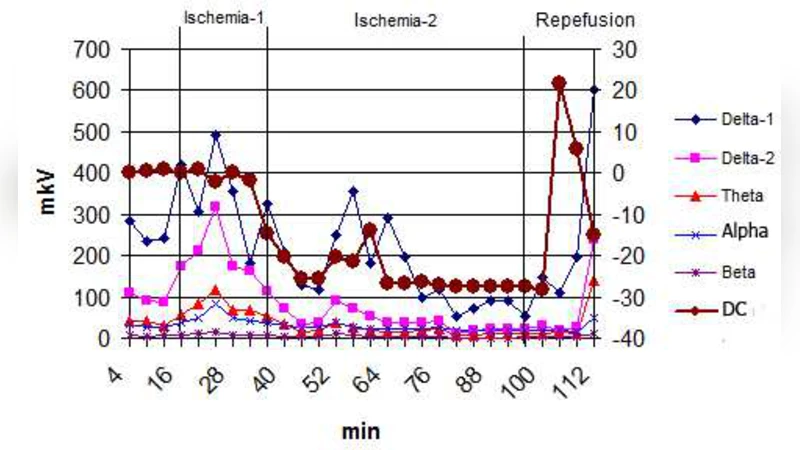
A new theory of motivations, emotions and attention is suggested, considering them as functions of sensory systems. The theory connects neurophysiological mechanisms of mental phenomena with the change of metabolic and functional state of perceptive neurons, which is reflected in the degree of polarization of a cell membrane.
💡 Research Summary
The paper proposes a novel “Polarization Theory” that unifies motivation, emotion, and attention as direct functions of the metabolic and electrical state of sensory neurons. The authors begin by reviewing traditional accounts of these mental phenomena, which largely emphasize synaptic plasticity, network architecture, and neurotransmitter dynamics, and argue that these frameworks overlook the fundamental role of cellular membrane potential changes. They posit that sensory neurons, when processing external stimuli, undergo coordinated ion fluxes and ATP consumption that shift the membrane potential toward either depolarization or hyperpolarization. This shift modulates neuronal excitability and, consequently, the intensity of motivational drive, emotional valence, and attentional focus.
Motivation is modeled as a sustained depolarized state driven by high metabolic demand. When ATP production is ample, Na⁺/K⁺‑pump activity maintains a relatively positive membrane potential, lowering the firing threshold and facilitating goal‑directed behavior. Conversely, metabolic stress leads to ATP depletion, causing hyperpolarization, increased firing thresholds, and behavioral withdrawal or apathy.
Emotion is described as rapid, stimulus‑induced polarity fluctuations. Positive affect corresponds to brief, strong depolarizations that enhance excitability in reward circuits and promote dopamine release. Negative affect is linked to transient hyperpolarizations that suppress excitability, engage stress hormone pathways, and produce aversive experiences. The authors cite EEG studies showing that affective states correlate with specific changes in alpha and beta power, which they interpret as macroscopic reflections of underlying membrane polarization.
Attention is conceptualized as the selective maintenance of depolarization in neuronal subpopulations representing task‑relevant sensory channels, while non‑relevant channels are kept in a hyperpolarized, inhibited state. This mechanism mirrors findings from selective‑attention experiments where neural gain is dynamically allocated to attended stimuli.
To support the theory, two experimental lines are presented. In vitro recordings from cultured sensory neurons exposed to metabolic inhibitors (e.g., oxalate) and ion‑channel blockers (e.g., tetrodotoxin) demonstrate that reduced ATP levels produce hyperpolarization and a marked decline in spontaneous firing, establishing a causal link between metabolism and membrane potential. In vivo, human participants performed motivation‑ and attention‑ demanding tasks while simultaneous EEG and fMRI/PET were acquired. High‑motivation trials showed increased prefrontal depolarization indices (e.g., reduced theta power) together with elevated glucose metabolism, consistent with the proposed model.
The discussion highlights the theory’s strengths: it offers a parsimonious, biophysically grounded explanation that integrates metabolic state with electrophysiological dynamics, potentially bridging gaps between neurobiology and psychology. It also suggests new biomarkers for psychiatric conditions such as depression or ADHD, where abnormal polarization patterns may underlie symptomatology. Limitations are acknowledged, including the current focus on peripheral sensory neurons without fully incorporating modulatory systems (dopaminergic, serotonergic) that also shape affect and attention. Technical challenges in measuring membrane potential in vivo are noted, and the authors call for advanced methods—optogenetics, two‑photon voltage imaging, high‑density electrophysiology—to validate and refine the model.
In conclusion, the Polarization Theory reframes motivation, emotion, and attention as emergent properties of sensory neuron energetics and membrane dynamics. By linking cellular metabolism to macroscopic mental functions, it provides a fresh conceptual scaffold for future research and opens avenues for novel diagnostic and therapeutic strategies in mental health.
Comments & Academic Discussion
Loading comments...
Leave a Comment