Enzyme-Based Logic Systems for Information Processing
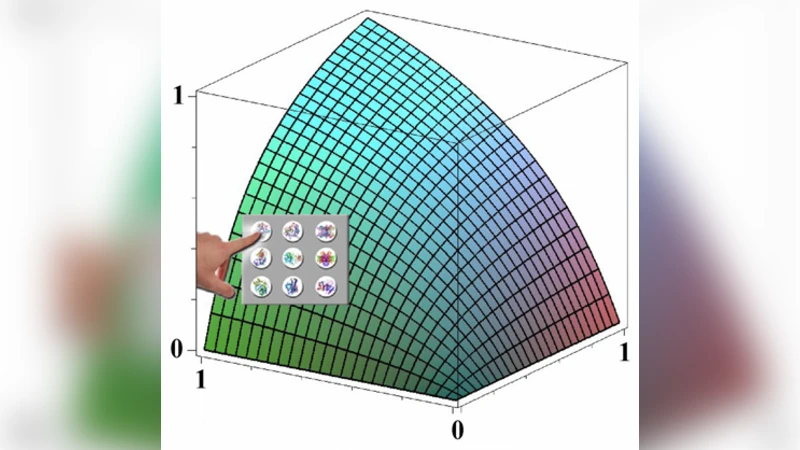
We review enzymatic systems which involve biocatalytic reactions utilized for information processing (biocomputing). Extensive ongoing research in biocomputing, mimicking Boolean logic gates has been motivated by potential applications in biotechnology and medicine. Furthermore, novel sensor concepts have been contemplated with multiple inputs processed biochemically before the final output is coupled to transducing “smart-material” electrodes and other systems. These applications have warranted recent emphasis on networking of biocomputing gates. First few-gate networks have been experimentally realized, including coupling, for instance, to signal-responsive electrodes for signal readout. In order to achieve scalable, stable network design and functioning, considerations of noise propagation and control have been initiated as a new research direction. Optimization of single enzyme-based gates for avoiding analog noise amplification has been explored, as were certain network-optimization concepts. We review and exemplify these developments, as well as offer an outlook for possible future research foci. The latter include design and uses of non-Boolean network elements, e.g., filters, as well as other developments motivated by potential novel sensor and biotechnology applications.
💡 Research Summary
The paper provides a comprehensive review of enzymatic systems that have been engineered to perform information processing tasks, often referred to as biocomputing. It begins by outlining the motivation for replacing or complementing traditional electronic logic circuits with biochemical alternatives, emphasizing advantages such as low power consumption, inherent biocompatibility, and the ability to operate directly in aqueous or physiological environments. The core concept is to map the concentration of substrates, products, or inhibitors onto binary logic levels (0 and 1) by defining appropriate threshold values.
In the sections on gate design, the authors detail how classic Michaelis–Menten kinetics (Km, Vmax) are exploited to shape input–output relationships. For an AND gate, two substrates must be present simultaneously to drive the enzyme into a regime where product concentration exceeds the predefined threshold; for an OR gate, either substrate suffices. NOT gates are realized through competitive inhibition or substrate depletion, while more complex functions such as XOR are built by cascading multiple enzymatic steps. The review includes a catalog of enzymes that have been used—glucose oxidase, horseradish peroxidase, alanine transaminase, among others—and discusses how enzyme immobilization on conductive supports (gold nanoparticles, conductive polymers) facilitates electrical read‑out.
A major portion of the manuscript is devoted to the problem of analog noise. Because biochemical reactions are continuous and highly sensitive to temperature, pH, ionic strength, and stochastic fluctuations in molecule numbers, small variations in input concentrations can be amplified through the kinetic non‑linearity. The authors present a quantitative noise‑propagation model, defining a “noise gain” for each gate and showing how this gain depends on kinetic parameters and on the chosen threshold window. Strategies to suppress noise include operating the enzyme in the saturated region of its kinetic curve, adjusting enzyme loading to flatten the response, and employing auxiliary enzymes that consume interfering species.
When multiple gates are connected to form a network, noise can accumulate, potentially leading to signal degradation. To address this, the review introduces non‑Boolean network elements that act as filters or signal conditioners. For instance, a downstream enzymatic “attenuator” can clamp the output concentration within a narrow band, preventing excessive variation from propagating to subsequent stages. Conversely, an “amplifier” module based on enzyme recycling can boost weak signals without proportionally increasing noise. The authors describe experimental realizations of two‑ and three‑gate cascades that were interfaced with electrochemical transducers; the measured current served as the final digital output. In these demonstrations, the application of noise‑control techniques resulted in a three‑fold improvement in signal‑to‑noise ratio compared with unoptimized designs.
The concluding sections discuss current limitations and future research avenues. Enzyme stability, limited turnover rates, and the difficulty of scaling up to large, densely interconnected networks remain significant challenges. The paper suggests that engineered artificial enzymes, nanocatalysts, and microfluidic reaction chambers could provide higher robustness and faster kinetics. Moreover, the integration of non‑Boolean components such as biochemical filters, adaptive circuits, and memory elements opens the door to more sophisticated computation beyond simple Boolean logic. Potential applications highlighted include smart biosensors that preprocess multiple biochemical inputs before reporting a single electrical signal, in‑vivo diagnostic devices that compute disease markers directly in bodily fluids, and responsive materials whose mechanical or electrical properties are modulated by enzymatically computed decisions. Overall, the review paints a picture of a rapidly evolving field where advances in enzyme engineering, kinetic modeling, and materials science converge to enable practical biocomputing platforms.
Comments & Academic Discussion
Loading comments...
Leave a Comment