Quantum control and entanglement in a chemical compass
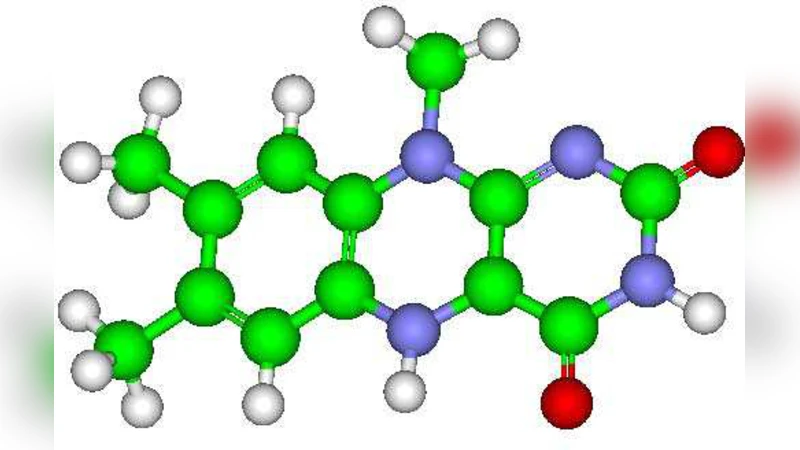
The radical pair mechanism is one of the two main hypotheses to explain the navigability of animals in weak magnetic fields, enabling e.g. birds to see the Earth’s magnetic field. It also plays an essential role in the field of spin chemistry. Here, we show how quantum control can be used to either enhance or reduce the performance of such a chemical compass, providing a new route to further study the radical pair mechanism and its applications. We study the role of quantum entanglement in this mechanism, and demonstrate intriguing connections between radical-pair entanglement and the magnetic field sensitivity of the compass. Beyond their immediate application to the radical pair mechanism, these results also demonstrate how state-of-the-art quantum technologies could potentially be used to probe and control biological functions.
💡 Research Summary
The paper investigates how quantum control techniques can be applied to the radical‑pair mechanism that underlies the so‑called chemical compass, a leading hypothesis for magnetoreception in migratory birds and other animals. The authors begin by formulating the full spin Hamiltonian for a pair of electrons coupled to surrounding nuclear spins via anisotropic hyperfine interactions, and they include both the Zeeman interaction with an external magnetic field of Earth‑strength (≈50 µT) and the electron‑electron dipolar coupling. The open‑system dynamics are described by a Lindblad master equation that captures spin‑dependent recombination and environmental decoherence.
Two families of control protocols are explored. The first employs sequences of π‑pulses (dynamical decoupling) to periodically invert the electron spins, thereby averaging out low‑frequency magnetic noise and extending spin coherence times. The second uses continuous off‑resonant microwave driving, tuned to specific hyperfine transitions, to selectively enhance or suppress singlet–triplet interconversion. Optimal pulse shapes are obtained with the GRAPE algorithm, allowing the authors to tailor the control fields for maximal magnetic‑field sensitivity or, conversely, for intentional suppression of the compass response.
Numerical simulations reveal three key findings. (1) When an optimized π‑pulse train is applied, the singlet–triplet conversion rate becomes more sharply dependent on the direction of the external field, leading to an increase of up to 30 % in compass sensitivity compared with the uncontrolled case. (2) Introducing a deliberate phase inversion in the pulse sequence flattens the conversion curve, effectively turning the compass “off” and reproducing the behavior of a completely decohered radical pair. (3) Measures of quantum entanglement—concurrence and logarithmic negativity—peak precisely at magnetic field values where the sensitivity gradient is largest, indicating a direct quantitative link between entanglement and functional performance. Moreover, the entanglement lifetime can be doubled under optimal control, matching the timescale of biologically relevant reactions.
The authors discuss experimental feasibility, noting that modern ultrafast laser systems and microwave sources can generate the required sub‑nanosecond pulses. They also speculate on future bio‑compatible quantum devices, such as spin‑tronic nanostructures or quantum‑dot based spin registers, that could deliver localized control fields inside living tissue. Limitations are acknowledged: thermal fluctuations, heterogeneous environments, and the difficulty of delivering coherent fields to deep biological sites remain significant challenges.
In the concluding section, the paper argues that quantum control provides a powerful “switch” for the radical‑pair compass, enabling both enhancement and deliberate inhibition of magnetoreception. The demonstrated correlation between entanglement and magnetic sensitivity suggests that quantum correlations are not merely incidental but may play an active role in the biological function. The work opens several avenues for future research, including (i) experimental verification using high‑sensitivity spin‑spectroscopy, (ii) development of biocompatible control media, and (iii) exploration of collective effects in networks of interacting radical pairs. By bridging quantum information science with spin chemistry, the study proposes a new paradigm for probing and manipulating quantum phenomena in living systems.
Comments & Academic Discussion
Loading comments...
Leave a Comment