Local ePolitics Reputation Case Study
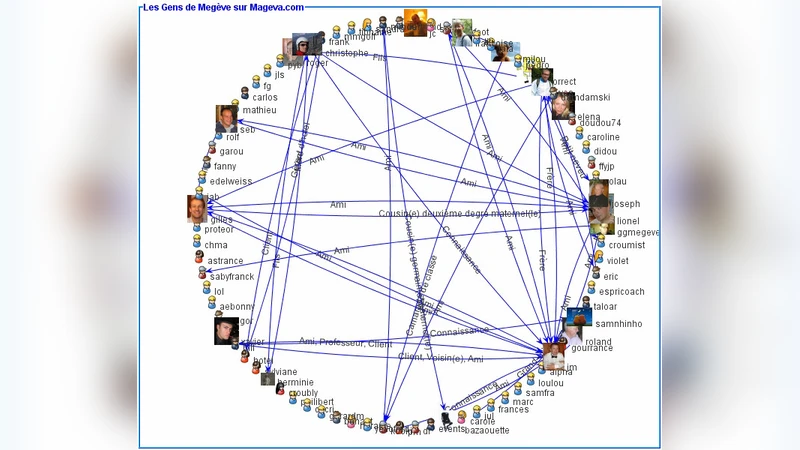
More and more people rely on Web information and with the advance of Web 2.0 technologies they can increasingly easily participate to the creation of this information. Country-level politicians could not ignore this trend and have started to use the Web to promote them or to demote their opponents. This paper presents how candidates to a French mayor local election and with less budget have engineered their Web campaign and online reputation. After presenting the settings of the local election, the Web tools used by the different candidates and the local journalists are detailed. These tools are evaluated from a security point of view and the legal issues that they have created are underlined.
💡 Research Summary
The paper presents a case study of a French municipal election in which three low‑budget mayoral candidates relied heavily on Web 2.0 tools to build their online reputation and run a digital campaign. The authors first describe the electoral context: a medium‑sized town with a voter base of roughly 30 000, a legal framework that tightly regulates election advertising, and a local press that actively covers the race through blogs and podcasts.
The methodology combines qualitative interviews (candidates, campaign staff, and four local journalists) with quantitative analysis of the candidates’ digital footprints (websites, social‑media posts, video uploads, and e‑mail newsletters). Technical audits were performed using vulnerability scanners on the WordPress sites, API‑key inspections for automation tools, and metadata analysis of uploaded videos.
The candidates’ digital stack consisted of:
- A WordPress‑based campaign website with SEO, social‑share, and comment plugins.
- Facebook pages, Twitter accounts, and Instagram business profiles, managed through third‑party scheduling services (e.g., Buffer).
- Short‑form video content on YouTube and TikTok.
- Mailchimp newsletters for direct outreach.
- Collaboration with local journalists who produced blog posts and a weekly podcast.
Security findings reveal several systemic weaknesses. The WordPress installations were not kept up‑to‑date; several plugins exposed known CVEs, and the XML‑RPC endpoint remained open, allowing brute‑force login attempts. API keys for the scheduling services were stored in plain‑text configuration files, creating a high‑risk insider‑threat vector. Video metadata contained GPS coordinates, inadvertently disclosing candidates’ movement patterns. The Mailchimp subscriber list was not encrypted, raising GDPR compliance concerns. Moreover, the journalists’ blogs incorporated third‑party widgets that were vulnerable to cross‑site scripting attacks.
From a legal perspective, the French electoral code prohibits online advertising and the dissemination of campaign messages beyond a 15‑day pre‑ and post‑election window. Several social‑media posts persisted beyond this period, exposing the candidates to potential sanctions. Defamation claims emerged when candidates exchanged unverified accusations in public comment threads; the anonymity afforded by the comment system complicated liability assessments. The journalists’ use of copyrighted images without permission triggered copyright infringement disputes. Finally, the handling of personal data in newsletters did not fully satisfy GDPR’s consent and data‑retention requirements.
The discussion synthesizes these observations into actionable recommendations. Candidates should adopt a “security‑by‑design” approach: keep all CMS components patched, enforce two‑factor authentication, store secrets in encrypted vaults, and strip location data from media files. Legal compliance demands a pre‑approval workflow for all digital content, strict scheduling to respect the advertising blackout, and rigorous fact‑checking before publishing. Journalists must obtain proper licenses for any third‑party media and implement clear attribution practices.
In conclusion, the study demonstrates that low‑budget political actors can achieve a visible online presence using free or open‑source tools, but this cost‑saving strategy introduces significant security vulnerabilities and legal exposure. By integrating regular security audits, robust data‑privacy practices, and systematic legal review into the campaign workflow, small‑scale candidates can mitigate risks while still leveraging the participatory power of the modern Web. The authors suggest future comparative research across different jurisdictions and an exploration of AI‑driven content generation as the next frontier in local e‑politics.
Comments & Academic Discussion
Loading comments...
Leave a Comment