Biological Computing Fundamentals and Futures
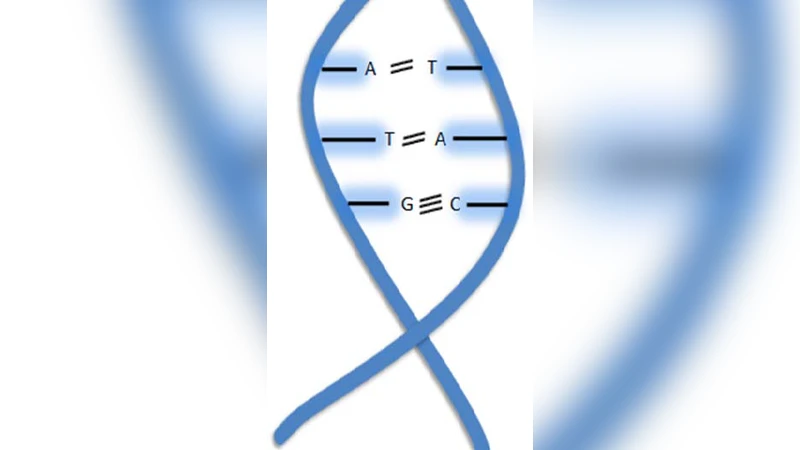
The fields of computing and biology have begun to cross paths in new ways. In this paper a review of the current research in biological computing is presented. Fundamental concepts are introduced and these foundational elements are explored to discuss the possibilities of a new computing paradigm. We assume the reader to possess a basic knowledge of Biology and Computer Science
💡 Research Summary
The paper provides a comprehensive review of the emerging field of biological computing, tracing its conceptual roots, current research achievements, and future prospects. It begins by outlining the rapid advances in both computing technology and molecular biology, arguing that their convergence offers a novel paradigm that could complement or even surpass conventional silicon‑based architectures for certain classes of problems. The authors then introduce the fundamental building blocks of biological computation: nucleic acids (DNA and RNA), proteins, and whole cells.
In the DNA computing section, the paper discusses the high information density of the double‑helix, the use of polymerase chain reaction (PCR) and high‑throughput sequencing for rapid read/write operations, and the implementation of logical operations through strand displacement, DNA origami, and enzymatic cascades. Recent experimental demonstrations of large‑scale parallelism, error‑correcting codes, and autonomous DNA nanomachines are highlighted, showing that DNA can serve both as a storage medium and as a processor.
RNA‑based computing is examined next, focusing on ribozymes, riboswitches, and engineered ribozyme circuits that enable conditional transcription and translation. The authors describe how RNA logic gates can be assembled into networks that mimic neural architectures, and they analyze the kinetic constraints imposed by transcriptional and translational delays.
Protein computing is presented as a complementary approach, leveraging the catalytic specificity of enzymes and the conformational dynamics of allosteric proteins to realize molecular switches, memory cells, and arithmetic operations. The paper compares natural enzymes with engineered catalysts, discussing strategies to improve turnover rates, substrate specificity, and integration with electronic readouts.
Cellular computing is explored through synthetic biology. The authors review the design of gene‑level logic circuits, toggle switches, oscillators, and programmable cell‑based sensors that can process environmental inputs and produce coordinated outputs. They emphasize the potential of living cells to perform distributed computation, self‑repair, and adaptation, while also noting challenges related to metabolic burden and evolutionary stability.
A substantial portion of the review is devoted to hybrid bio‑electronic platforms. It surveys microfluidic lab‑on‑a‑chip devices, bio‑MEMS, and electrochemical interfaces that translate molecular events into electrical signals and vice versa. The authors discuss recent prototypes that couple DNA strand‑displacement reactions with CMOS readout circuits, enabling real‑time monitoring of molecular computations.
The paper concludes with a critical assessment of the remaining technical hurdles: high error rates, limited reaction speeds, scalability of manufacturing, and the need for robust standards. Ethical and security considerations, such as biosafety, intellectual property, and potential misuse, are also addressed. Looking forward, the authors envision self‑replicating molecular computers, molecular‑scale artificial intelligence, and environmentally responsive computing systems as long‑term goals that will require deep interdisciplinary collaboration among computer scientists, biologists, chemists, and engineers. The overall message is that biological computing, while still in its infancy, holds transformative potential for data storage, parallel processing, and adaptive computation beyond the reach of traditional digital technologies.
Comments & Academic Discussion
Loading comments...
Leave a Comment