The influence of horizontal gene transfer on the mean fitness of unicellular populations in static environments
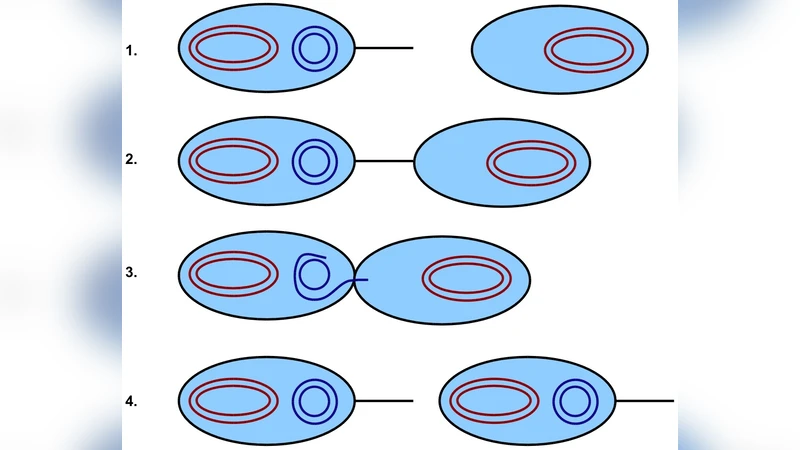
This paper develops a mathematical model describing the influence that conjugation-mediated Horizontal Gene Transfer (HGT) has on the mutation-selection balance in an asexually reproducing population of unicellular, prokaryotic organisms. It is assumed that mutation-selection balance is reached in the presence of a fixed background concentration of antibiotic, to which the population must become resistant in order to survive. We analyze the behavior of the model in the limit of low and high antibiotic-induced first-order death rate constants, and find that the highest mean fitness is obtained at low rates of bacterial conjugation. As the rate of conjugation crosses a threshold, the mean fitness decreases to a minimum, and then rises asymptotically to a limiting value as the rate of conjugation becomes infinitely large. However, this limiting value is smaller than the mean fitness obtained in the limit of low conjugation rate. This dependence of the mean fitness on the conjugation rate is fairly small for the parameter ranges we have considered, and disappears as the first-order death rate constant due to the presence of antibiotic approaches zero. For large values of the antibiotic death rate constant, we have obtained an analytical solution for the behavior of the mean fitness that agrees well with the results of simulations. The results of this paper suggest that conjugation-mediated HGT has a slightly deleterious effect on the mean fitness of a population at mutation-selection balance. Therefore, we argue that HGT confers a selective advantage by allowing for faster adaptation to a new or changing environment. The results of this paper are consistent with the observation that HGT can be promoted by environmental stresses on a population.
💡 Research Summary
This paper presents a quantitative theoretical framework for assessing how conjugation‑mediated horizontal gene transfer (HGT) influences the mutation‑selection balance of an asexually reproducing bacterial population exposed to a constant concentration of antibiotic. The authors assume that the population reaches a steady‑state balance between deleterious mutations (rate μ) and selective pressure imposed by the antibiotic, which kills sensitive cells with a first‑order death rate constant d. Two phenotypic classes are considered: cells lacking a resistance‑conferring plasmid (sensitive) and cells that carry such a plasmid (resistant). Plasmid carriage incurs a fitness cost c, reducing the replication rate of resistant cells. Conjugation occurs at a rate γ, representing the frequency with which a resistant donor transfers the plasmid to a sensitive recipient.
The dynamics are captured by a pair of ordinary differential equations for the fractions of sensitive (P_s) and resistant (P_r) cells:
dP_s/dt = (1‑μ)(1‑d)P_s – γP_sP_r + μP_r
dP_r/dt = (1‑μ)(1‑c)P_r + γP_sP_r – μP_r
The mean fitness of the whole population, (\bar W), is defined as the weighted sum of the fitnesses of the two classes. By solving the system analytically in limiting regimes and numerically across a broad parameter space, the authors explore how (\bar W) varies with γ for different values of d, μ, and c.
Two extreme scenarios are examined. When the antibiotic death rate d → 0 (i.e., negligible selective pressure), resistance provides no advantage, and the only effect of HGT is the plasmid cost. In this regime (\bar W) is essentially independent of γ; both the low‑conjugation limit (γ → 0) and the high‑conjugation limit (γ → ∞) yield nearly identical mean fitness.
In contrast, when d is large, resistance becomes essential for survival. At very low γ, resistant cells arise only through spontaneous mutation, so (\bar W) remains low. As γ increases past a threshold γ_c, plasmid transfer rapidly spreads resistance, raising (\bar W). However, because each resistant cell pays the cost c, the mean fitness reaches a minimum at γ ≈ γ_c. Further increases in γ lead to a gradual recovery of (\bar W), but the asymptotic value as γ → ∞ remains below the maximum achieved at γ → 0. The authors derive an approximate analytical expression for the high‑γ regime:
(\bar W ≈ (1‑c) \exp
Comments & Academic Discussion
Loading comments...
Leave a Comment