Black holes through cosmic time: Exploring the distant X-ray Universe with extragalactic Chandra surveys
Extragalactic X-ray surveys are exceptionally powerful tools for studying the evolution of supermassive black holes and their host galaxies, by detecting large numbers of active galactic nuclei (AGN) and star-forming galaxies over a wide range of redshifts and cosmic environments. With its sensitivity and superb angular resolution, Chandra has been at the forefront of recent extragalactic surveys. This article provides a brief overview of Chandra surveys, and highlights a few recent results on the composition of the cosmic X-ray background, insights on X-ray source populations, and links between AGN and galaxy evolution, as well as discussing prospects for surveys with future X-ray missions.
💡 Research Summary
The paper provides a comprehensive overview of how extragalactic X‑ray surveys conducted with the Chandra X‑ray Observatory have transformed our understanding of supermassive black holes (SMBHs) and their host galaxies across cosmic time. It begins by emphasizing Chandra’s unique combination of sub‑arcsecond angular resolution and unprecedented sensitivity in the 0.5–7 keV band, which enables the detection of faint active galactic nuclei (AGN) and star‑forming galaxies over a wide range of redshifts and environments. The authors categorize the major Chandra extragalactic surveys into three complementary tiers: ultra‑deep pencil‑beam fields (the Chandra Deep Field‑South and North), medium‑depth wide‑area programs (AEGIS‑X, COSMOS‑Legacy), and shallow, very wide surveys (X‑Bootes, Stripe‑82X). Each tier occupies a distinct region of the flux‑area parameter space, allowing a continuous sampling of the AGN luminosity function from the local Universe out to redshift z ≈ 5 and beyond.
Using the combined source catalogs, the paper revisits the composition of the cosmic X‑ray background (CXB). By summing the contributions of individually resolved sources, the authors confirm that roughly 80 % of the CXB can be accounted for by AGN, with Compton‑thick (heavily absorbed) AGN comprising about 20 % of the total AGN population and dominating the hard (>10 keV) CXB component. Star‑forming galaxies, while numerous at low X‑ray fluxes, contribute less than 5 % to the overall CXB, underscoring the dominance of accretion‑powered emission in the high‑energy sky.
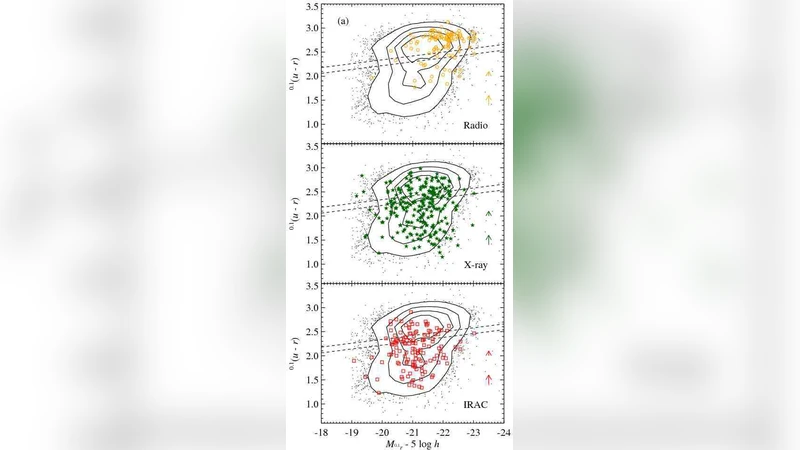
The paper then delves into the demographics of X‑ray selected AGN. Compared with optically or infrared‑selected samples, X‑ray AGN exhibit a higher fraction of obscured sources (N_H > 10²³ cm⁻²), especially in massive host galaxies (stellar mass >10¹¹ M_⊙) and dense environments such as galaxy clusters. This trend supports models in which the growth of SMBHs is intimately linked to the gas supply and dynamical state of their hosts. A key result is the observed dependence of the AGN–star‑formation connection on host mass: in low‑mass galaxies (M_* < 10¹⁰ M_⊙) AGN activity and star formation rates rise together, whereas in high‑mass systems AGN feedback appears to suppress star formation, producing a “quenching” signature that aligns with theoretical expectations of AGN‑driven outflows regulating galaxy growth.
Finally, the authors discuss the prospects offered by forthcoming X‑ray missions. ESA’s Athena and NASA’s Lynx will deliver order‑of‑magnitude improvements in collecting area, spectral resolution, and field‑of‑view. Athena’s X‑IFU will enable high‑resolution spectroscopy of faint, heavily obscured AGN, revealing the physical conditions of the circumnuclear medium and the metal enrichment history of the early Universe. Lynx’s sub‑arcsecond imaging over a large sky area will allow the separation of individual AGN in crowded high‑redshift protoclusters and will dramatically increase the census of SMBHs at z > 6. Together, these missions will fill the current gaps left by Chandra—particularly the incomplete sampling of the most heavily absorbed AGN and the earliest phases of black‑hole growth—thereby providing the statistical power needed to test co‑evolution models of black holes and galaxies with unprecedented precision.
In summary, the paper demonstrates that Chandra’s extragalactic surveys have already resolved the bulk of the CXB, mapped the evolution of AGN luminosity functions, and uncovered critical links between SMBH accretion and galaxy properties. The upcoming generation of X‑ray observatories promises to extend these achievements to the faintest, most distant, and most obscured regimes, opening a new window on the growth of black holes and the assembly of galaxies throughout the history of the Universe.