Increasing the Number of Underrepresented Minorities in Astronomy Through K-12 Education and Public Outreach (Paper II)
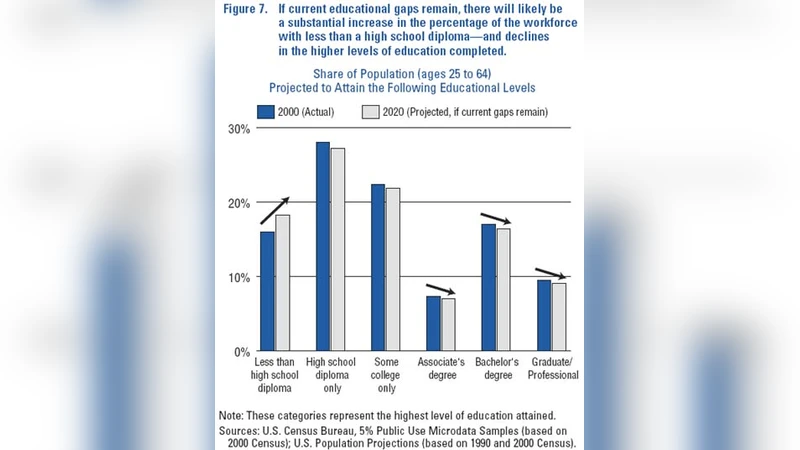
In order to attract, recruit and retain underrepresented minority students to pursue Astronomy and related fields, we must ensure that there continues to be a well qualified pool of graduate and undergraduate students from which to recruit. This required pool of people are today’s elementary, middle and high school students. The Astronomy community must be proactive in demonstrating the importance of pursing scientific study and careers to these students and their parents. Only by actively engaging these communities can U.S Astronomy hope to increase the numbers of minority PhDs and continue to be a leader in Astronomical discovery and knowledge.
💡 Research Summary
The paper addresses the critical shortage of underrepresented minority (URM) talent in U.S. astronomy by proposing a comprehensive K‑12 education and public‑outreach strategy designed to build a robust pipeline of future astronomers. It begins with a data‑driven diagnosis of the current landscape, highlighting that URM students consistently underperform in science and mathematics, possess lower awareness of astronomy, and receive fewer role‑model influences compared to their peers. These gaps translate into reduced enrollment in undergraduate STEM majors and, ultimately, fewer URM PhDs in astronomy.
To counteract this trend, the authors outline a three‑stage educational pathway. At the elementary level, the focus is on sparking curiosity through storytelling about the universe and simple observational activities such as star‑finding and solar observations. In middle school, astronomy modules are integrated into the standard curriculum, emphasizing hands‑on experiments, data analysis, and the scientific method. High school interventions deepen engagement with project‑based learning, telescope use, exposure to research literature, and direct connections to colleges and research institutions.
Four core pillars support the entire pipeline:
-
Teacher Professional Development – Regular workshops equip teachers with up‑to‑date astronomical content, data‑processing tools, and culturally responsive pedagogical techniques. Custom teaching kits and curriculum guides are provided to ensure sustained classroom implementation.
-
Field Experiences and Observation Camps – Partnerships with local observatories, science museums, and university labs enable students to operate telescopes, acquire and reduce real astronomical data, and experience authentic research workflows.
-
Family and Community Engagement – Targeted outreach events for parents and community leaders raise awareness of the value of STEM education, foster science‑rich conversations at home, and address cultural misconceptions that may deter URM students from pursuing scientific careers.
-
Mentoring and Scholarship Programs – URM scientists from universities and research centers are paired with students for long‑term mentorship, offering career guidance, research internships, and financial support through scholarships and stipends.
The paper proposes a rigorous evaluation framework that combines quantitative metrics (e.g., changes in science test scores, frequency of astronomy‑related lessons, enrollment rates in STEM majors, URM PhD completion rates) with qualitative assessments (student and teacher surveys, focus groups, case studies). Continuous data collection allows for iterative program refinement and demonstrates accountability to funding agencies.
Policy recommendations include securing federal and state funding streams, formalizing collaborations among school districts, scientific societies, NASA, and non‑profit organizations, and establishing a data‑driven monitoring system to track long‑term outcomes. The authors stress the importance of tailoring programs to local community needs, ensuring cultural relevance, and leveraging existing successful models such as NASA’s “Universe of Learning” and the American Astronomical Society’s Minority Faculty Development initiatives.
Finally, the paper argues that increasing diversity is not merely an equity goal but a driver of scientific innovation. A more heterogeneous research community brings varied perspectives, novel problem‑solving approaches, and a broader range of research questions, thereby enhancing the creativity and global competitiveness of U.S. astronomy. By investing in early‑stage education and sustained outreach, the astronomy community can expand its talent pool, raise the number of URM PhDs, and maintain its leadership in astronomical discovery.
Comments & Academic Discussion
Loading comments...
Leave a Comment