Educating the Next Generation of Leading Scientists: Turning Ideas into Action
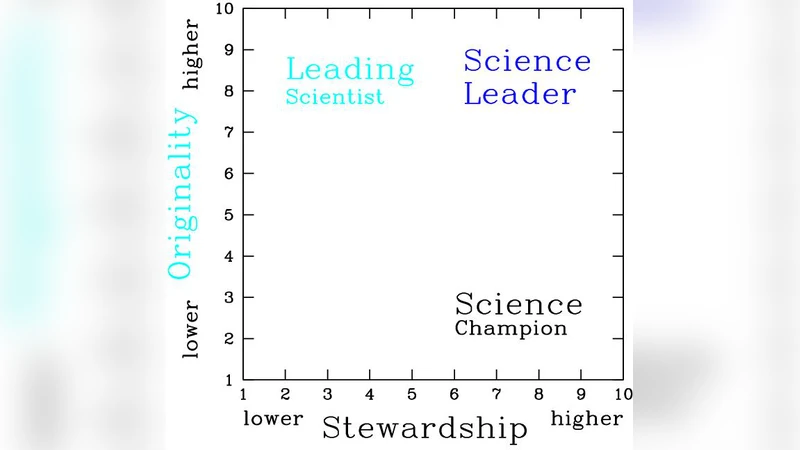
The core of scientific research is turning new ideas into reality. From the school science fair to the search for the secrets of dark energy, high-quality research consists of scientific investigation constrained within the scope of a well-defined project. Large or small, generously funded or just scraping by,scientific projects use time, money, and information to turn ideas into plans, plans into action, and action into results. While we, as a community, do much to educate students in the techniques of research, we do not systematically train students in the nature and organization of scientific projects or in the techniques of project management. We propose a two-pronged attack to address this issue in the next decade. First, to generate a broad base of future scientists who have a basic familiarity with the ideas of projects, we propose that the community develop standards for the content of a project design and management course in astronomy and astrophysics. Second, to train future scientists to assume leadership roles in new investigations in astronomy and astrophysics, we propose that the community develop standards for graduate programs in the area of research project leadership.
💡 Research Summary
The paper argues that turning scientific ideas into tangible results is fundamentally a project‑driven process, yet contemporary education in astronomy and astrophysics focuses almost exclusively on technical research skills—experiment design, data analysis, and paper writing—while neglecting the systematic training needed for project design, planning, execution, and leadership. This gap becomes especially problematic in today’s large‑scale, multi‑institutional endeavors such as next‑generation telescopes, space missions, and dark‑energy surveys, where effective coordination, budgeting, risk management, and team leadership are essential for success.
To address this deficiency, the authors propose a two‑pronged, decade‑long strategy. The first prong targets undergraduate education by establishing a community‑wide standard for a “Project Design and Management” course. The proposed curriculum would cover the full project life‑cycle: defining objectives, gathering requirements, constructing a work‑breakdown structure, scheduling (e.g., Gantt charts), allocating resources, budgeting, risk assessment, ethical and safety considerations, and communication planning. The authors recommend that professional societies (e.g., the AAS, IAU) develop a common textbook, a set of learning outcomes, and a rubric for assessment, ensuring that every student, regardless of institution, gains a baseline fluency in project terminology and tools. Hands‑on team projects that mimic real research proposals would be mandatory, providing immediate feedback and reinforcing the link between scientific ideas and actionable plans.
The second prong focuses on graduate training, calling for the creation of a “Research Project Leadership” track or specialization within Ph.D. programs. This track would integrate traditional deep‑domain research with formal instruction in leadership, strategic vision, conflict resolution, multi‑disciplinary collaboration, policy and funding landscapes, and modern project‑management methodologies such as Agile and Earned Value Management. The curriculum would also include metrics for performance (KPIs), risk‑mitigation frameworks, and science communication skills. To ensure relevance and rigor, the authors suggest joint mentorship arrangements involving faculty, industry experts, and representatives from national labs or space agencies, as well as a certification system overseen by an international committee that could accredit programs meeting the agreed standards.
Implementation challenges are acknowledged: resistance from departments accustomed to existing curricula, a shortage of faculty with formal project‑management expertise, and the need for objective evaluation metrics. The paper proposes a phased rollout beginning with pilot programs at a handful of institutions, systematic collection of outcome data (student satisfaction, proposal success rates, post‑graduation leadership positions), and iterative refinement of the standards. Funding agencies could be enlisted to incentivize adoption by tying grant eligibility to participation in the standardized training.
If successfully adopted, the authors anticipate several benefits. Undergraduate students would graduate with the ability to write coherent project proposals and to function effectively in collaborative teams, reducing the learning curve for entry‑level research positions. Graduate students would be prepared to lead large consortia, manage budgets, and navigate the complex administrative environment of modern astronomy, thereby increasing the efficiency and impact of big‑science projects. Moreover, a globally harmonized training framework would create a more uniform talent pool, enhancing international cooperation and accelerating scientific discovery.
In summary, the paper makes a compelling case that systematic project‑management and leadership education should be embedded alongside technical training in astronomy and astrophysics. By establishing community‑driven standards for both undergraduate and graduate curricula, the discipline can better equip the next generation of scientists to transform innovative ideas into concrete, high‑impact research outcomes.
Comments & Academic Discussion
Loading comments...
Leave a Comment