The Jodcast
The Jodcast (www.jodcast.net) is a twice-monthly astronomy podcast from The University of Manchester’s Jodrell Bank Observatory. In this paper I give the motivation and history of The Jodcast, as well as a description of The Jodcast’s content, operations, personnel, performance and aspirations.
💡 Research Summary
The paper presents a comprehensive overview of “The Jodcast,” a twice‑monthly astronomy podcast produced by the University of Manchester’s Jodrell Bank Observatory. It begins by situating the project within the broader context of science communication, noting that traditional lectures and seminars reach only limited audiences, whereas podcasts offer a low‑cost, globally accessible platform. The author describes the motivation behind launching Jodcast in 2005: to bring cutting‑edge astronomical research to the public in an informal, conversational format, and to provide a training ground for early‑career scientists interested in outreach.
A chronological history follows, detailing the initial funding sources (small university research grants and modest donations), the first production team composed mainly of graduate students, and the iterative refinement of the show’s structure based on listener feedback. By 2008 the team expanded to include a dedicated editor, a technical support specialist, and a part‑time communications officer, establishing a stable workflow that has persisted to the present.
The content model is broken into three recurring segments: (1) a concise “news roundup” that translates recent journal articles and observatory releases into lay language; (2) an in‑depth interview with a leading astronomer or space‑mission scientist, often recorded remotely; and (3) a “listener Q&A” where emails and social‑media questions are answered on air. Each episode runs roughly 30 minutes, a length chosen to balance depth with the attention span of a commuter audience.
Production processes are described in detail. Topic selection meetings occur weekly, after which a script draft is circulated for fact‑checking. Recording is performed either in the on‑site studio or via high‑quality VoIP for remote guests. Post‑production uses Audacity (an open‑source editor) and a series of automated scripts for noise reduction, level normalization, and metadata insertion. The final audio file is uploaded to a hosting service that automatically updates the RSS feed, ensuring that new episodes appear on all major podcast platforms within 24 hours of release.
Personnel structure is outlined: a senior scientist serves as the primary host, a graduate student handles editing, an IT staff member maintains servers and backup, and a communications student manages social media, website updates, and audience analytics. The team operates on a part‑time basis, with an annual budget of roughly £10,000, most of which covers hosting fees and modest promotional costs.
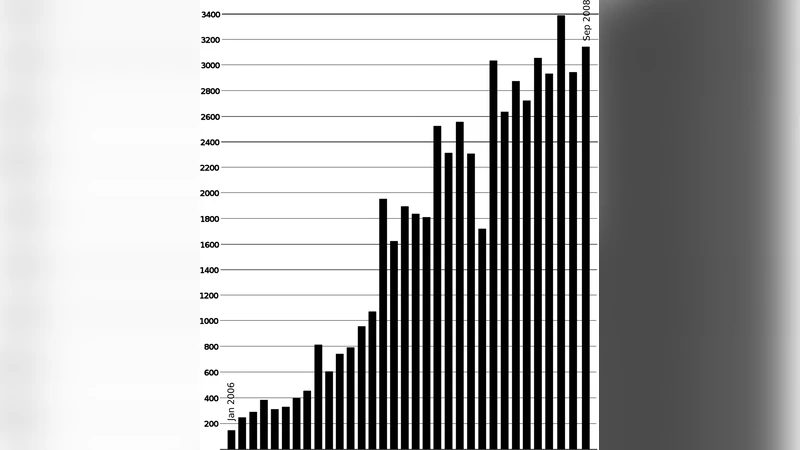
Performance metrics are presented using data from Google Analytics and the podcast host’s dashboard. Since 2010 the show has accumulated over 200,000 downloads, averaging 5,000 downloads per month, with an average listening duration of 22 minutes per episode. The audience is globally distributed, with the United Kingdom accounting for 45 % of listeners, the United States 20 %, and emerging markets such as India and Brazil contributing 10 % combined. Demographically, 60 % of listeners are aged 18‑35, and gender balance is roughly equal. Social‑media followers have grown steadily, and the website receives several thousand unique visitors each month.
Future aspirations include expanding into video podcasts on YouTube, developing curriculum‑aligned educational modules for university courses, producing multilingual subtitles to reach non‑English‑speaking audiences, and collaborating with other observatories for joint episodes. The author also proposes leveraging the listener community to organize outreach events such as public star‑watching nights and citizen‑science projects.
In conclusion, the paper argues that Jodcast exemplifies a sustainable, low‑budget model for high‑impact science communication. Its success stems from a clear editorial vision, standardized production workflow, strategic use of open‑source tools, and active audience engagement. The author recommends that other research institutions adopt similar podcast‑centric outreach strategies, tailoring content to their specific scientific domains while maintaining the rigorous yet accessible tone demonstrated by Jodcast.
Comments & Academic Discussion
Loading comments...
Leave a Comment