Expert Software for the Determination of Juvenile Peoples Obesity
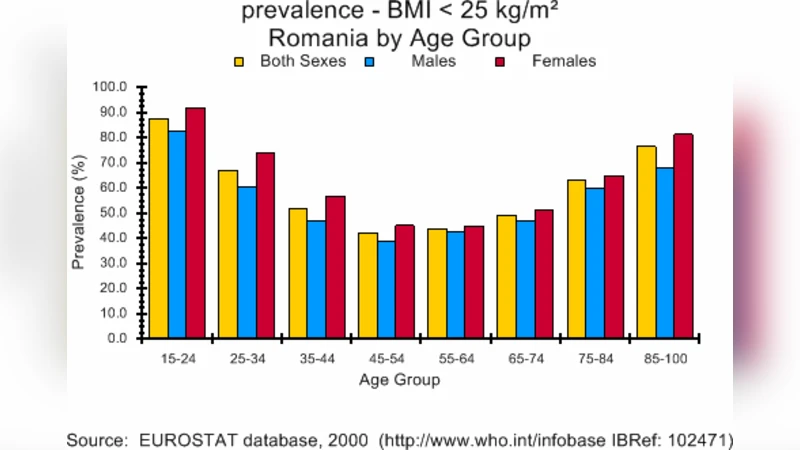
Keeping the health condition at the juvenile population is the concern of both the medical staff and the physical education teachers. Considering the steady tendency of the growth of the number of the youth with excessive weight (overweighted or obese) the intervention to combat this phenomenon must be initiated in the early stage when this condition occurs. The screening method for evaluating the body weight presented in this study uses a calculus program through which, based on the input data (age, sex, weight the width of the skin fold) an evaluation regarding each juvenile’s weight and the body structure can be done. This program can be used in schools, high schools, universities, to signal the weight excess and to appreciate the intervention results for getting a normal weight.
💡 Research Summary
The paper addresses the growing public‑health challenge of excess weight among children and adolescents by presenting a software tool that automatically evaluates body composition and flags obesity risk. Recognizing that body‑mass index (BMI) alone is insufficient for distinguishing fat from lean mass, the authors incorporate skinfold thickness measurements—an established, non‑invasive proxy for subcutaneous fat—into a calculation engine that also uses age, sex, and body weight.
The methodological core follows the classic Jackson‑Pollock (or related) equations. First, the sum of the measured skinfold sites is entered; the program selects sex‑ and age‑specific constants (a and b) and computes body density (D) using the logarithmic relationship D = a – b·log(Σ skinfold). Second, the Siri‑Brozek conversion translates density into percent body fat: % fat = (495/D) – 450. By embedding these formulas in a user‑friendly interface, the software requires only four inputs—chronological age (years), sex (male/female), weight (kg), and skinfold sum (mm)—and instantly returns body density, estimated body fat percentage, and a categorical obesity classification based on WHO growth‑chart percentiles.
A demonstration case illustrates the workflow: a 14‑year‑old male weighing 68 kg with a skinfold sum of 30 mm yields a density of 1.050 g/cm³, an estimated body fat of 18 %, and is classified as “normal weight.” The authors provide additional examples to show how the same age and sex but different skinfold sums lead to divergent risk assessments, underscoring the tool’s sensitivity to actual adiposity rather than merely to body mass.
The discussion emphasizes the practical advantages for schools, high schools, and universities. Physical‑education teachers or school nurses can perform rapid screenings without needing complex calculations or expensive equipment. Immediate feedback enables timely interventions—dietary counseling, structured exercise programs, or referrals to health professionals—potentially curbing the progression from overweight to obesity.
However, the authors acknowledge several limitations. The software’s algorithm has not yet been validated against gold‑standard body‑composition methods such as dual‑energy X‑ray absorptiometry (DXA) or bioelectrical impedance analysis (BIA). Skinfold measurement is operator‑dependent; inter‑rater variability can introduce significant error if proper training is lacking. The current prototype appears to be a desktop calculator with no explicit mention of platform compatibility, data‑validation checks (e.g., unit mismatches), or secure data storage, raising concerns about usability in diverse school IT environments and compliance with privacy regulations.
Future work outlined in the paper includes: (1) conducting large‑scale validation studies across different ethnicities and age brackets to refine the constants and confirm accuracy; (2) developing a web‑ or mobile‑based application with built‑in error checking, automatic unit conversion, and graphical output; (3) creating a standardized training module for skinfold measurement to reduce observer bias; and (4) implementing encryption and anonymization protocols to protect student health information.
In conclusion, the proposed expert software offers a promising, low‑cost solution for early detection of adolescent obesity, bridging the gap between simple BMI screening and more sophisticated, resource‑intensive methods. If the suggested validation, user‑interface enhancements, and data‑security measures are realized, the tool could become an integral component of school‑based health monitoring programs, contributing to early intervention, reduced long‑term health costs, and improved population health outcomes.
Comments & Academic Discussion
Loading comments...
Leave a Comment