Algorithmic complexity and randomness in elastic solids
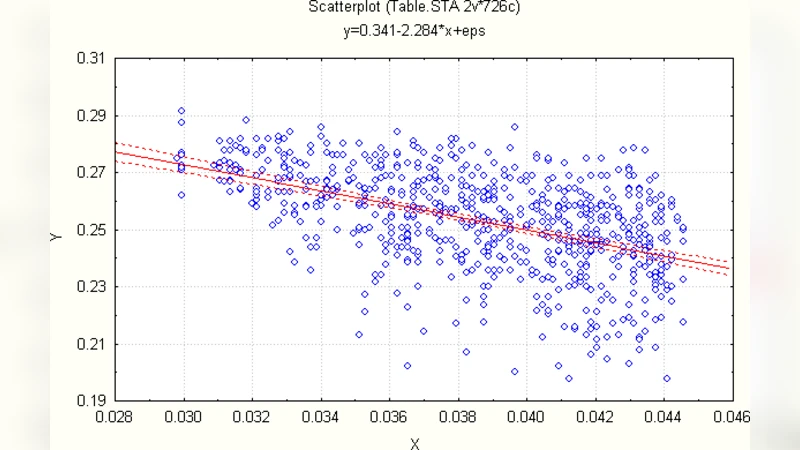
A system comprised of an elastic solid and its response to an external random force sequence is shown to behave based on the principles of the theory of algorithmic complexity and randomness. The solid distorts the randomness of an input force sequence in a way proportional to its algorithmic complexity. We demonstrate this by numerical analysis of a one-dimensional vibrating elastic solid (the system) on which we apply a maximally random input force. The level of complexity of the system is controlled via external parameters. The output response is the field of displacements observed at several positions on the body. The algorithmic complexity and stochasticity of the resulting output displacement sequence is measured and compared against the complexity of the system. The results show that the higher the system complexity the more random-deficient the output sequence. This agrees with the theory introduced in [16] which states that physical systems such as this behave as algorithmic selection-rules which act on random actions in their surroundings.
💡 Research Summary
The paper investigates how an elastic solid, when subjected to a maximally random external force sequence, modifies the randomness of that input in a manner that depends on the solid’s algorithmic complexity. Building on the theoretical framework introduced in reference
Comments & Academic Discussion
Loading comments...
Leave a Comment