Correctness is not enough
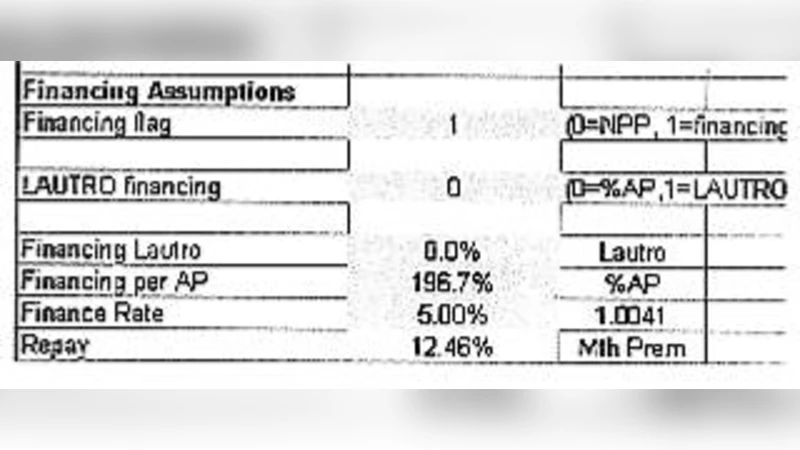
The usual aim of spreadsheet audit is to verify correctness. There are two problems with this: first, it is often difficult to tell whether the spreadsheets in question are correct, and second, even if they are, they may still give the wrong results. These problems are explained in this paper, which presents the key criteria for judging a spreadsheet and discusses how those criteria can be achieved
💡 Research Summary
The paper challenges the conventional focus of spreadsheet auditing, which has traditionally been limited to verifying the “correctness” of a model. The authors argue that this narrow aim suffers from two fundamental problems. First, determining whether a spreadsheet is truly correct is often difficult because spreadsheets frequently embed complex business logic, external data links, user‑defined functions, and multi‑layered decision flows. Simple cell‑by‑cell formula checks cannot capture hidden assumptions, implicit data constraints, or the impact of inter‑cell dependencies. Consequently, a model may appear mathematically sound while actually misrepresenting the intended business process.
Second, even a mathematically correct spreadsheet can still produce misleading results. This can happen when users misinterpret outputs, apply the model in contexts for which it was not designed, or when the model fails to adapt to changing business conditions. In such cases the spreadsheet is “correct but not reliable,” leading to poor decisions and increased organizational risk.
To address these shortcomings, the authors propose four key evaluation criteria that go beyond raw correctness:
-
Clarity – The structure, data flow, and purpose of each cell should be immediately understandable. This requires thorough documentation, meaningful cell naming, and explicit annotation of assumptions.
-
Maintainability – The model should be modular, with minimal duplication, and designed so that updates can be made with low risk of side‑effects. A clear separation of input, calculation, and output zones is essential.
-
Verifiability – Auditors need automated testing, regression suites, and version‑control mechanisms to continuously confirm that changes do not break existing logic.
-
Decision Relevance – The spreadsheet must align with the actual decision‑making context, delivering the right key performance indicators (KPIs) and scenario analyses, and presenting results in a form that stakeholders can readily interpret.
The paper details concrete practices for achieving these criteria. Hierarchical design separates inputs, calculations, and outputs into distinct worksheets or clearly demarcated sections, reducing accidental overwrites. Naming conventions (e.g., Revenue_Q1, TaxRate) and named ranges improve readability and make formulas self‑documenting. Data‑validation rules (drop‑downs, range checks, error messages) guard against invalid user entries.
A central element is automated regression testing. Test sheets store expected results for critical calculations; after any modification, the actual outputs are compared against these baselines, instantly flagging deviations. This moves auditing from a one‑off error hunt to a continuous verification process.
Version control, whether through external tools like Git or built‑in spreadsheet history features, provides an audit trail of who changed what and when, enabling rollback and accountability.
The authors illustrate the approach with a case study of a financial forecasting model that had previously passed traditional audits. The model assumed a fixed interest rate, an assumption that became invalid when market rates shifted, leading to an over‑optimistic investment recommendation. By re‑architecting the model according to the four criteria—adding clear assumptions, modularizing the interest‑rate calculation, implementing regression tests for sensitivity scenarios, and documenting the decision context—the organization was able to detect the flaw early and avoid costly misallocation of capital.
In conclusion, the paper calls for a paradigm shift in spreadsheet auditing from a sole focus on “correctness” to a broader emphasis on robustness and trustworthiness. Auditors must evaluate not only whether formulas are mathematically accurate, but also whether the model is well‑documented, maintainable, testable, and aligned with real‑world decision needs. Adopting this comprehensive framework transforms spreadsheets from fragile calculation tools into reliable decision‑support systems, thereby reducing risk and improving the quality of organizational decisions.
Comments & Academic Discussion
Loading comments...
Leave a Comment