Energy Realpolitik: Towards a Sustainable Energy Strategy
A long-term strategy based on existing technological, ecological, economical, and geopolitical realities is urgently needed to develop a sustainable energy economy, which should be designed with adaptability to unpredicted changes in any of these aspects. While only a highly diverse energy portfolio and conservation can ultimately guarantee optimum sustainability, based on a comparison of current primary energy generation methods, it is argued that future energy strategy has to rely heavily on expanded coal and nuclear energy sectors. A comparison of relative potentials, merits and risks associated with fossil-fuel, renewable, and nuclear technologies suggests that the balance of technologies should be shifted in favor of new-generation, safe nuclear methods to produce electricity, while clean-coal plants should be assigned to transportation fuel. Novel nuclear technologies exploit fission of uranium and thorium as primary energy sources with fast-spectrum and transmutation (burner) reactors. A closed fuel cycle and waste transmutation resolve the strategic issues associated with nuclear power. Innovative reactor designs utilize spallation of heavy metals in subcritical accelerator driven systems or molten-salt reactors. Importation and reconstruction of technical expertise already lost and aversion of further erosion are preconditions to any successful energy strategy. Research opportunities to perfect innovative nuclear, coal, and renewable energy technologies should be pursued.
💡 Research Summary
The paper “Energy Realpolitik: Towards a Sustainable Energy Strategy” argues that a pragmatic, long‑term energy plan must be built on the existing technological, ecological, economic and geopolitical realities, while remaining flexible enough to absorb unforeseen changes. The author begins by noting that global primary‑energy demand is projected to rise from today’s ~12 TW to more than 45 TW by mid‑century, driven by population growth, rising living standards and intensified competition for energy resources. Meeting such demand with a purely renewable mix (wind, solar, hydro, geothermal, bio‑mass, hydrogen) is deemed unrealistic in the near term because of high capital costs, insufficient grid‑scale storage, intermittency, and the need for massive upgrades to transmission infrastructure that are not yet feasible.
Consequently, the author proposes a three‑pronged strategy: (1) a highly diversified energy portfolio combined with aggressive conservation; (2) heavy reliance on expanded coal and nuclear sectors in the medium term (10–20 years); and (3) sustained research and development of next‑generation nuclear technologies and “clean‑coal” processes. The paper outlines six criteria that any primary‑energy source should satisfy: (i) currently accessible and economically viable; (ii) compatible with existing distribution networks; (iii) capable of delivering steady baseload power; (iv) safe in production and use; (v) adaptable to varying fuel demands; and (vi) low pollutant emissions. Coal and nuclear technologies best meet these criteria today.
Coal – “Clean Coal” for Transportation Fuel
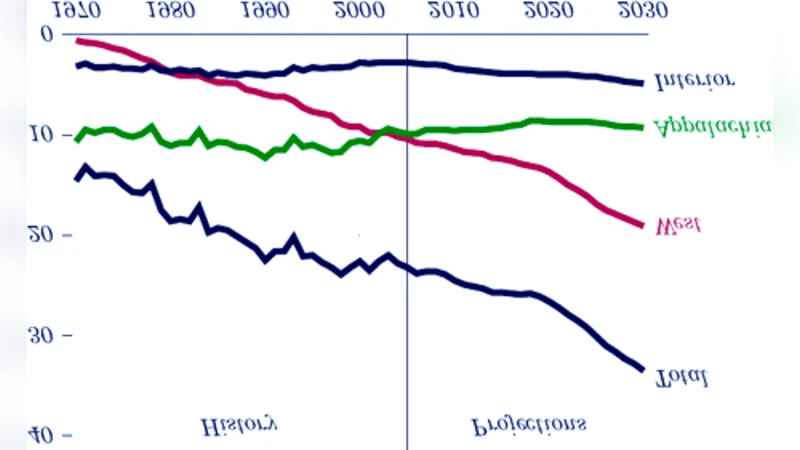
The author argues that abundant coal reserves, especially in the United States (e.g., the Great Appalachian coal bed), can be leveraged through high‑efficiency, low‑carbon “clean‑coal” plants that incorporate advanced gasification, carbon‑capture‑and‑storage (CCS), and synthesis of liquid fuels (e.g., FT‑derived diesel). By converting coal to high‑energy‑density liquid fuels, the transportation sector can remain fuel‑secure while avoiding the volatility of oil markets. The paper acknowledges that CCS remains expensive and that large‑scale deployment would require substantial policy incentives and regulatory frameworks.
Nuclear – The Core of the Baseline
Current nuclear power already supplies roughly 20 % of global electricity. The author contends that expanding nuclear to 30 % or more within the next two decades is essential for baseload stability and carbon‑free electricity. However, conventional light‑water reactors (LWRs) are limited by fuel utilization, waste generation, and public acceptance. Therefore, the paper promotes “new‑generation, safe nuclear methods”:
- Fast‑spectrum burner reactors that use uranium or thorium and achieve high burn‑up, reducing the amount of long‑lived transuranics.
- Accelerator‑Driven Subcritical Systems (ADS) that employ a spallation neutron source to keep the reactor subcritical, enhancing inherent safety and allowing the burning of actinides.
- Molten‑Salt Reactors (MSR) that operate with liquid fuel, enabling continuous re‑processing, high thermal efficiency, and the possibility of using thorium‑based fuel cycles.
These designs aim to close the fuel cycle, transmute waste, and dramatically improve resource utilization. The paper stresses that thorium, being more abundant and producing fewer long‑lived isotopes, could become a strategic asset if the supporting technology matures.
Renewables – Complementary, Not Primary
Renewable technologies are praised for their environmental benefits, but the author argues they remain “technologically immature” for large‑scale baseload provision. The intermittency of wind and solar, the current cost of utility‑scale storage, and the limited scalability of bio‑energy are cited as barriers. Consequently, renewables should be pursued as a secondary, complementary source that can be integrated once the core coal‑nuclear backbone is secure.
Policy and Societal Recommendations
The paper stresses that successful implementation requires (a) reconstruction of lost technical expertise in advanced nuclear and clean‑coal engineering; (b) substantial public‑sector R&D funding for fast reactors, ADS, MSR, and CCS; (c) clear commercialization roadmaps for waste transmutation and fuel‑recycling facilities; (d) regulatory reforms that recognize the safety advantages of subcritical and molten‑salt designs; and (e) transparent communication strategies to counteract media‑driven fear of radiation and nuclear accidents.
Critical Assessment
While the argument for a pragmatic mix is compelling, several weaknesses are evident. The feasibility of “clean‑coal” at scale remains unproven; CCS costs are high and carbon‑capture efficiency is still below the levels needed for deep decarbonization. The advanced nuclear concepts, though scientifically promising, are largely at prototype or demonstration stages, with unresolved issues in materials science, licensing, and economic competitiveness. Moreover, the paper’s dismissal of renewables underestimates the rapid cost declines in battery storage, grid‑scale hydrogen, and power‑to‑gas technologies that could enable higher renewable penetration within the next decade.
Conclusion
The author concludes that a realistic, “Realpolitik” energy strategy must first secure baseload power and energy independence using existing coal and nuclear assets, while simultaneously investing in next‑generation nuclear reactors and clean‑coal processes. Renewable energy, once technologically mature, will augment this backbone. By aligning policy, industry, and research around this diversified, adaptable portfolio, the paper claims the world can achieve a sustainable, low‑carbon energy economy without sacrificing reliability or economic growth.
Comments & Academic Discussion
Loading comments...
Leave a Comment