Conformational equilibria in monomeric alpha-synuclein at the single molecule level
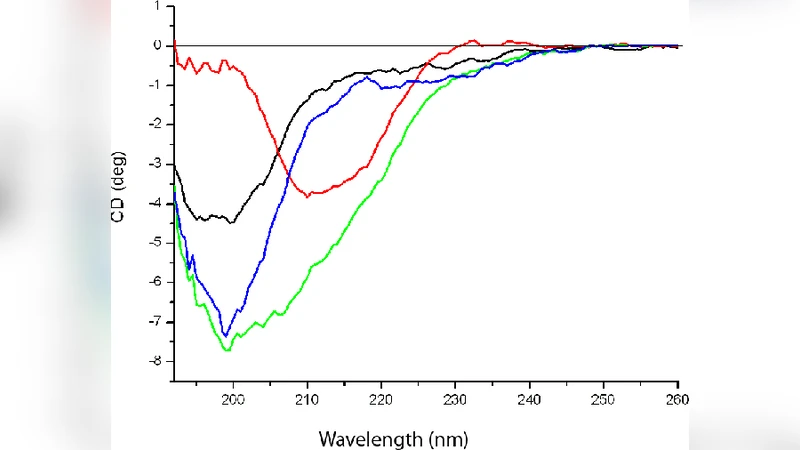
Natively unstructured proteins defy the classical “one sequence-one structure” paradigm of protein science. Monomers of these proteins in pathological conditions can aggregate in the cell, a process that underlies socially relevant neurodegenerative diseases such as Alzheimer and Parkinson. A full comprehension of the formation and structure of the so-called misfolded intermediates from which the aggregated states ensue is still lacking. We characterized the folding and the conformational diversity of alpha-synuclein (aSyn), a natively unstructured protein involved in Parkinson disease, by mechanically stretching single molecules of this protein and recording their mechanical properties. These experiments permitted us to directly observe directly and quantify three main classes of conformations that, under in vitro physiological conditions, exist simultaneously in the aSyn sample, including disordered and “beta-like” structures. We found that this class of “beta-like” structures is directly related to aSyn aggregation. In fact, their relative abundance increases drastically in three different conditions known to promote the formation of aSyn fibrils: the presence of Cu2+, the occurrence of the pathogenic A30P mutation, and high ionic strength. We expect that a critical concentration of aSyn with a “beta-like” structure must be reached to trigger fibril formation. This critical concentration is therefore controlled by a chemical equilibrium. Novel pharmacological strategies can now be tailored to act upstream, before the aggregation process ensues, by targeting this equilibrium. To this end, Single Molecule Force Spectroscopy can be an effective tool to tailor and test new pharmacological agents.
💡 Research Summary
Alpha‑synuclein (aSyn) is a natively unstructured protein whose aggregation into amyloid fibrils underlies the pathology of Parkinson’s disease and related neurodegenerative disorders. While it is well established that misfolded intermediates precede fibril formation, the structural nature of these intermediates and the physicochemical factors that shift the monomeric population toward aggregation‑prone conformations have remained elusive. In this study, the authors employed Single‑Molecule Force Spectroscopy (SMFS) using an atomic force microscope to mechanically stretch individual aSyn molecules and record force‑extension curves that report on the protein’s internal structure. By analyzing the characteristic force peaks, they identified three distinct conformational classes that coexist in aSyn samples under physiological‑like buffer conditions (20 mM HEPES, pH 7.4, 150 mM NaCl): (i) a fully disordered state with a linear, featureless force profile; (ii) a “beta‑like” state that displays a reproducible force plateau of ~30–40 pN at a defined extension, indicative of a transient β‑sheet segment resisting mechanical unfolding; and (iii) an intermediate state that shows mixed features of the first two. Quantitatively, the beta‑like conformation accounts for roughly 10 % of the population in wild‑type aSyn under baseline conditions. The authors then perturbed the system with three well‑known aggregation promoters: (a) addition of Cu²⁺ ions (100 µM), (b) introduction of the pathogenic A30P point mutation, and (c) elevation of ionic strength to 500 mM NaCl. In each case, the proportion of beta‑like molecules increased dramatically—to ~30 % with Cu²⁺, ~35 % with A30P, and ~40 % under high salt—demonstrating that these factors shift the conformational equilibrium toward the aggregation‑competent state. The authors propose that a critical concentration of beta‑like monomers must be reached before nucleation of fibrils can proceed, and that this critical concentration is governed by a chemical equilibrium constant (K_eq) that is modulated by metal ions, mutations, and ionic strength. Consequently, therapeutic strategies that lower K_eq (i.e., destabilize the beta‑like conformation) could prevent the downstream aggregation cascade. Importantly, SMFS provides a direct, high‑resolution read‑out of the monomeric conformational ensemble, making it a powerful platform for screening small molecules that either bind to and stabilize the disordered state or specifically inhibit β‑sheet formation. The study acknowledges limitations: the experiments are performed in simplified in‑vitro buffers that lack cellular crowding, chaperones, and membrane interactions, and the mechanical stretching protocol captures only a subset of the dynamic conformational landscape. Future work is suggested to integrate SMFS with cellular contexts, perhaps via micro‑fluidic devices or in‑cell AFM, to validate the relevance of the identified beta‑like species in vivo. In summary, this paper delivers the first single‑molecule evidence that alpha‑synuclein exists as a heterogeneous mixture of conformers, that disease‑related conditions enrich a β‑sheet‑like subpopulation, and that modulating the equilibrium of this subpopulation offers a rational avenue for early‑stage therapeutic intervention.
Comments & Academic Discussion
Loading comments...
Leave a Comment