KOINEU Logo
๋ฌด์„ ์ฃผํŒŒ์ˆ˜ ๋ผ๋””์–ธ์Šคํ•„๋“œ ๊ธฐ๋ฐ˜ ์‚ฌ์ „ํ•™์Šต์œผ๋กœ ์‹ค๋‚ด ์œ„์น˜์ถ”์ • ์ผ๋ฐ˜ํ™” ํ˜์‹ 

๋ฌด์„ ์ฃผํŒŒ์ˆ˜ ๋ผ๋””์–ธ์Šคํ•„๋“œ ๊ธฐ๋ฐ˜ ์‚ฌ์ „ํ•™์Šต์œผ๋กœ ์‹ค๋‚ด ์œ„์น˜์ถ”์ • ์ผ๋ฐ˜ํ™” ํ˜์‹ 

Radio frequency (RF)-based indoor localization offers significant promise for applications such as indoor navigation, augmented reality, and pervasive computing. While deep learning has greatly enhanced localization accuracy and robustness, existing

๋ฌผ๋ฆฌํ•™์—์„œ ๊ฒฐ์ •๋ก ๊ณผ ๋น„๊ฒฐ์ •๋ก ์˜ ํ‘œ์ƒ์  ๋Œ€๋ฆฝ๊ณผ ๋ชจ๋ธ ๋ถˆ๋ณ€์„ฑ ๊ธฐ๋ฐ˜ ๊ตฌ์กฐ ์‹ค์žฌ๋ก 

๋ฌผ๋ฆฌํ•™์—์„œ ๊ฒฐ์ •๋ก ๊ณผ ๋น„๊ฒฐ์ •๋ก ์˜ ํ‘œ์ƒ์  ๋Œ€๋ฆฝ๊ณผ ๋ชจ๋ธ ๋ถˆ๋ณ€์„ฑ ๊ธฐ๋ฐ˜ ๊ตฌ์กฐ ์‹ค์žฌ๋ก 

This paper argues that the traditional opposition between determinism and indeterminism in physics is representational rather than ontological. Deterministic-stochastic dualities are available in principle, and arise in a non-contrived way in many sc

๋ฐฉ์‚ฌ์„  ๊ธฐ์ดˆ ๋ชจ๋ธ Pillar0 ๋Œ€๊ทœ๋ชจ CT MRI ์‚ฌ์ „ํ•™์Šต๊ณผ RATE ๋ผ๋ฒจ๋ง ํ”„๋ ˆ์ž„์›Œํฌ๋ฅผ ํ†ตํ•œ ์ž„์ƒ ์„ฑ๋Šฅ ํ˜์‹ 

๋ฐฉ์‚ฌ์„  ๊ธฐ์ดˆ ๋ชจ๋ธ Pillar0 ๋Œ€๊ทœ๋ชจ CT MRI ์‚ฌ์ „ํ•™์Šต๊ณผ RATE ๋ผ๋ฒจ๋ง ํ”„๋ ˆ์ž„์›Œํฌ๋ฅผ ํ†ตํ•œ ์ž„์ƒ ์„ฑ๋Šฅ ํ˜์‹ 

Radiology plays an integral role in modern medicine, yet rising imaging volumes have far outpaced workforce growth, contributing to burnout and challenges in care delivery. Foundation models offer a path toward assisting with the full spectrum of rad

๋ฒ•๋ฅ  ๋ถ„์•ผ LLM ์„ฑ๋Šฅ ํ–ฅ์ƒ์„ ์œ„ํ•œ ๋ฌธ์„œ ๊ตฌ์กฐ ์žฌ๋ฐฐ์น˜์™€ ์—ญํ•  ๊ธฐ๋ฐ˜ ํ”„๋กฌํ”„ํŠธ ์—ฐ๊ตฌ

๋ฒ•๋ฅ  ๋ถ„์•ผ LLM ์„ฑ๋Šฅ ํ–ฅ์ƒ์„ ์œ„ํ•œ ๋ฌธ์„œ ๊ตฌ์กฐ ์žฌ๋ฐฐ์น˜์™€ ์—ญํ•  ๊ธฐ๋ฐ˜ ํ”„๋กฌํ”„ํŠธ ์—ฐ๊ตฌ

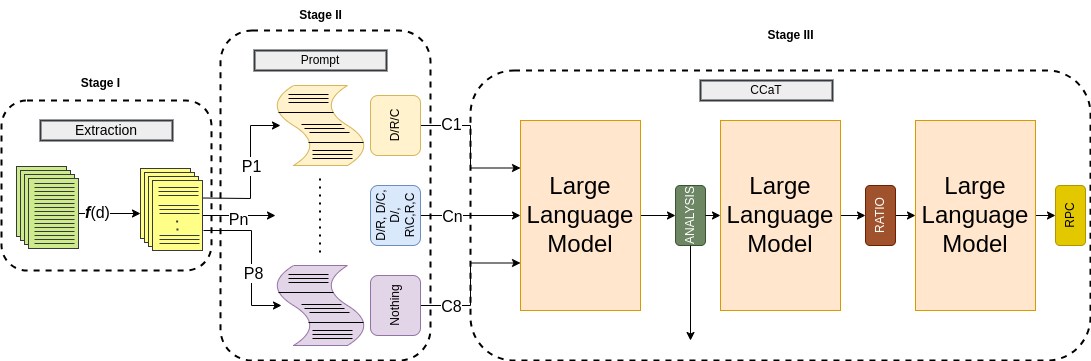
Large Language Models (LLMs), trained on extensive datasets from the web, exhibit remarkable general reasoning skills. Despite this, they often struggle in specialized areas like law, mainly because they lack domain-specific pretraining. The legal fi

์‚ฌ์šฉ์ž ์ง€์‹œ ๊ธฐ๋ฐ˜ ํ™•์‚ฐ ํŠธ๋žœ์Šคํฌ๋จธ๋ฅผ ํ™œ์šฉํ•œ ๋‹ค์ค‘๋ชจ๋‹ฌ ์ด๋ฏธ์ง€ ์œตํ•ฉ ํ”„๋ ˆ์ž„์›Œํฌ

์‚ฌ์šฉ์ž ์ง€์‹œ ๊ธฐ๋ฐ˜ ํ™•์‚ฐ ํŠธ๋žœ์Šคํฌ๋จธ๋ฅผ ํ™œ์šฉํ•œ ๋‹ค์ค‘๋ชจ๋‹ฌ ์ด๋ฏธ์ง€ ์œตํ•ฉ ํ”„๋ ˆ์ž„์›Œํฌ

Image fusion aims to blend complementary information from multiple sensing modalities, yet existing approaches remain limited in robustness, adaptability, and controllability. Most current fusion networks are tailored to specific tasks and lack the a

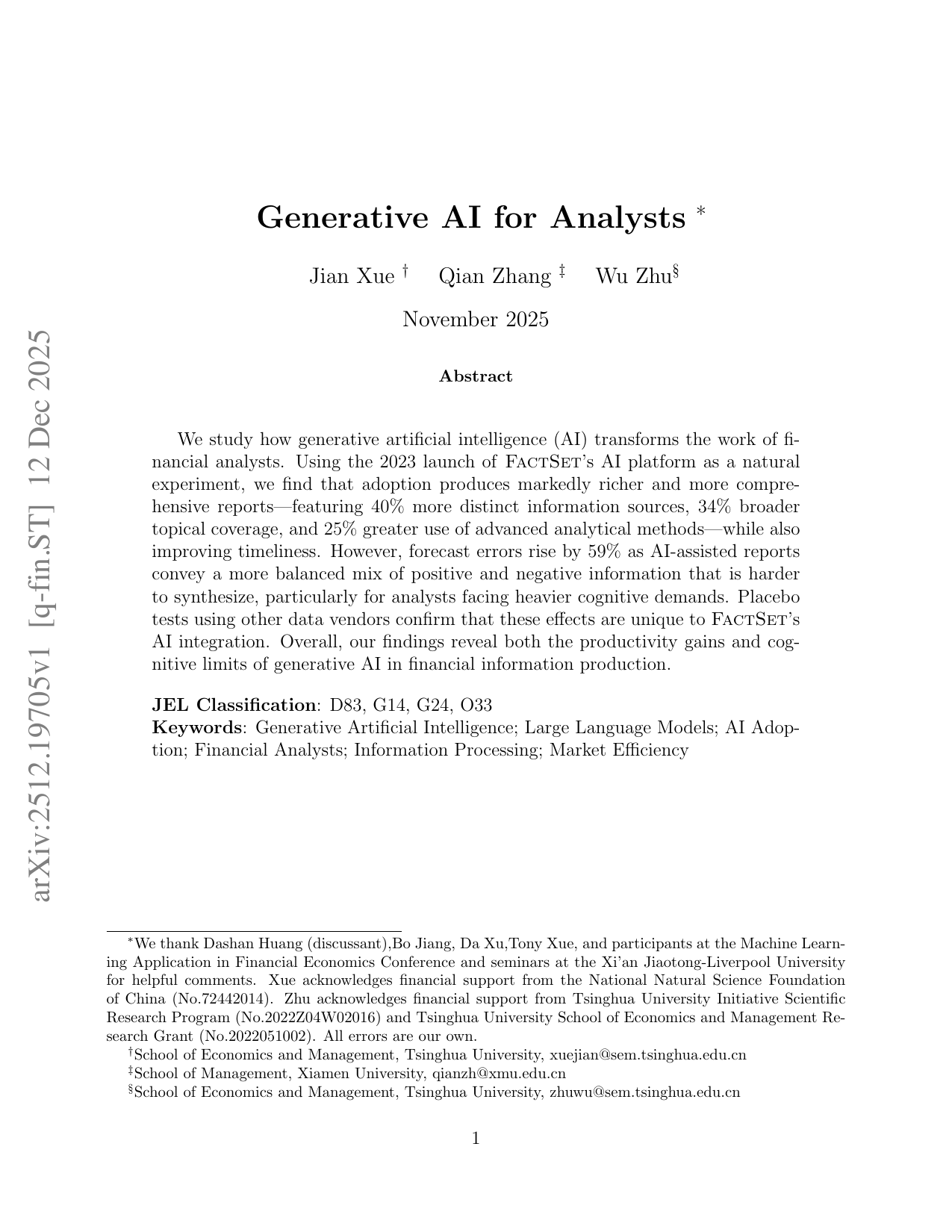
์ƒ์„ฑํ˜• AI๊ฐ€ ๊ธˆ์œต ์• ๋„๋ฆฌ์ŠคํŠธ ๋ณด๊ณ ์„œ์— ๋ฏธ์น˜๋Š” ์ƒ์‚ฐ์„ฑยท์ •ํ™•๋„ ์–‘๋ฉด ํšจ๊ณผ

์ƒ์„ฑํ˜• AI๊ฐ€ ๊ธˆ์œต ์• ๋„๋ฆฌ์ŠคํŠธ ๋ณด๊ณ ์„œ์— ๋ฏธ์น˜๋Š” ์ƒ์‚ฐ์„ฑยท์ •ํ™•๋„ ์–‘๋ฉด ํšจ๊ณผ

We study how generative artificial intelligence (AI) transforms the work of financial analysts. Using the 2023 launch of FactSet's AI platform as a natural experiment, we find that adoption produces markedly richer and more comprehensive reports-feat

์Šค๋งˆํŠธ ํ™ˆ ๊ธฐ๋ฐ˜ ์š”๋กœ๊ฐ์—ผ ์กฐ๊ธฐ ํƒ์ง€๋ฅผ ์œ„ํ•œ ๋ถˆํ™•์‹ค์„ฑ ์ธ์‹ ์ž„์ƒ ์ง€์› ์‹œ์Šคํ…œ

์Šค๋งˆํŠธ ํ™ˆ ๊ธฐ๋ฐ˜ ์š”๋กœ๊ฐ์—ผ ์กฐ๊ธฐ ํƒ์ง€๋ฅผ ์œ„ํ•œ ๋ถˆํ™•์‹ค์„ฑ ์ธ์‹ ์ž„์ƒ ์ง€์› ์‹œ์Šคํ…œ

Urinary tract infection (UTI) flare-ups pose a significant health risk for older adults with chronic conditions. These infections often go unnoticed until they become severe, making early detection through innovative smart home technologies crucial.

์Šคํƒ ํฌ๋“œ ์ˆ˜๋ฉด ๋ฒค์น˜๋งˆํฌ ๋Œ€๊ทœ๋ชจ PSG ๋ฐ์ดํ„ฐ์™€ ์ž๊ธฐ์ง€๋„ ํ•™์Šต ๊ธฐ๋ฐ˜ ์ˆ˜๋ฉด ๋ถ„์„ ํ˜์‹ 

์Šคํƒ ํฌ๋“œ ์ˆ˜๋ฉด ๋ฒค์น˜๋งˆํฌ ๋Œ€๊ทœ๋ชจ PSG ๋ฐ์ดํ„ฐ์™€ ์ž๊ธฐ์ง€๋„ ํ•™์Šต ๊ธฐ๋ฐ˜ ์ˆ˜๋ฉด ๋ถ„์„ ํ˜์‹ 

Polysomnography (PSG), the gold standard test for sleep analysis, generates vast amounts of multimodal clinical data, presenting an opportunity to leverage self-supervised representation learning (SSRL) for pre-training foundation models to enhance s

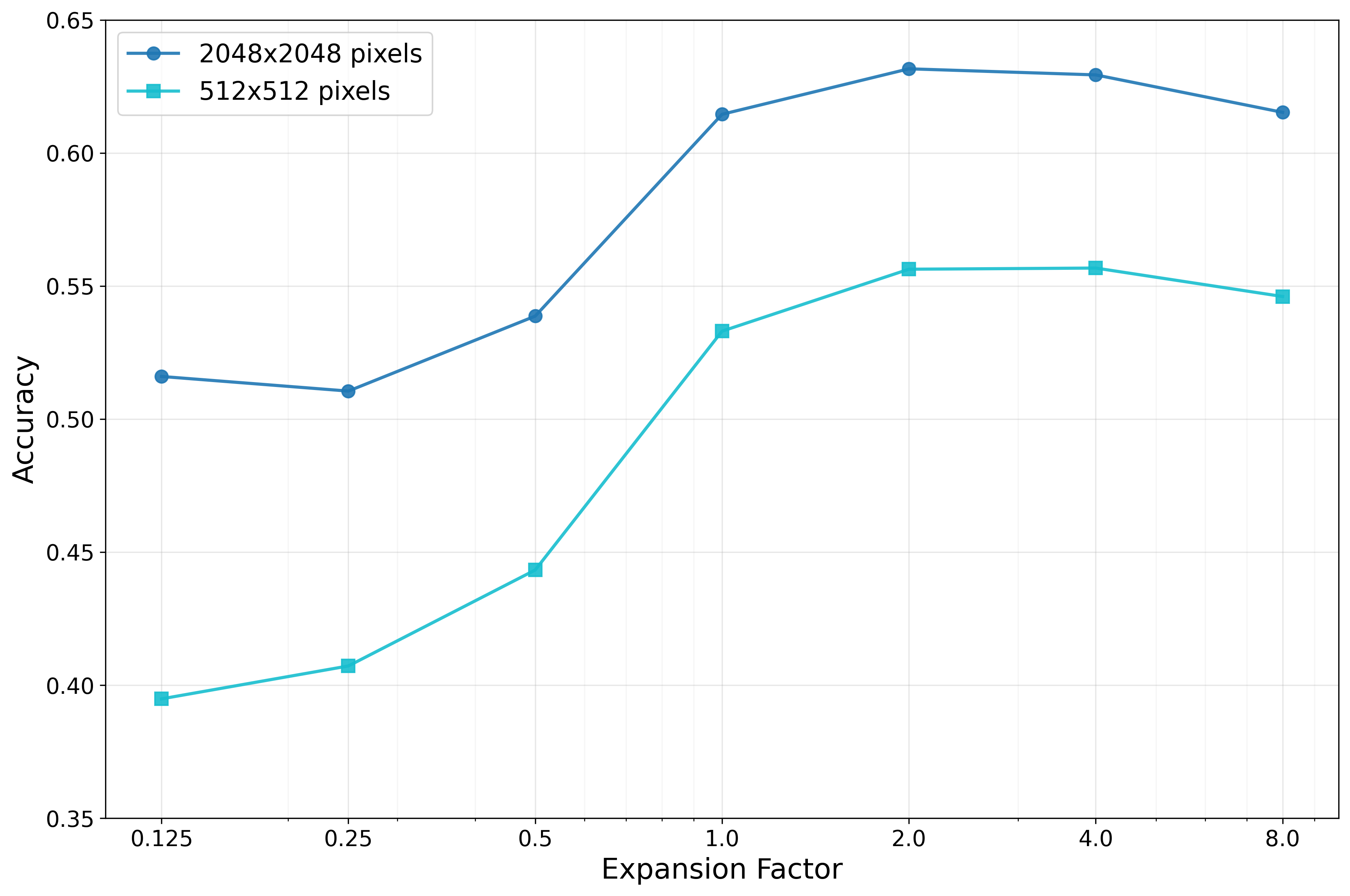
์‹œ๊ฐ ์ฆ๊ฐ• ์‚ฌ์œ  ์‚ฌ์Šฌ: ์ถ”๋ก  ๋‹จ๊ณ„์—์„œ ๋™์  ์ด๋ฏธ์ง€ ๋ณ€ํ™˜์œผ๋กœ VLM ๊ฒฌ๊ณ ์„ฑ ๊ฐ•ํ™”

์‹œ๊ฐ ์ฆ๊ฐ• ์‚ฌ์œ  ์‚ฌ์Šฌ: ์ถ”๋ก  ๋‹จ๊ณ„์—์„œ ๋™์  ์ด๋ฏธ์ง€ ๋ณ€ํ™˜์œผ๋กœ VLM ๊ฒฌ๊ณ ์„ฑ ๊ฐ•ํ™”

While visual data augmentation remains a cornerstone for training robust vision models, it has received limited attention in visual language models (VLMs), which predominantly rely on large-scale real data acquisition or synthetic diversity. Conseque

์‹œ๊ฐ ์ฝ˜ํ…์ธ  ๊ธฐ์–ต๋ ฅ ๋ชจ๋ธ๋ง์„ ์œ„ํ•œ ๋Œ€๊ทœ๋ชจ ๋น„์ง€๋„ ๋ฐ์ดํ„ฐ์…‹ ๋ฐ ๋ฉ€ํ‹ฐ๋ชจ๋‹ฌ ToT ๊ฒ€์ƒ‰

์‹œ๊ฐ ์ฝ˜ํ…์ธ  ๊ธฐ์–ต๋ ฅ ๋ชจ๋ธ๋ง์„ ์œ„ํ•œ ๋Œ€๊ทœ๋ชจ ๋น„์ง€๋„ ๋ฐ์ดํ„ฐ์…‹ ๋ฐ ๋ฉ€ํ‹ฐ๋ชจ๋‹ฌ ToT ๊ฒ€์ƒ‰

Visual content memorability has intrigued the scientific community for decades, with applications ranging widely, from understanding nuanced aspects of human memory to enhancing content design. A significant challenge in progressing the field lies in

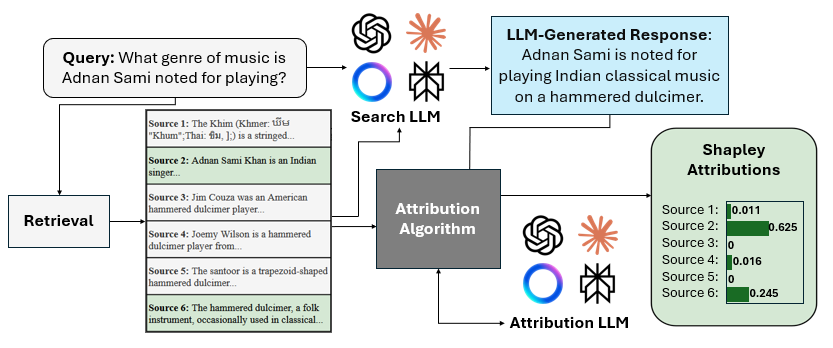
์‹œ๊ฐ์  ์ง€์‹ ๊ทธ๋ž˜ํ”„๋ฅผ ํ™œ์šฉํ•œ ๋Œ€ํ˜• ์–ธ์–ด ๋ชจ๋ธ ํ™˜๊ฐ ํƒ์ง€ ๋ฐ ์ธ๊ฐ„โ€‘์ธโ€‘๋ฃจํ”„ ํ”ผ๋“œ๋ฐฑ ํ”„๋ ˆ์ž„์›Œํฌ

์‹œ๊ฐ์  ์ง€์‹ ๊ทธ๋ž˜ํ”„๋ฅผ ํ™œ์šฉํ•œ ๋Œ€ํ˜• ์–ธ์–ด ๋ชจ๋ธ ํ™˜๊ฐ ํƒ์ง€ ๋ฐ ์ธ๊ฐ„โ€‘์ธโ€‘๋ฃจํ”„ ํ”ผ๋“œ๋ฐฑ ํ”„๋ ˆ์ž„์›Œํฌ

Large Language Models have rapidly advanced in their ability to interpret and generate natural language. In enterprise settings, they are frequently augmented with closed-source domain knowledge to deliver more contextually informed responses. Howeve

์‹ ๊ฒฝ ์˜๊ฐํ˜• ์œ„์ƒ ์ •๊ทœํ™”๊ฐ€ ๋ฉ€ํ‹ฐ๋ชจ๋‹ฌ ๋น„์ „โ€‘์–ธ์–ด ๋ชจ๋ธ์˜ ํ”„๋ผ์ด๋ฒ„์‹œ ๋ฐฉ์–ด๋ ฅ์„ ๊ฐ•ํ™”ํ•œ๋‹ค

์‹ ๊ฒฝ ์˜๊ฐํ˜• ์œ„์ƒ ์ •๊ทœํ™”๊ฐ€ ๋ฉ€ํ‹ฐ๋ชจ๋‹ฌ ๋น„์ „โ€‘์–ธ์–ด ๋ชจ๋ธ์˜ ํ”„๋ผ์ด๋ฒ„์‹œ ๋ฐฉ์–ด๋ ฅ์„ ๊ฐ•ํ™”ํ•œ๋‹ค

In the age of agentic AI, the growing deployment of multi-modal models (MMs) has introduced new attack vectors that can leak sensitive training data in MMs, causing privacy leakage. This paper investigates a black-box privacy attack, i.e., membership

< Category Statistics (Total: 5396) >

Electrical Engineering and Systems Science
1
General Relativity
5
General Research
37
HEP-EX
6
HEP-PH
3
HEP-TH
7
MATH-PH
13
NUCL-EX
7
NUCL-TH
1
Quantum Physics
12
Research
2662

Start searching

Enter keywords to search articles

โ†‘โ†“
โ†ต
ESC
โŒ˜K Shortcut