Stat-Me

The perceived assortativity of social networks: Methodological problems and solutions
Simultaneous confidence intervals for the population cell means, for two-by-two factorial data, that utilize uncertain prior information
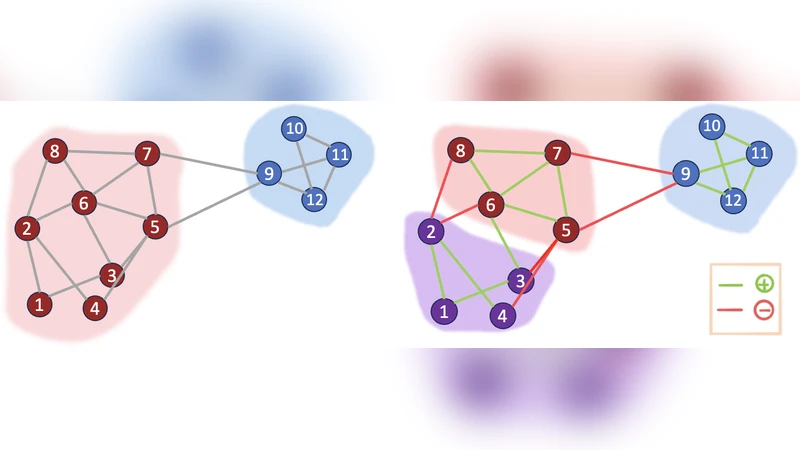
Balanced Stochastic Block Model for Community Detection in Signed Networks
Joint Modeling of Longitudinal EHR Data with Shared Random Effects for Informative Visiting and Observation Processes
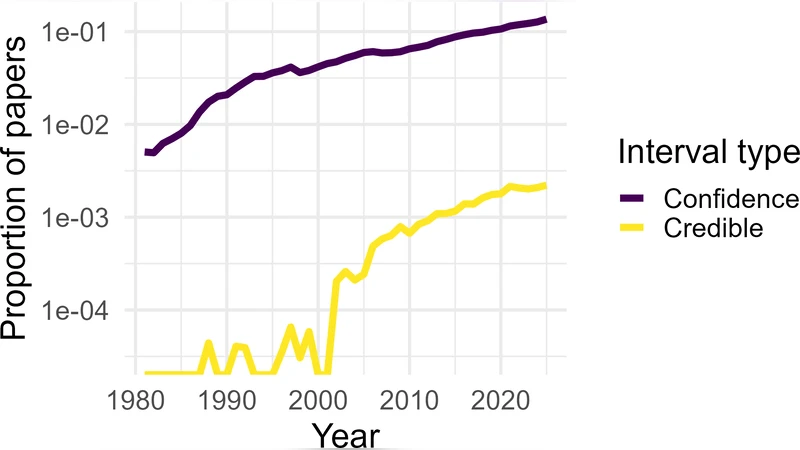
bayesics: Core Statistical Methods via Bayesian Inference in R

Natural direct effects of vaccines and post-vaccination behaviour
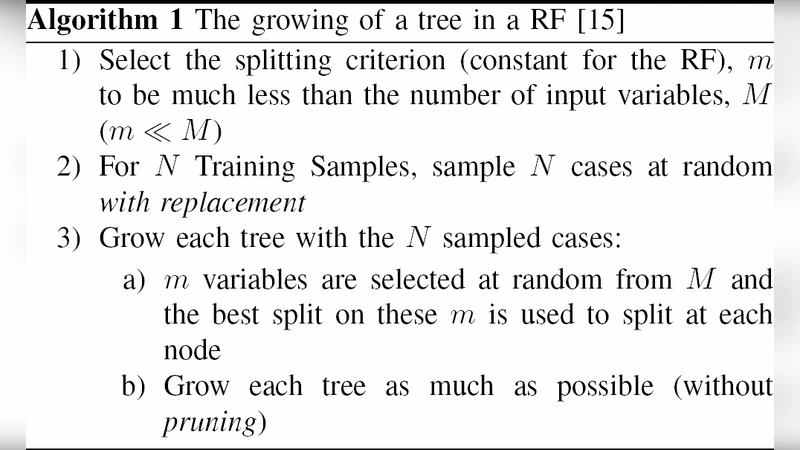
Evaluating the Impact of Missing Data Imputation through the use of the Random Forest Algorithm

Construction and evaluation of classifiers for forensic document analysis
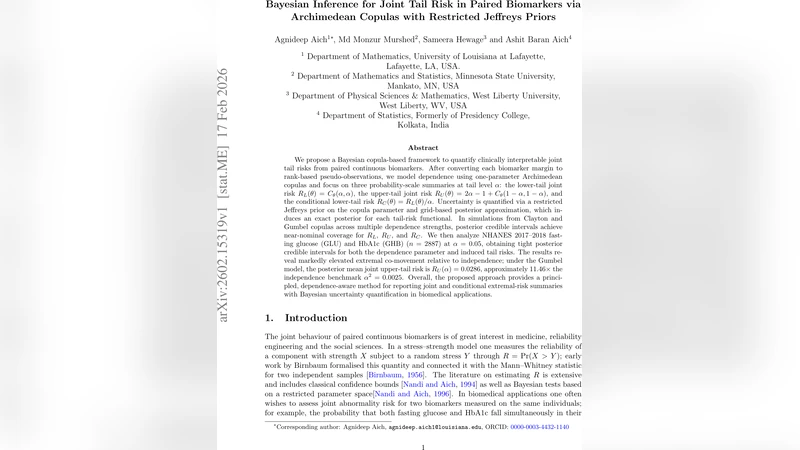
Bayesian Inference for Joint Tail Risk in Paired Biomarkers via Archimedean Copulas with Restricted Jeffreys Priors

Confidence Distributions for FIC scores

Space-filling lattice designs for computer experiments
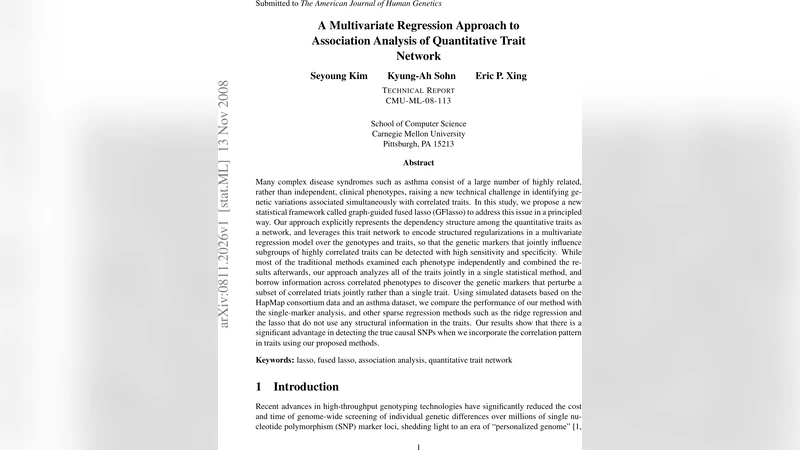
A Multivariate Regression Approach to Association Analysis of Quantitative Trait Network

On the de la Garza Phenomenon

Overall and Pairwise Segregation Tests Based on Nearest Neighbor Contingency Tables
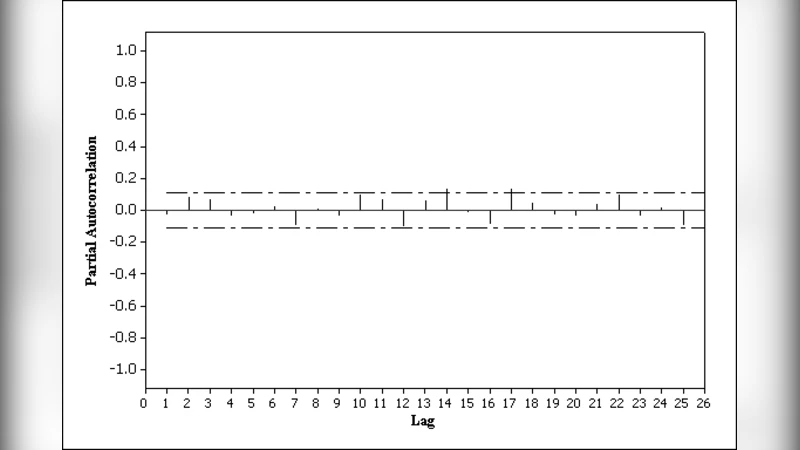
Estimation of missing data by using the filtering process in a time series modeling
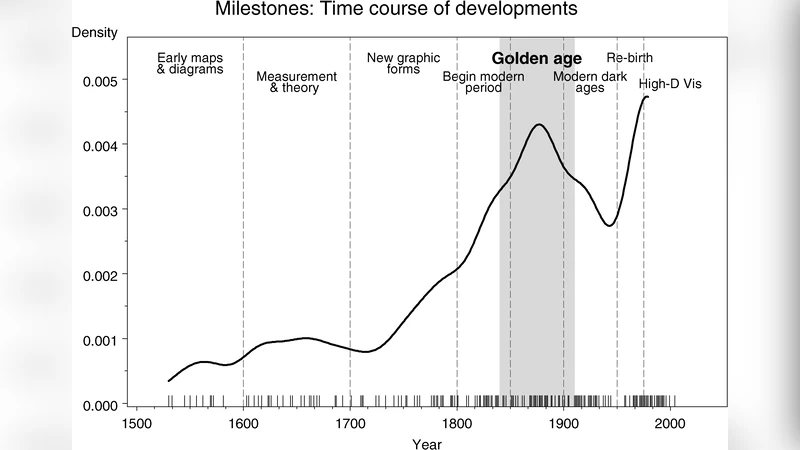
The Golden Age of Statistical Graphics
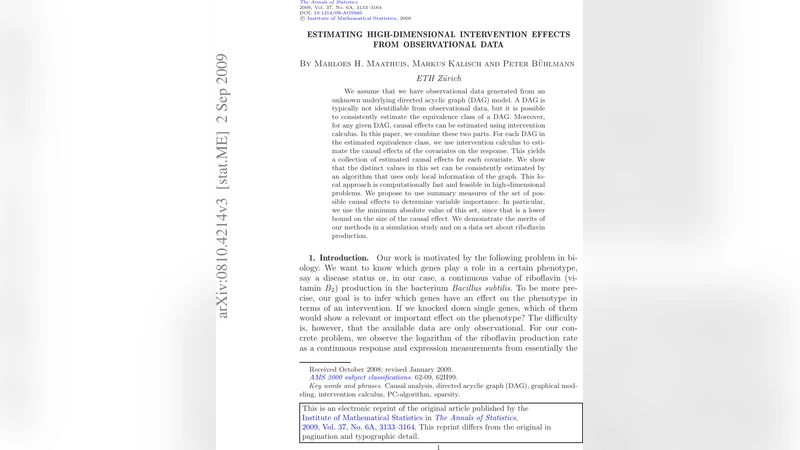
Estimating high-dimensional intervention effects from observational data
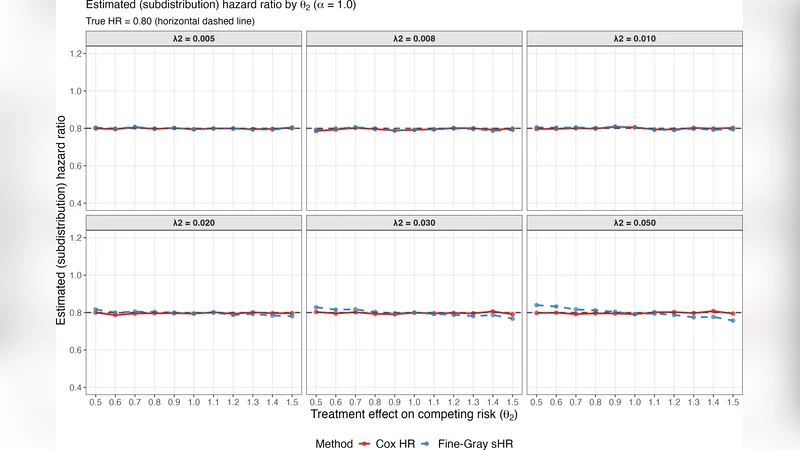
Competing Risk Analysis in Cardiovascular Outcome Trials: A Simulation Comparison of Cox and Fine-Gray Models

Experimental Assortments for Choice Estimation and Nest Identification
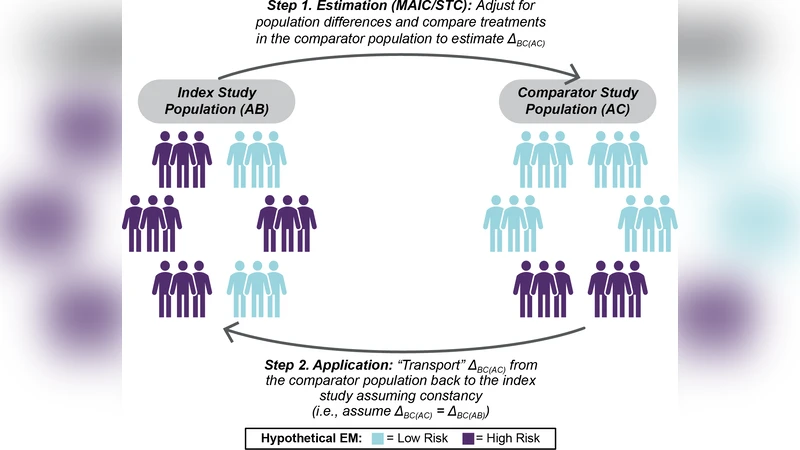
Reframing Population-Adjusted Indirect Comparisons as a Transportability Problem: An Estimand-Based Perspective and Implications for Health Technology Assessment

First versus full or first versus last: U-statistic change-point tests under fixed and local alternatives
M-estimation under Two-Phase Multiwave Sampling with Applications to Prediction-Powered Inference
