Research

All posts under category "Research"

4925 posts total
Sorted by date
๊ถค์  ๊ธฐ๋ฐ˜ ๋ชจ๋ธ ์ข…ํ•ฉ ํŠœํ† ๋ฆฌ์–ผ ์ŠคํŽ˜์ด์Šค ํƒ€์ž„ ์ผ๋ฐ˜ ์ง€๋Šฅ์„ ํ–ฅํ•œ ๋„์ „๊ณผ ์ „๋ง

๊ถค์  ๊ธฐ๋ฐ˜ ๋ชจ๋ธ ์ข…ํ•ฉ ํŠœํ† ๋ฆฌ์–ผ ์ŠคํŽ˜์ด์Šค ํƒ€์ž„ ์ผ๋ฐ˜ ์ง€๋Šฅ์„ ํ–ฅํ•œ ๋„์ „๊ณผ ์ „๋ง

Foundation models (FMs) have emerged as a powerful paradigm, enabling a diverse range of data analytics and knowledge discovery tasks across scientific fields. Inspired by the success of FMs, particularly large language models, researchers have recen

๊ท ํ˜• ์‚ผ์ง„ ์‹ค์ˆ˜ ์—ฐ์‚ฐ์„ ์œ„ํ•œ ํ…ํ  ํฌ๋งท: ์ฐจ์„ธ๋Œ€ ์‚ผ์ง„ ํ•˜๋“œ์›จ์–ด๋ฅผ ์œ„ํ•œ ์ƒˆ๋กœ์šด ์ˆ˜ ์ฒด๊ณ„

๊ท ํ˜• ์‚ผ์ง„ ์‹ค์ˆ˜ ์—ฐ์‚ฐ์„ ์œ„ํ•œ ํ…ํ  ํฌ๋งท: ์ฐจ์„ธ๋Œ€ ์‚ผ์ง„ ํ•˜๋“œ์›จ์–ด๋ฅผ ์œ„ํ•œ ์ƒˆ๋กœ์šด ์ˆ˜ ์ฒด๊ณ„

In light of recent hardware advances, it is striking that real arithmetic in balanced ternary logic has received almost no attention in the literature. This is particularly surprising given ternary logic's promising properties, which could open new a

๊ทธ๋ฆฌ๋”” ์ตœ์ ํ™”์™€ ADM ๊ธฐ๋ฐ˜ ๋ฐ์ดํ„ฐ ๊ตฌ๋™ ์†”๋ฒ„๋ฅผ ๊ฒฐํ•ฉํ•œ ๋น„์„ ํ˜• ๊ตฌ์กฐ ํ•ด์„ ์ „๋žต

๊ทธ๋ฆฌ๋”” ์ตœ์ ํ™”์™€ ADM ๊ธฐ๋ฐ˜ ๋ฐ์ดํ„ฐ ๊ตฌ๋™ ์†”๋ฒ„๋ฅผ ๊ฒฐํ•ฉํ•œ ๋น„์„ ํ˜• ๊ตฌ์กฐ ํ•ด์„ ์ „๋žต

In this work, we extend and generalize our solving strategy, first introduced in [1], based on a greedy optimization algorithm and the alternating direction method (ADM) for nonlinear systems computed with multiple load steps. In particular, we combi

๊ทน์ง€ ํ•ด๋น™ ๊ฐ์†Œ์™€ ํŠธ๋žœ์Šค์•„ํฌํ‹ฑ ํ•ญ๋กœ ๊ฐ€๋Šฅ์„ฑ ํ‰๊ฐ€ ๊ทธ๋ž˜ํ”„ ๊ธฐ๋ฐ˜ ์˜คํ”„๋ผ์ธ ๊ฒฝ๋กœ ํƒ์ƒ‰

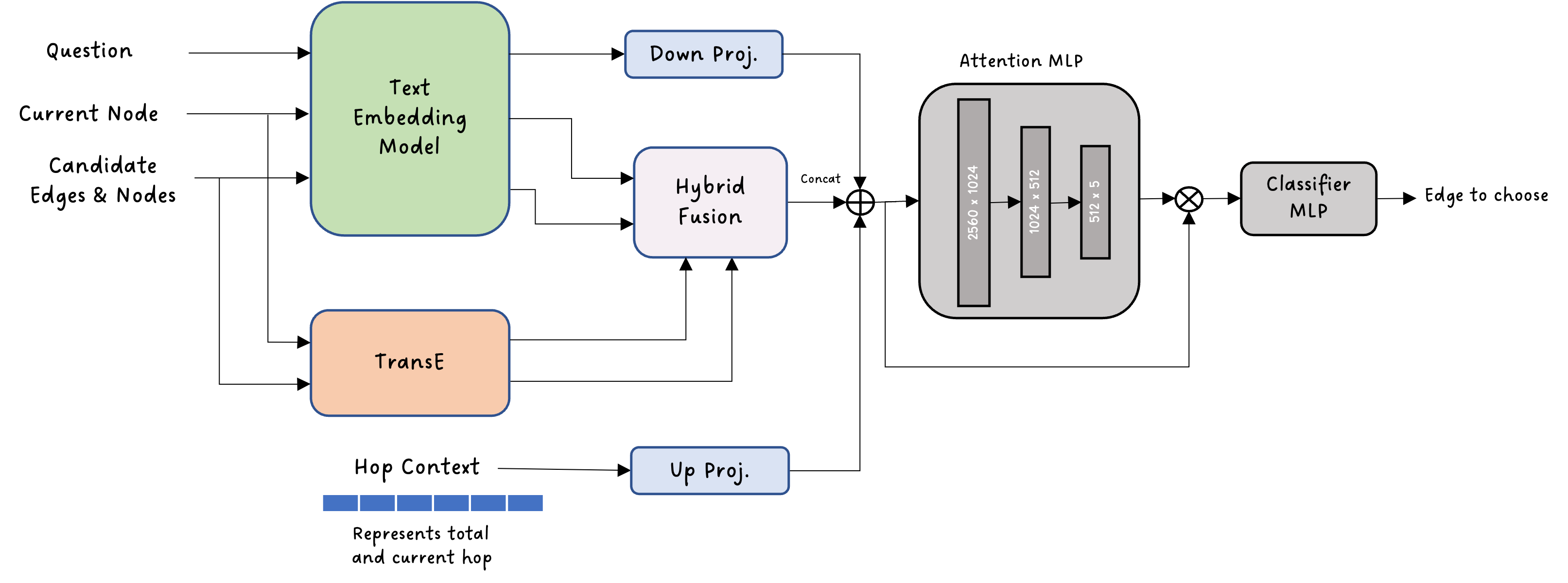
๊ทน์ง€ ํ•ด๋น™ ๊ฐ์†Œ์™€ ํŠธ๋žœ์Šค์•„ํฌํ‹ฑ ํ•ญ๋กœ ๊ฐ€๋Šฅ์„ฑ ํ‰๊ฐ€ ๊ทธ๋ž˜ํ”„ ๊ธฐ๋ฐ˜ ์˜คํ”„๋ผ์ธ ๊ฒฝ๋กœ ํƒ์ƒ‰

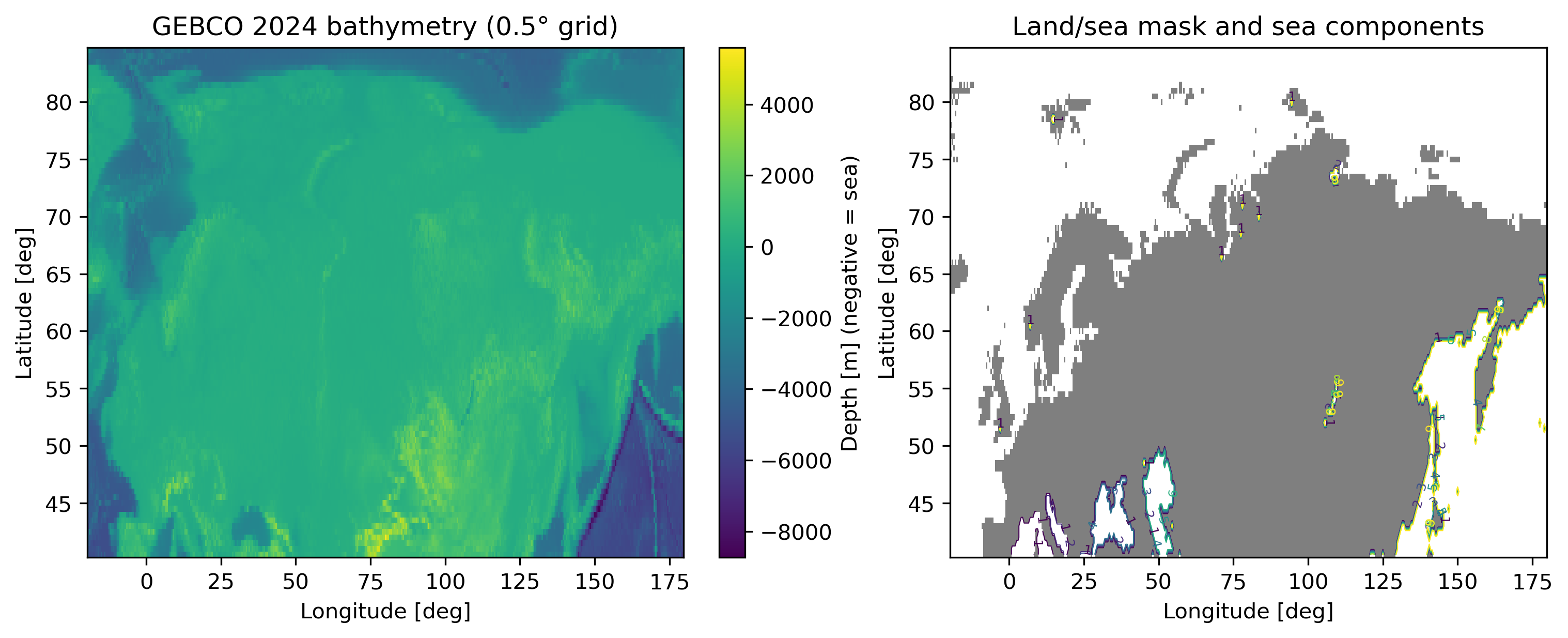
Climate-driven reductions in Arctic sea-ice extent have renewed interest in trans-Arctic shipping, yet adoption remains limited by questions of route feasibility, safety, and excess distance. Existing work often compares idealised great-circle shortc

๋‚ด์žฌ๋œ ์•ˆ์ „ ์ •๋ ฌ ์ง€๋Šฅ์„ ์œ„ํ•œ ๋‹ค์ค‘ ์—์ด์ „ํŠธ ๊ฐ•ํ™”ํ•™์Šต ์ž„๋ฒ ๋”ฉ ํ”„๋ ˆ์ž„์›Œํฌ

๋‚ด์žฌ๋œ ์•ˆ์ „ ์ •๋ ฌ ์ง€๋Šฅ์„ ์œ„ํ•œ ๋‹ค์ค‘ ์—์ด์ „ํŠธ ๊ฐ•ํ™”ํ•™์Šต ์ž„๋ฒ ๋”ฉ ํ”„๋ ˆ์ž„์›Œํฌ

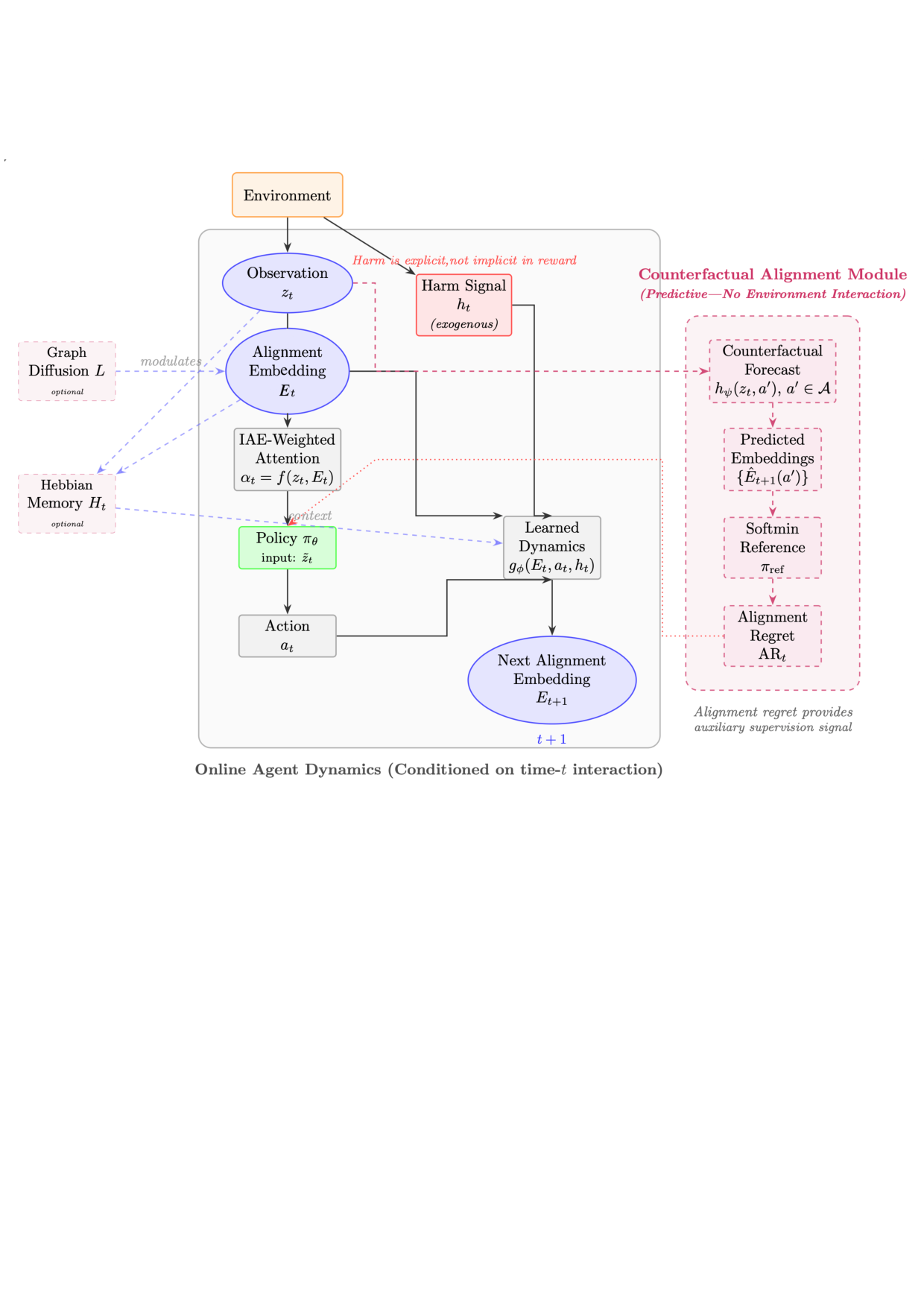
We introduce Embedded Safety-Aligned Intelligence (ESAI), a theoretical framework for multi-agent reinforcement learning that embeds alignment constraints directly into agents' internal representations via differentiable internal alignment embeddings

๋…ธ์ด์ฆˆ ๊ธฐ๋ฐ˜ ์•„๋ฐ”ํƒ€ ์ง€์˜ค๋ฉ”ํŠธ๋ฆฌ ์ƒ์„ฑ๊ณผ ๊ฐ€์šฐ์‹œ์•ˆ ์Šคํ”Œ๋ž˜ํŒ… ์‹œ๊ฐํ™”

๋…ธ์ด์ฆˆ ๊ธฐ๋ฐ˜ ์•„๋ฐ”ํƒ€ ์ง€์˜ค๋ฉ”ํŠธ๋ฆฌ ์ƒ์„ฑ๊ณผ ๊ฐ€์šฐ์‹œ์•ˆ ์Šคํ”Œ๋ž˜ํŒ… ์‹œ๊ฐํ™”

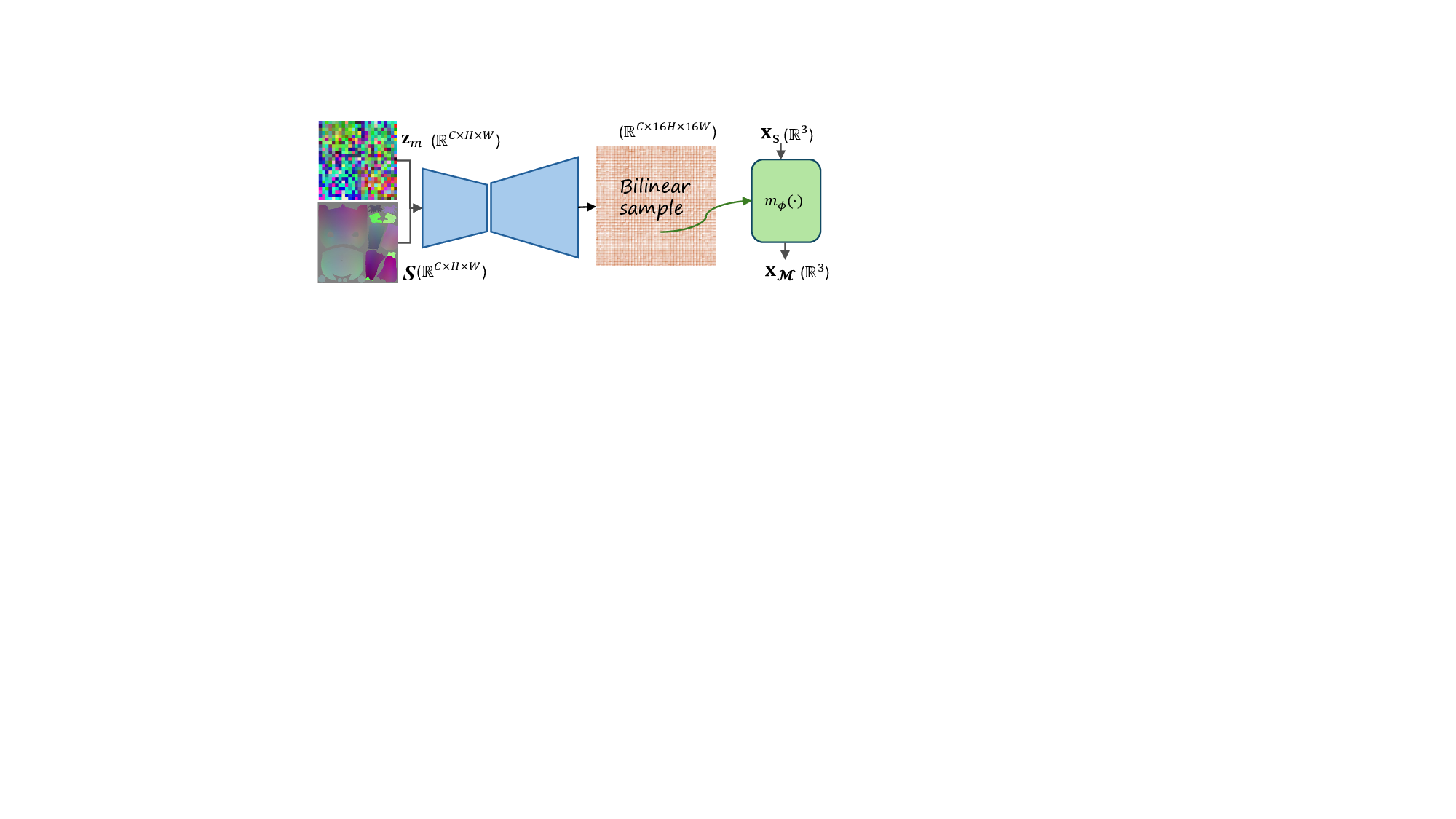
sa (a) Points (b) Depth/Color (c) Normal (d) Mesh ๐—๐— ~๐’ฉ๐’ฉ Figure 1. Our generative framework produces diverse avatar geometry sequences from noise, with geometries represented as points (a). For visualization, these points can be rendered via Gaussian

๋…ธ์ด์ฆˆ๊ฐ€ ๋งŽ์€ ์›์ž ์‹œ๋ฎฌ๋ ˆ์ด์…˜์„ ์œ„ํ•œ ๋กœ๊ทธํ™•๋ฅ  ๊ธฐ๋ฐ˜ ํ†ตํ•ฉ ์œ„์ƒ ๋ถ„๋ฅ˜ ๋ฐ ๊ฒฐํ•จ ์ •๋Ÿ‰ํ™” ๋ชจ๋ธ

๋…ธ์ด์ฆˆ๊ฐ€ ๋งŽ์€ ์›์ž ์‹œ๋ฎฌ๋ ˆ์ด์…˜์„ ์œ„ํ•œ ๋กœ๊ทธํ™•๋ฅ  ๊ธฐ๋ฐ˜ ํ†ตํ•ฉ ์œ„์ƒ ๋ถ„๋ฅ˜ ๋ฐ ๊ฒฐํ•จ ์ •๋Ÿ‰ํ™” ๋ชจ๋ธ

Atomistic simulations generate large volumes of noisy structural data, but extracting phase labels, order parameters (OPs), and defect information in a way that is universal, robust, and interpretable remains challenging. Existing tools such as PTM a

๋‡Œ์ „์œ„์™€ ์ŠคํŒŒ์ดํฌ๋ฅผ ์—ฐ๊ฒฐํ•˜๋Š” ๊ต์ฐจ ๋ชจ๋‹ฌ ์ง€์‹ ์ฆ๋ฅ˜: ๋‹ค์„ธ์…˜ LFP ๋ณ€ํ™˜๊ธฐ ๋ชจ๋ธ์˜ ์„ฑ๋Šฅ ํ–ฅ์ƒ

๋‡Œ์ „์œ„์™€ ์ŠคํŒŒ์ดํฌ๋ฅผ ์—ฐ๊ฒฐํ•˜๋Š” ๊ต์ฐจ ๋ชจ๋‹ฌ ์ง€์‹ ์ฆ๋ฅ˜: ๋‹ค์„ธ์…˜ LFP ๋ณ€ํ™˜๊ธฐ ๋ชจ๋ธ์˜ ์„ฑ๋Šฅ ํ–ฅ์ƒ

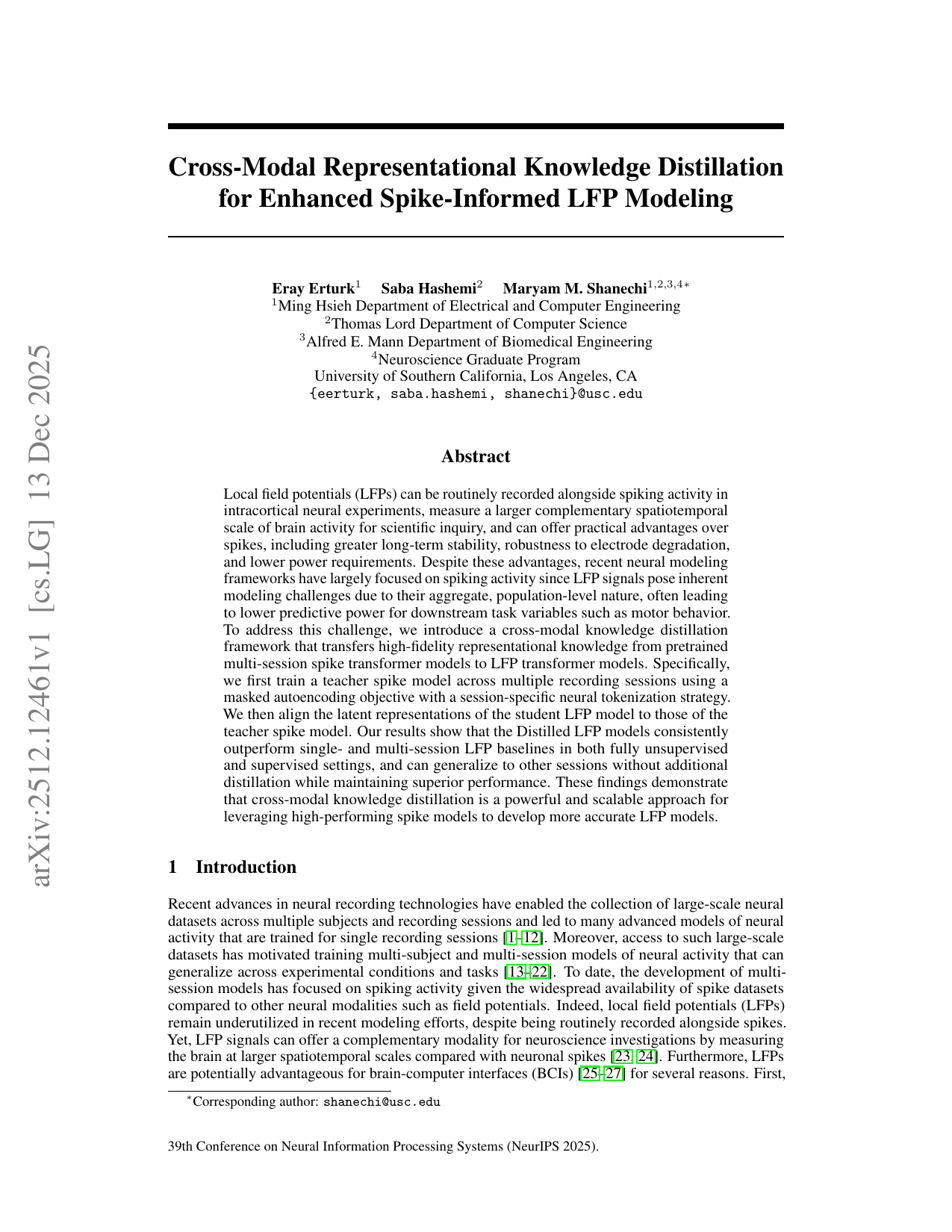
Local field potentials (LFPs) can be routinely recorded alongside spiking activity in intracortical neural experiments, measure a larger complementary spatiotemporal scale of brain activity for scientific inquiry, and can offer practical advantages o

๋‹ค์ค‘ ์†ก์‹ ๊ธฐ ํ™˜๊ฒฝ์—์„œ ๋ฌด์„  ์‹ ํ˜ธ ๊ฐ•๋„ ์ง€๋„ ์žฌ๊ตฌ์„ฑ์„ ์œ„ํ•œ ๋ฌผ๋ฆฌ ๊ธฐ๋ฐ˜ ์‹ ๊ฒฝ๋ง

๋‹ค์ค‘ ์†ก์‹ ๊ธฐ ํ™˜๊ฒฝ์—์„œ ๋ฌด์„  ์‹ ํ˜ธ ๊ฐ•๋„ ์ง€๋„ ์žฌ๊ตฌ์„ฑ์„ ์œ„ํ•œ ๋ฌผ๋ฆฌ ๊ธฐ๋ฐ˜ ์‹ ๊ฒฝ๋ง

Accurately mapping the radio environment (e.g., identifying wireless signal strength at specific frequency bands and geographic locations) is crucial for efficient spectrum sharing, enabling Secondary Users (SUs) to access underutilized spectrum band

๋‹ค์ค‘ ์Šค์ผ€์ผ ํ๋ฆ„ ๋งค์นญ ๊ธฐ๋ฐ˜ ํฌ์ธํŠธ ํด๋ผ์šฐ๋“œ ์ƒ์„ฑ ํ”„๋ ˆ์ž„์›Œํฌ MFM ํฌ์ธํŠธ

๋‹ค์ค‘ ์Šค์ผ€์ผ ํ๋ฆ„ ๋งค์นญ ๊ธฐ๋ฐ˜ ํฌ์ธํŠธ ํด๋ผ์šฐ๋“œ ์ƒ์„ฑ ํ”„๋ ˆ์ž„์›Œํฌ MFM ํฌ์ธํŠธ

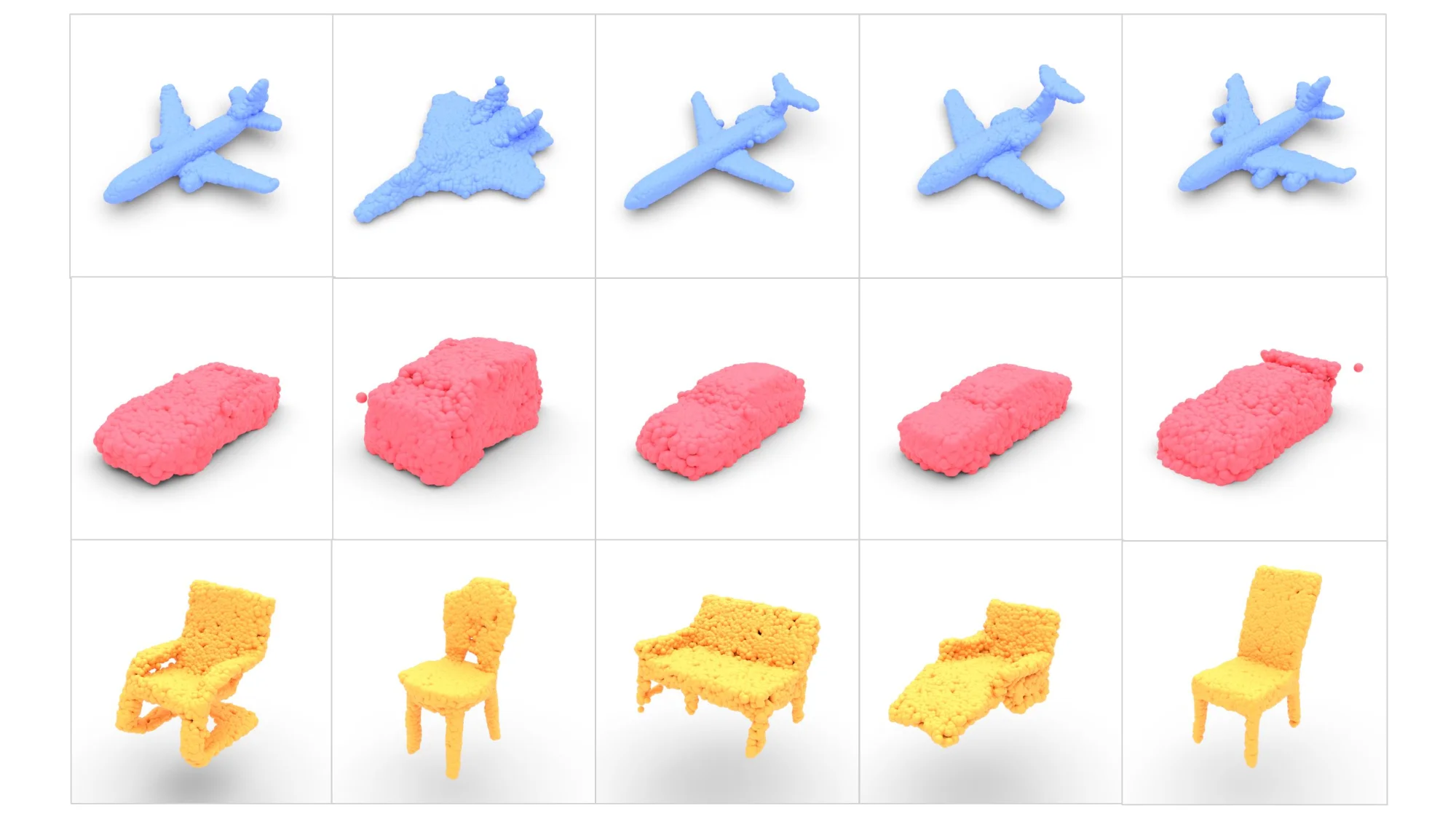
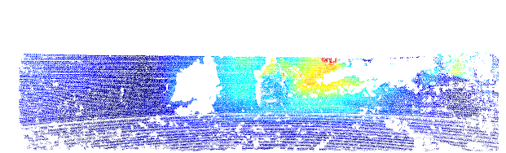
In recent years, point cloud generation has gained significant attention in 3D generative modeling. Among existing approaches, point-based methods directly generate point clouds without relying on other representations such as latent features, meshes

๋‹ค์ค‘ ์—์ด์ „ํŠธ ํ˜‘์—…์„ ์œ„ํ•œ ๋ฉ”์ปค๋‹ˆ์ฆ˜ ๊ธฐ๋ฐ˜ ์ธํ…”๋ฆฌ์ „์Šค์™€ ์ฐจ๋ณ„๊ฐ€๋Šฅ ๊ฐ€๊ฒฉ ๋ฉ”์ปค๋‹ˆ์ฆ˜

๋‹ค์ค‘ ์—์ด์ „ํŠธ ํ˜‘์—…์„ ์œ„ํ•œ ๋ฉ”์ปค๋‹ˆ์ฆ˜ ๊ธฐ๋ฐ˜ ์ธํ…”๋ฆฌ์ „์Šค์™€ ์ฐจ๋ณ„๊ฐ€๋Šฅ ๊ฐ€๊ฒฉ ๋ฉ”์ปค๋‹ˆ์ฆ˜

Autonomous multi-agent systems are fundamentally fragile: they struggle to solve the Hayekian Information problem (eliciting dispersed private knowledge) and the Hurwiczian Incentive problem (aligning local actions with global objectives), making coo

๋‹ค์ค‘๊ณผ์ œ ํ•™์Šต์œผ๋กœ ๊ตฌํ˜„ํ•œ ํˆฌ๋ช…ํ•œ ๋…์„ฑ ์˜ˆ์ธก ํฌ์†Œ ์–ดํ…์…˜ ๊ธฐ๋ฐ˜ ๋ถ„์ž ์กฐ๊ฐ ํ•ด์„

๋‹ค์ค‘๊ณผ์ œ ํ•™์Šต์œผ๋กœ ๊ตฌํ˜„ํ•œ ํˆฌ๋ช…ํ•œ ๋…์„ฑ ์˜ˆ์ธก ํฌ์†Œ ์–ดํ…์…˜ ๊ธฐ๋ฐ˜ ๋ถ„์ž ์กฐ๊ฐ ํ•ด์„

Reliable in silico molecular toxicity prediction is a cornerstone of modern drug discovery, offering a scalable alternative to experimental screening. However, the black-box nature of state-of-the-art models remains a significant barrier to adoption,

๋‹ค์ค‘ํŒจํ„ด ๊ฐ•ํ™”ํ•™์Šต์œผ๋กœ ์‹œ๊ฐ์–ธ์–ดํ–‰๋™ ๋ชจ๋ธ์„ ์œ„ํ•œ ๋‹ค์–‘ํ•˜๊ณ  ํ™•์žฅ ๊ฐ€๋Šฅํ•œ ๋ฐ์ดํ„ฐ ์ƒ์„ฑ

๋‹ค์ค‘ํŒจํ„ด ๊ฐ•ํ™”ํ•™์Šต์œผ๋กœ ์‹œ๊ฐ์–ธ์–ดํ–‰๋™ ๋ชจ๋ธ์„ ์œ„ํ•œ ๋‹ค์–‘ํ•˜๊ณ  ํ™•์žฅ ๊ฐ€๋Šฅํ•œ ๋ฐ์ดํ„ฐ ์ƒ์„ฑ

Scaling vision-language-action (VLA) model pre-training requires large volumes of diverse, high-quality manipulation trajectories. Most current data is obtained via human teleoperation, which is expensive and difficult to scale. Reinforcement learnin

๋‹จ๋ฐฑ์งˆ ์–ธ์–ด ๋ชจ๋ธ์˜ ๋น ๋ฅธ ์ง€๋„ํ•™์Šต์œผ๋กœ ํšจ์œจ์ ์ธ ๋‹จ๋ฐฑ์งˆ ์„ค๊ณ„์™€ ํ˜์‹ ์  ์„œ์—ด ํƒ์ƒ‰

๋‹จ๋ฐฑ์งˆ ์–ธ์–ด ๋ชจ๋ธ์˜ ๋น ๋ฅธ ์ง€๋„ํ•™์Šต์œผ๋กœ ํšจ์œจ์ ์ธ ๋‹จ๋ฐฑ์งˆ ์„ค๊ณ„์™€ ํ˜์‹ ์  ์„œ์—ด ํƒ์ƒ‰

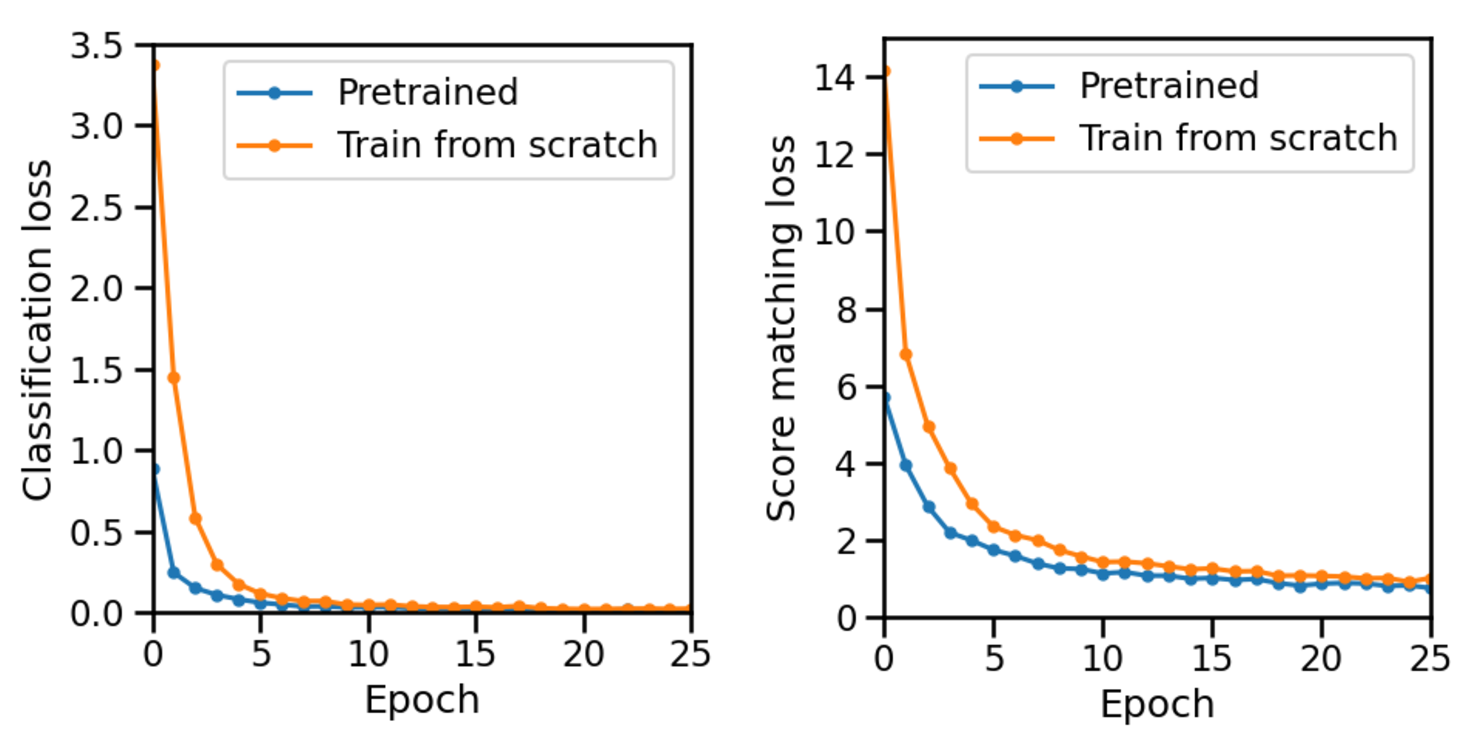
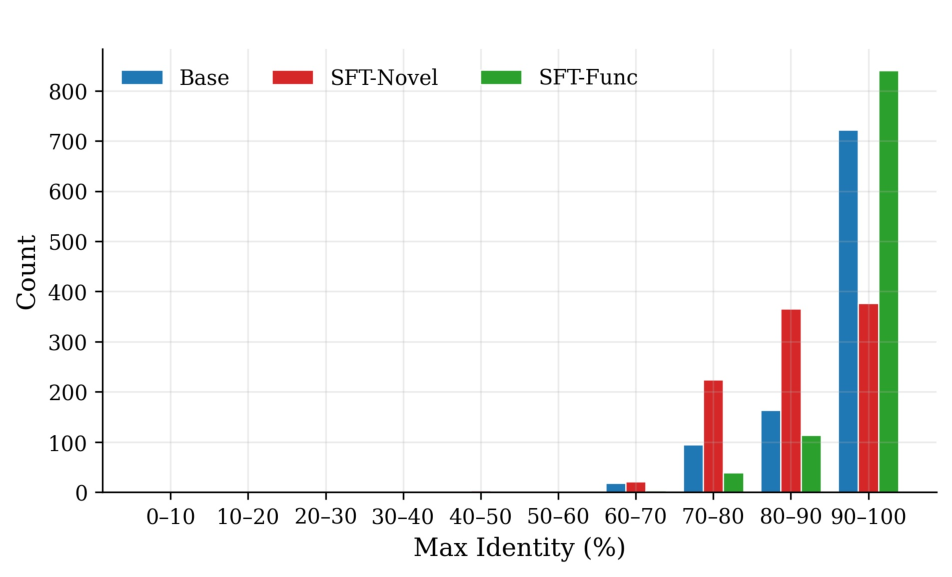
Supervised fine-tuning (SFT) is a standard approach for adapting large language models to specialized domains, yet its application to protein sequence modeling and protein language models (PLMs) remains ad hoc. This is in part because highquality ann

๋‹จ์ผ ์นด๋ฉ”๋ผ ์˜์ƒ์œผ๋กœ ๋ณด๋Š” ํƒ๊ตฌ๊ณต 3D ๊ถค์  ๋ฐ ์Šคํ•€ ์ถ”์ •์˜ ์ƒˆ๋กœ์šด ํŒŒ์ดํ”„๋ผ์ธ

๋‹จ์ผ ์นด๋ฉ”๋ผ ์˜์ƒ์œผ๋กœ ๋ณด๋Š” ํƒ๊ตฌ๊ณต 3D ๊ถค์  ๋ฐ ์Šคํ•€ ์ถ”์ •์˜ ์ƒˆ๋กœ์šด ํŒŒ์ดํ”„๋ผ์ธ

Obtaining the precise 3D motion of a table tennis ball from standard monocular videos is a challenging problem, as existing methods trained on synthetic data struggle to generalize to the noisy, imperfect ball and table detections of the real world.

๋Œ€ํ˜• ์–ธ์–ด ๋ชจ๋ธ์„ ์ด์šฉํ•œ ์ œ์˜ฌ๋ผ์ดํŠธ ํ•ฉ์„ฑ ์ ˆ์ฐจ ์ •๋ณด ์ถ”์ถœ ํ”„๋กฌํ”„ํŠธ ์ „๋žต ๋น„๊ต ์—ฐ๊ตฌ

๋Œ€ํ˜• ์–ธ์–ด ๋ชจ๋ธ์„ ์ด์šฉํ•œ ์ œ์˜ฌ๋ผ์ดํŠธ ํ•ฉ์„ฑ ์ ˆ์ฐจ ์ •๋ณด ์ถ”์ถœ ํ”„๋กฌํ”„ํŠธ ์ „๋žต ๋น„๊ต ์—ฐ๊ตฌ

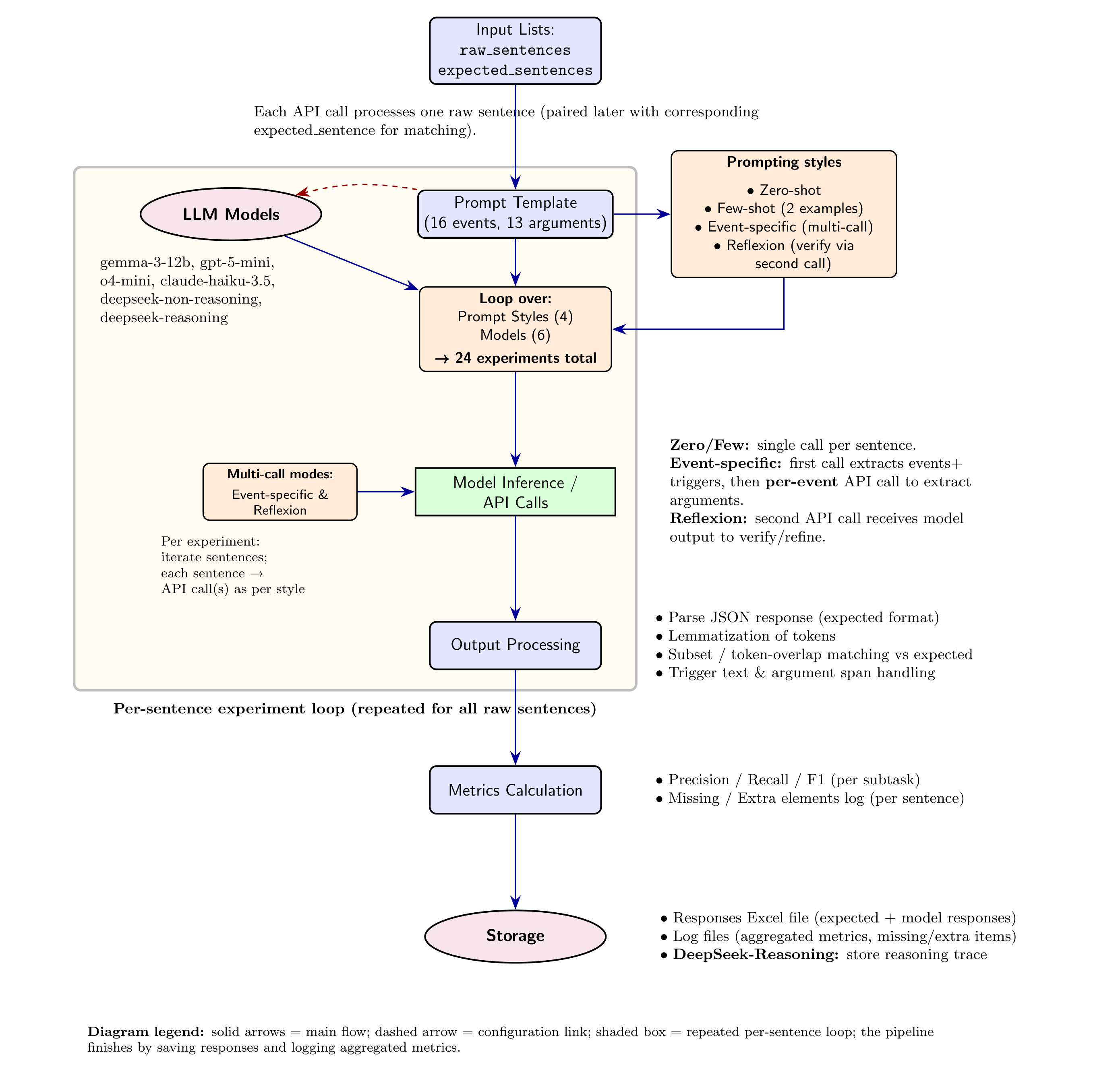
Extracting structured information from zeolite synthesis experimental procedures is critical for materials discovery, yet existing methods have not systematically evaluated Large Language Models (LLMs) for this domainspecific task. This work addresse

๋Œ€ํ˜• ์–ธ์–ด ๋ชจ๋ธ์ด ์†Œ์ˆ˜ ์ธ์ˆ˜ ๋ถ„ํ•ด ํŠธ๋ฆฌ ์‹œํ€€์Šค์˜ ๊ทœ์น™์„ฑ์„ ํ•™์Šตํ•  ์ˆ˜ ์žˆ์„๊นŒ

๋Œ€ํ˜• ์–ธ์–ด ๋ชจ๋ธ์ด ์†Œ์ˆ˜ ์ธ์ˆ˜ ๋ถ„ํ•ด ํŠธ๋ฆฌ ์‹œํ€€์Šค์˜ ๊ทœ์น™์„ฑ์„ ํ•™์Šตํ•  ์ˆ˜ ์žˆ์„๊นŒ

We study whether a Large Language Model can learn the deterministic sequence of trees generated by the iterated prime factorization of the natural numbers. Each integer is mapped into a rooted planar tree and the resulting sequence NT defines an arit

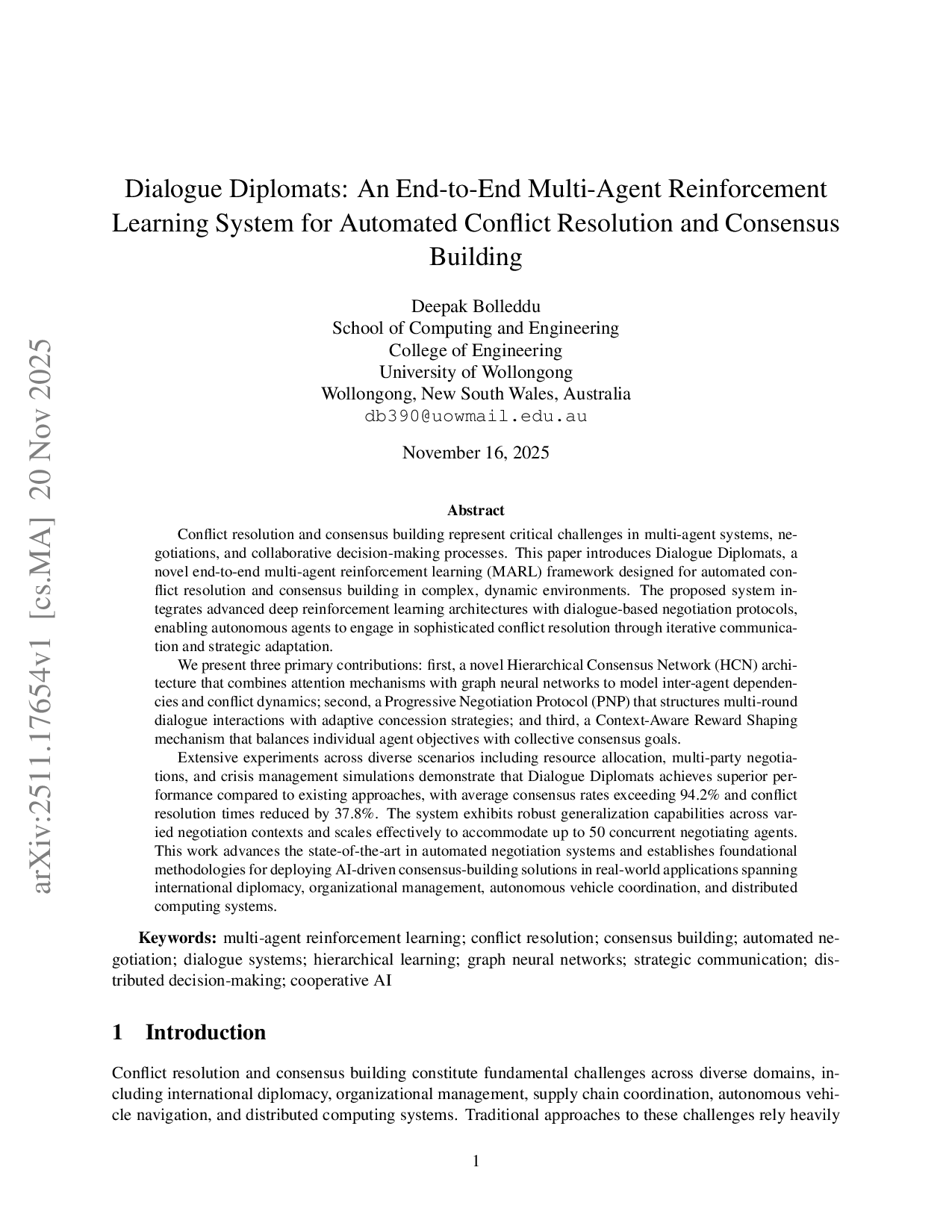
๋Œ€ํ™” ์™ธ๊ต๊ด€ ๋‹ค์ค‘ ์—์ด์ „ํŠธ ๊ฐ•ํ™”ํ•™์Šต ๊ธฐ๋ฐ˜ ๊ฐˆ๋“ฑ ํ•ด๊ฒฐ ๋ฐ ํ•ฉ์˜ ํ˜•์„ฑ ํ”„๋ ˆ์ž„์›Œํฌ

๋Œ€ํ™” ์™ธ๊ต๊ด€ ๋‹ค์ค‘ ์—์ด์ „ํŠธ ๊ฐ•ํ™”ํ•™์Šต ๊ธฐ๋ฐ˜ ๊ฐˆ๋“ฑ ํ•ด๊ฒฐ ๋ฐ ํ•ฉ์˜ ํ˜•์„ฑ ํ”„๋ ˆ์ž„์›Œํฌ

Conflict resolution and consensus building represent critical challenges in multi-agent systems, negotiations, and collaborative decision-making processes. This paper introduces Dialogue Diplomats, a novel end-to-end multi-agent reinforcement learnin

< Category Statistics (Total: 4927) >

Research
4925

Start searching

Enter keywords to search articles

โ†‘โ†“
โ†ต
ESC
โŒ˜K Shortcut