Research

All posts under category "Research"

4440 posts total
Sorted by date
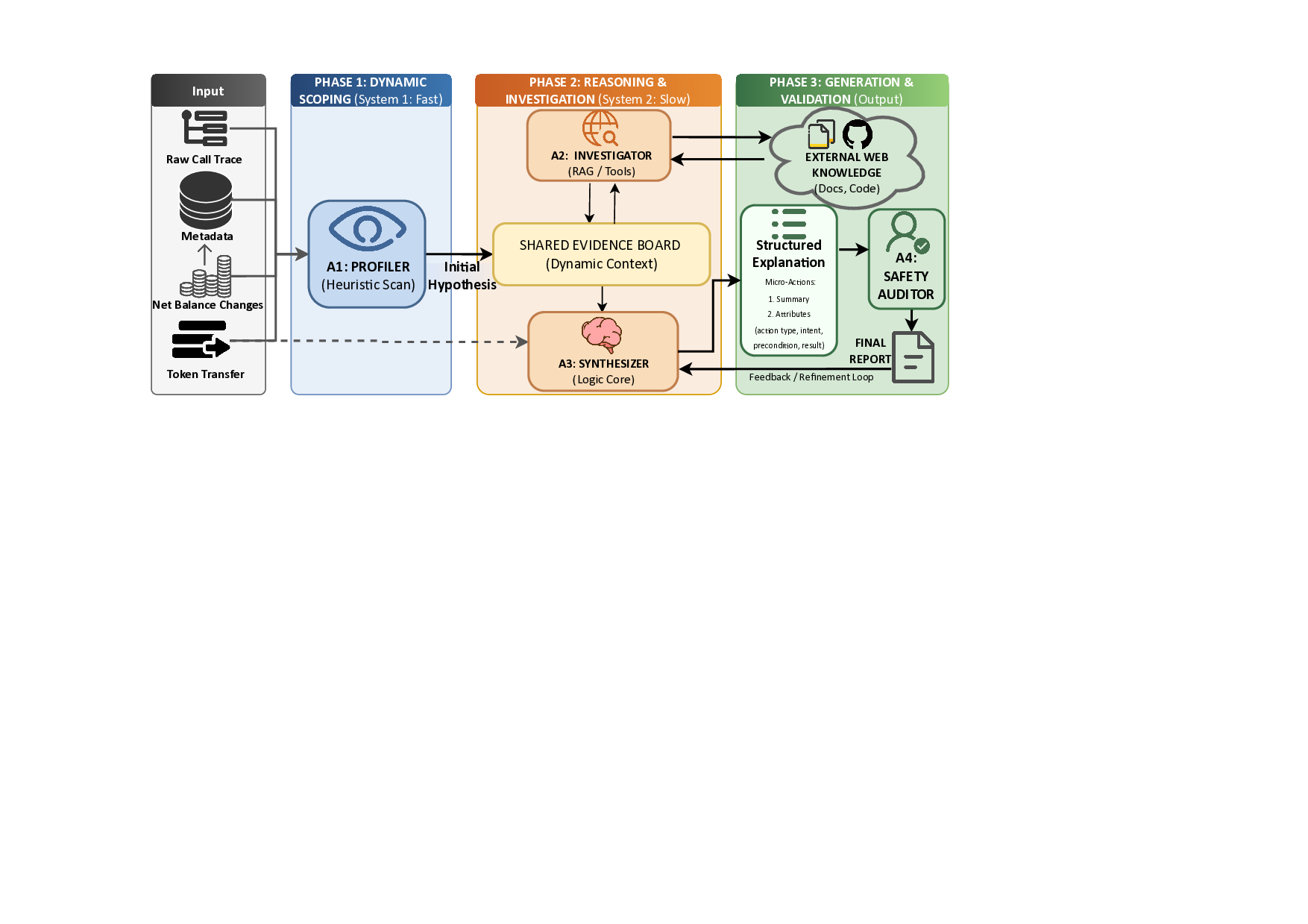
์ด๋”๋ฆฌ์›€ ๊ฑฐ๋ž˜ ๊ฒฝ์ œ์  ์˜๋„ ํŒŒ์•…์„ ์œ„ํ•œ TxSum ๋ฐ์ดํ„ฐ์…‹๊ณผ MATEX ๋ฉ€ํ‹ฐ์—์ด์ „ํŠธ ์‹œ์Šคํ…œ

์ด๋”๋ฆฌ์›€ ๊ฑฐ๋ž˜ ๊ฒฝ์ œ์  ์˜๋„ ํŒŒ์•…์„ ์œ„ํ•œ TxSum ๋ฐ์ดํ„ฐ์…‹๊ณผ MATEX ๋ฉ€ํ‹ฐ์—์ด์ „ํŠธ ์‹œ์Šคํ…œ

Understanding the economic intent of Ethereum transactions is critical for user safety, yet current tools expose only raw on-chain data, leading to widespread 'blind signing' (approving transactions without understanding them). Through interviews wit

์ด์ค‘ ์ถ”๋ก  ํ•™์Šต: ๊ธ์ •โ€‘๋ถ€์ • ๋…ผ๋ฆฌ๋ฅผ ๊ฒฐํ•ฉํ•œ ๋Œ€ํ˜• ์–ธ์–ด ๋ชจ๋ธ์˜ ๊ณผํ•™์  ์ถ”๋ก  ๊ฐ•ํ™”

์ด์ค‘ ์ถ”๋ก  ํ•™์Šต: ๊ธ์ •โ€‘๋ถ€์ • ๋…ผ๋ฆฌ๋ฅผ ๊ฒฐํ•ฉํ•œ ๋Œ€ํ˜• ์–ธ์–ด ๋ชจ๋ธ์˜ ๊ณผํ•™์  ์ถ”๋ก  ๊ฐ•ํ™”

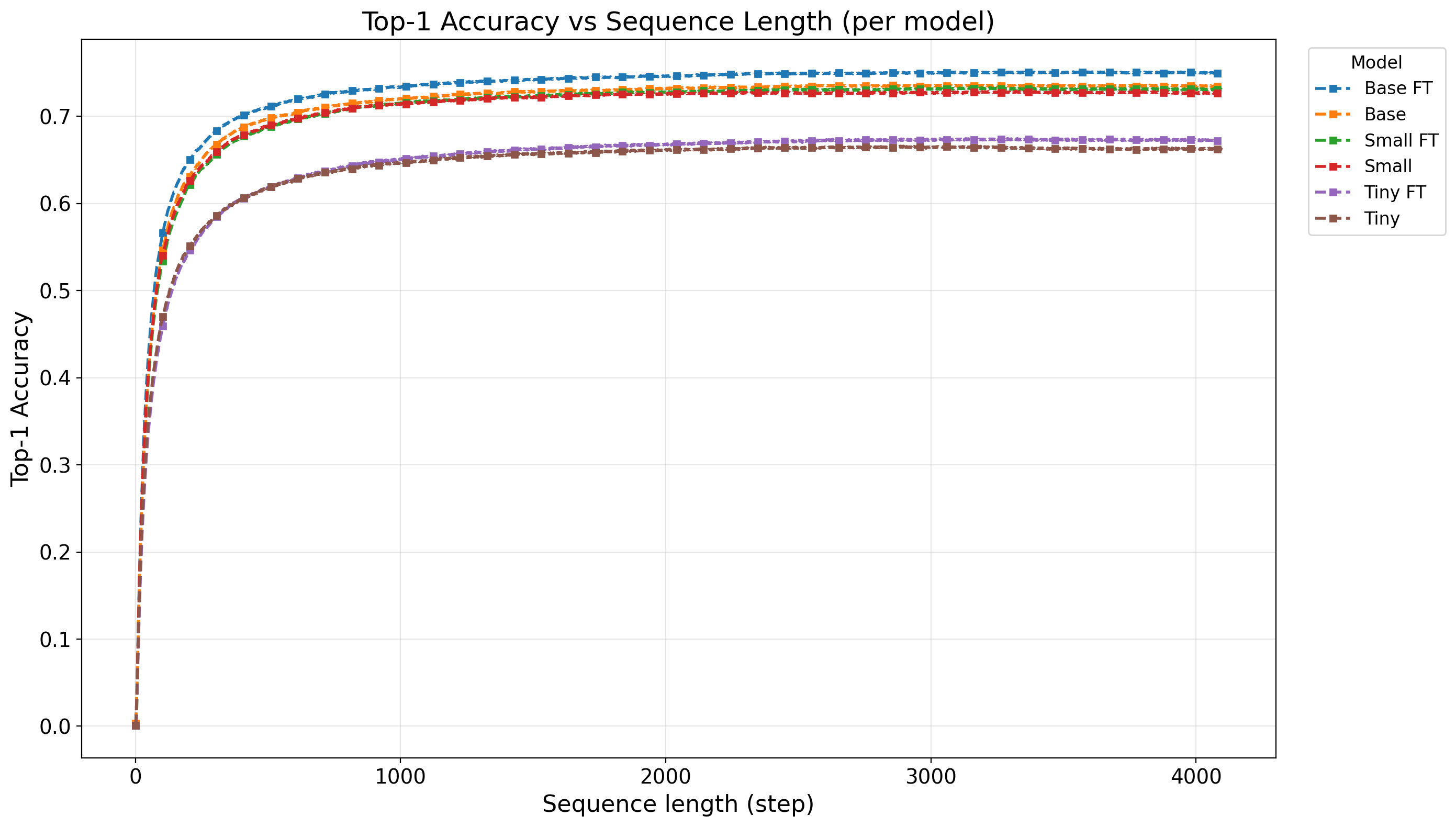
Large Language Models (LLMs) have transformed natural language processing and hold growing promise for advancing science, healthcare, and decision-making. Yet their training paradigms remain dominated by affirmation-based inference, akin to modus pon

์ž„์‹  ์น˜๋ฃŒ์—์„œ ๋Œ€ํ˜• ์–ธ์–ด ๋ชจ๋ธ ์ •๋ ฌ ์ „๋žต์˜ ์—ญ์„ค ์ •ํ™•๋„์™€ ์ž„์ƒ์˜ ์‹ ๋ขฐ์˜ ๊ดด๋ฆฌ

์ž„์‹  ์น˜๋ฃŒ์—์„œ ๋Œ€ํ˜• ์–ธ์–ด ๋ชจ๋ธ ์ •๋ ฌ ์ „๋žต์˜ ์—ญ์„ค ์ •ํ™•๋„์™€ ์ž„์ƒ์˜ ์‹ ๋ขฐ์˜ ๊ดด๋ฆฌ

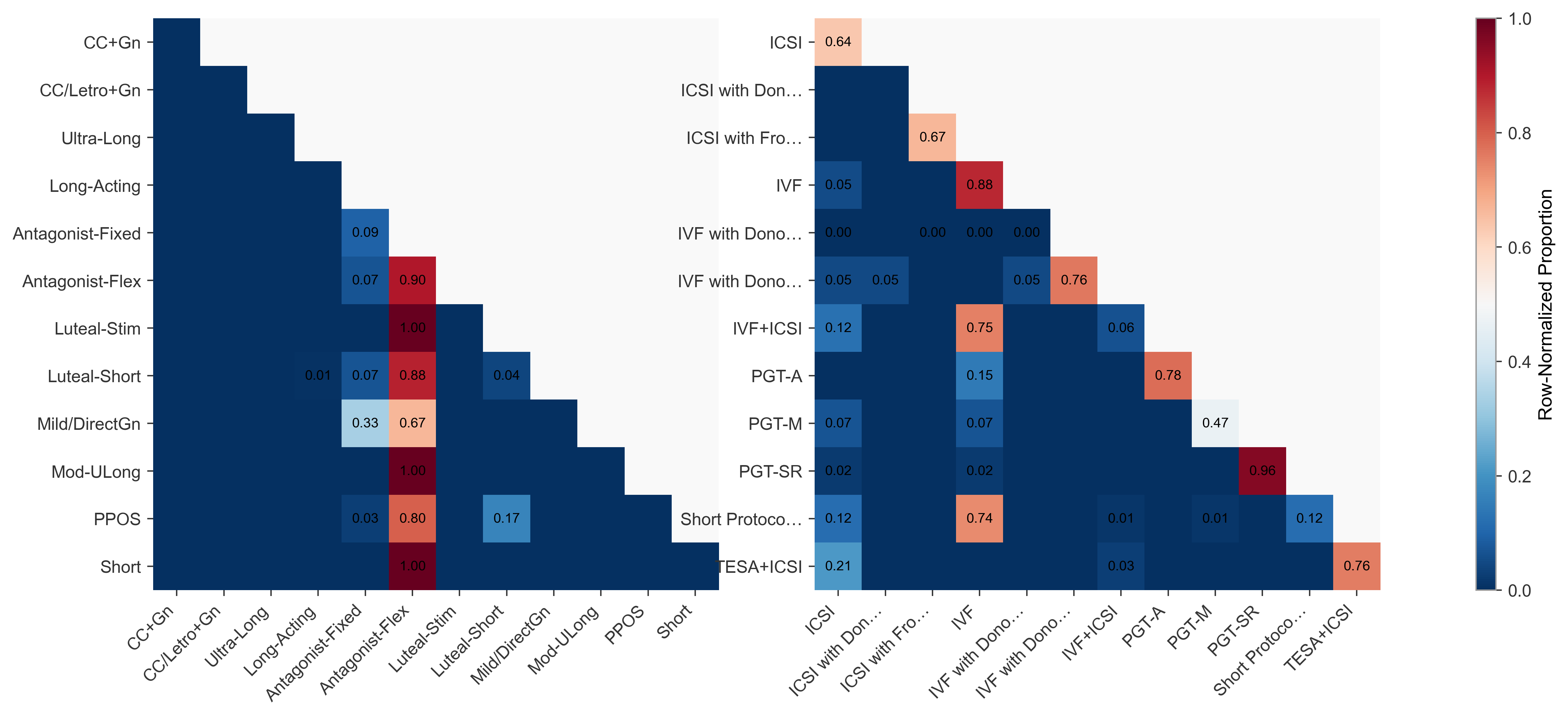
Large language models (LLMs) are increasingly adopted in clinical decision support, yet aligning them with the multifaceted reasoning pathways of real-world medicine remains a major challenge. Using more than 8,000 infertility treatment records, we s

์ •์ฑ…์„ ์ž๋™ ๊ทœ์น™์œผ๋กœ ์ „ํ™˜ํ•˜๋Š” P2T ํ”„๋ ˆ์ž„์›Œํฌ AI ๊ฐ€์ด๋“œ๋ผ์ธ์˜ ์‹คํ–‰ ๊ฐ€๋Šฅ์„ฑ ํ–ฅ์ƒ

์ •์ฑ…์„ ์ž๋™ ๊ทœ์น™์œผ๋กœ ์ „ํ™˜ํ•˜๋Š” P2T ํ”„๋ ˆ์ž„์›Œํฌ AI ๊ฐ€์ด๋“œ๋ผ์ธ์˜ ์‹คํ–‰ ๊ฐ€๋Šฅ์„ฑ ํ–ฅ์ƒ

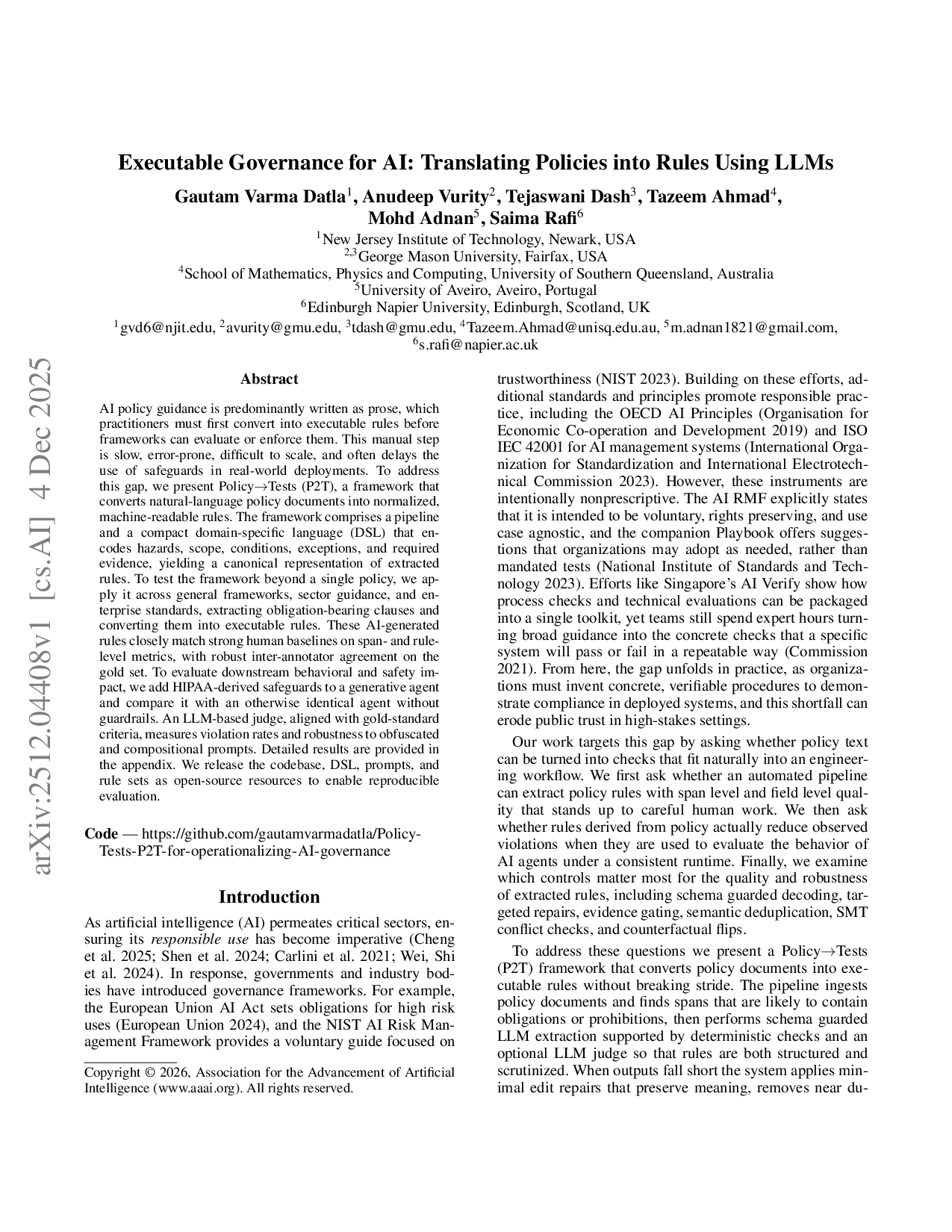
AI policy guidance is predominantly written as prose, which practitioners must first convert into executable rules before frameworks can evaluate or enforce them. This manual step is slow, error-prone, difficult to scale, and often delays the use of

์ฃผ๊ด€์  ํ‰๊ฐ€๋งŒ์œผ๋กœ ์ง„ํ™” ๊ฐ€๋Šฅํ•˜๊ฒŒ ํ•˜๋Š” ๋‹ค์ค‘์—์ด์ „ํŠธ ๋ถ„ํ•ด ์ง„ํ™” ํ”„๋ ˆ์ž„์›Œํฌ

์ฃผ๊ด€์  ํ‰๊ฐ€๋งŒ์œผ๋กœ ์ง„ํ™” ๊ฐ€๋Šฅํ•˜๊ฒŒ ํ•˜๋Š” ๋‹ค์ค‘์—์ด์ „ํŠธ ๋ถ„ํ•ด ์ง„ํ™” ํ”„๋ ˆ์ž„์›Œํฌ

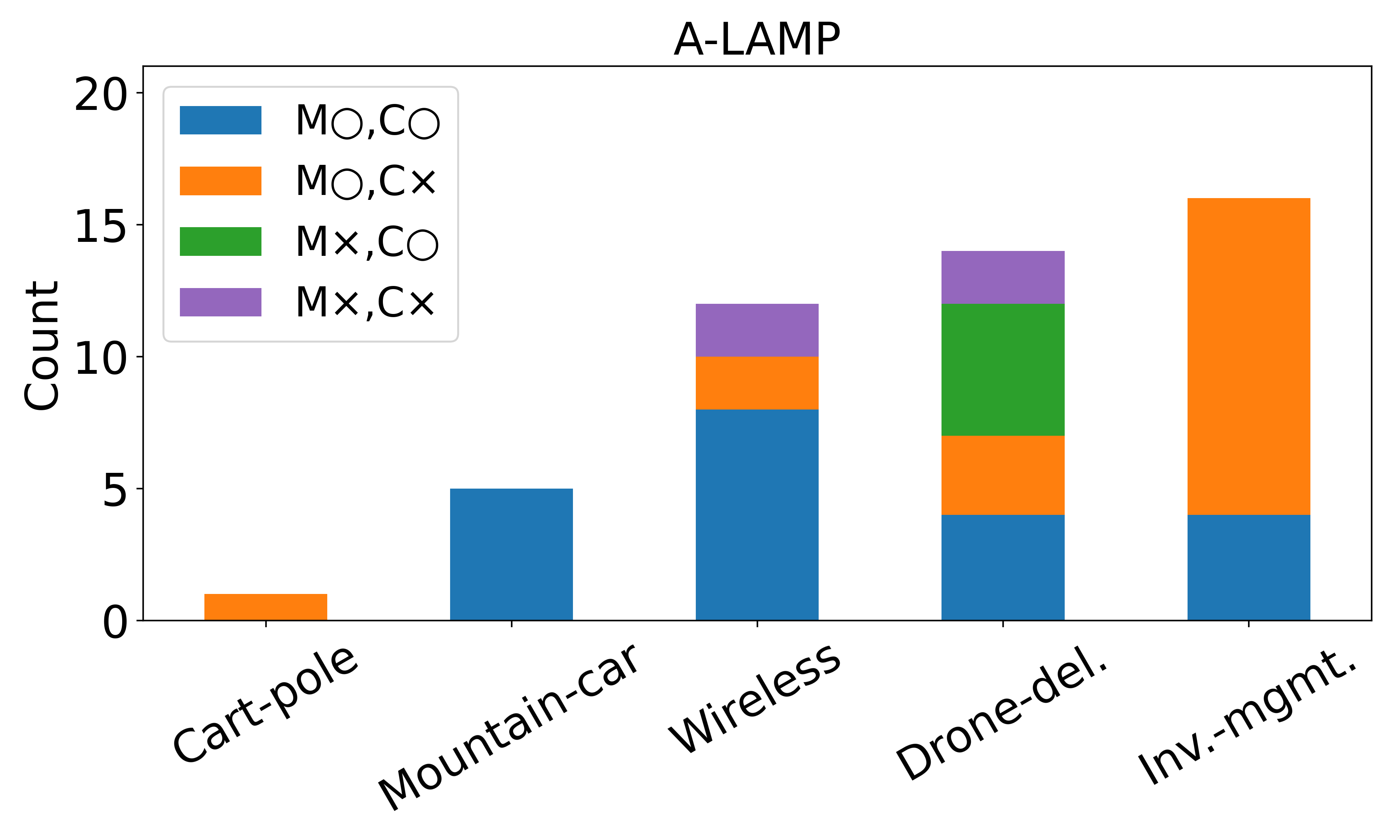
The integration of Large Language Models (LLMs) with Evolutionary Computation (EC) has unlocked new frontiers in scientific discovery but remains shackled by a fundamental constraint: the reliance on an Oracle--an objective, machine-computable fitnes

์ค€์Šค์ผˆ๋ ˆํ†ค ๋ฐฐ์„ ๋„ ๊ทธ๋ž˜ํ”„์™€ ํ•ด์‹œ ๋‹ค์ด์–ด๊ทธ๋žจ์˜ ๋™ํ˜•์„ฑ ๋ฐ ์ „๋žต ์ถ”์ถœ ์•Œ๊ณ ๋ฆฌ์ฆ˜

์ค€์Šค์ผˆ๋ ˆํ†ค ๋ฐฐ์„ ๋„ ๊ทธ๋ž˜ํ”„์™€ ํ•ด์‹œ ๋‹ค์ด์–ด๊ทธ๋žจ์˜ ๋™ํ˜•์„ฑ ๋ฐ ์ „๋žต ์ถ”์ถœ ์•Œ๊ณ ๋ฆฌ์ฆ˜

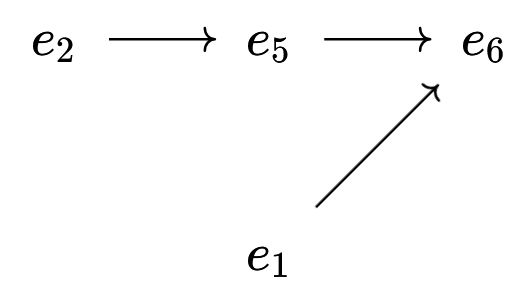
A wiring diagram is a labeled directed graph that represents an abstract concept such as a temporal process. In this article, we introduce the notion of a quasi-skeleton wiring diagram graph, and prove that quasi-skeleton wiring diagram graphs corres

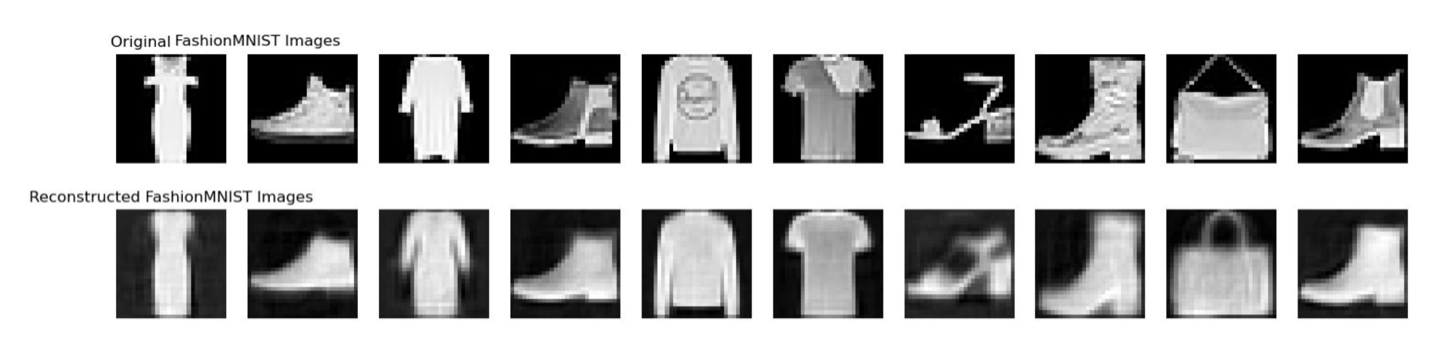
์ปจ๋ณผ๋ฃจ์…˜ ๊ธฐ๋ฐ˜ ์ด๋ฏธ์ง€ ๋ณต์›์—์„œ ํ™˜๊ฐ ํ˜„์ƒ ์ •๋Ÿ‰ํ™”์™€ ์‹ ๋ขฐ์„ฑ ํ™•๋ณด๋ฅผ ์œ„ํ•œ ์ปจํฌ๋ฉ€ ํ™˜๊ฐ ์ถ”์ • ์ง€ํ‘œ

์ปจ๋ณผ๋ฃจ์…˜ ๊ธฐ๋ฐ˜ ์ด๋ฏธ์ง€ ๋ณต์›์—์„œ ํ™˜๊ฐ ํ˜„์ƒ ์ •๋Ÿ‰ํ™”์™€ ์‹ ๋ขฐ์„ฑ ํ™•๋ณด๋ฅผ ์œ„ํ•œ ์ปจํฌ๋ฉ€ ํ™˜๊ฐ ์ถ”์ • ์ง€ํ‘œ

U-Net and other U-shaped architectures have achieved significant success in image deconvolution tasks. However, challenges have emerged, as these methods might generate unrealistic artifacts or hallucinations, which can interfere with analysis in saf

์ปดํ“จํ„ฐ ์‚ฌ์šฉ ์—์ด์ „ํŠธ๋ฅผ ์œ„ํ•œ ๋Œ€๊ทœ๋ชจ ํ•ฉ์„ฑ ๋ฐ์ดํ„ฐ ์ƒ์„ฑ ์‹œ์Šคํ…œ FaraGen๊ณผ ์†Œํ˜• ๊ณ ์„ฑ๋Šฅ ๋ชจ๋ธ Fara7B

์ปดํ“จํ„ฐ ์‚ฌ์šฉ ์—์ด์ „ํŠธ๋ฅผ ์œ„ํ•œ ๋Œ€๊ทœ๋ชจ ํ•ฉ์„ฑ ๋ฐ์ดํ„ฐ ์ƒ์„ฑ ์‹œ์Šคํ…œ FaraGen๊ณผ ์†Œํ˜• ๊ณ ์„ฑ๋Šฅ ๋ชจ๋ธ Fara7B

Progress in computer use agents (CUAs) has been constrained by the absence of large and high-quality datasets that capture how humans interact with a computer. While LLMs have thrived on abundant textual data, no comparable corpus exists for CUA traj

ํด๋ฆฐ๋…ธํŠธ์—์ด์ „ํŠธ ๋Œ€ํ˜•์–ธ์–ด๋ชจ๋ธ ๊ธฐ๋ฐ˜ ๋‹ค์ค‘โ€‘์—์ด์ „ํŠธ ํ”„๋ ˆ์ž„์›Œํฌ๋ฅผ ํ™œ์šฉํ•œ ์‹ฌ๋ถ€์ „ 30์ผ ์žฌ์ž…์› ์œ„ํ—˜ ์˜ˆ์ธก

ํด๋ฆฐ๋…ธํŠธ์—์ด์ „ํŠธ ๋Œ€ํ˜•์–ธ์–ด๋ชจ๋ธ ๊ธฐ๋ฐ˜ ๋‹ค์ค‘โ€‘์—์ด์ „ํŠธ ํ”„๋ ˆ์ž„์›Œํฌ๋ฅผ ํ™œ์šฉํ•œ ์‹ฌ๋ถ€์ „ 30์ผ ์žฌ์ž…์› ์œ„ํ—˜ ์˜ˆ์ธก

Heart failure (HF) is one of the leading causes of rehospitalization among older adults in the United States. Although clinical notes contain rich, detailed patient information and make up a large portion of electronic health records (EHRs), they rem

ํ…์ŠคํŠธ ๊ธฐ๋ฐ˜ ์ด๋ฏธ์ง€ ํŽธ์ง‘ ํ‰๊ฐ€๋ฅผ ์œ„ํ•œ ์ข…ํ•ฉ ๋ฒค์น˜๋งˆํฌ์™€ ์ธ๊ฐ„ ์ง€๊ฐ์— ๋งž์ถ˜ ๋ฉ”ํŠธ๋ฆญ

ํ…์ŠคํŠธ ๊ธฐ๋ฐ˜ ์ด๋ฏธ์ง€ ํŽธ์ง‘ ํ‰๊ฐ€๋ฅผ ์œ„ํ•œ ์ข…ํ•ฉ ๋ฒค์น˜๋งˆํฌ์™€ ์ธ๊ฐ„ ์ง€๊ฐ์— ๋งž์ถ˜ ๋ฉ”ํŠธ๋ฆญ

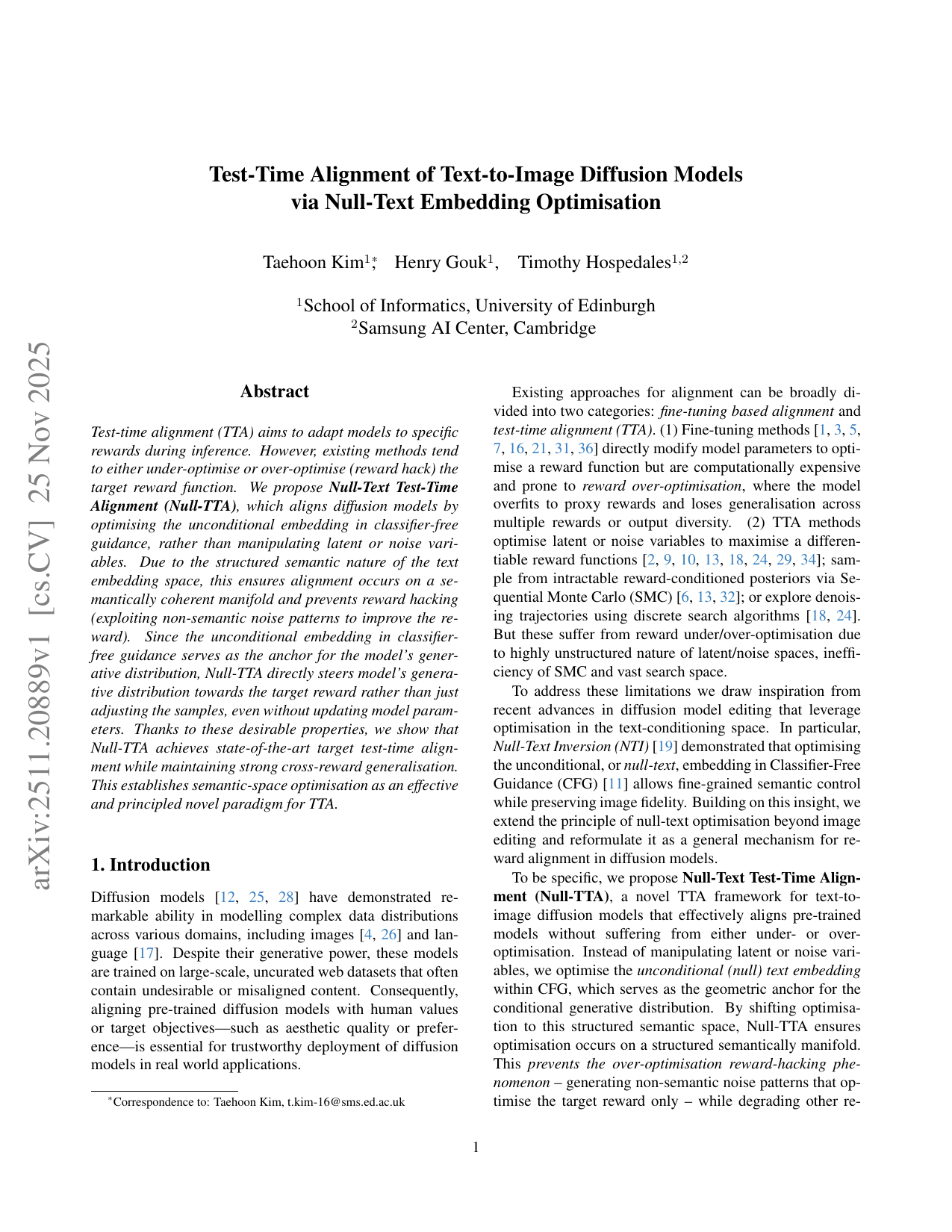
Recent advances in text-driven image editing have been significant, yet the task of accurately evaluating these edited images continues to pose a considerable challenge. Different from the assessment of text-driven image generation, text-driven image

< Category Statistics (Total: 4442) >

Research
4440

Start searching

Enter keywords to search articles

โ†‘โ†“
โ†ต
ESC
โŒ˜K Shortcut