Research

All posts under category "Research"

3632 posts total
Sorted by date
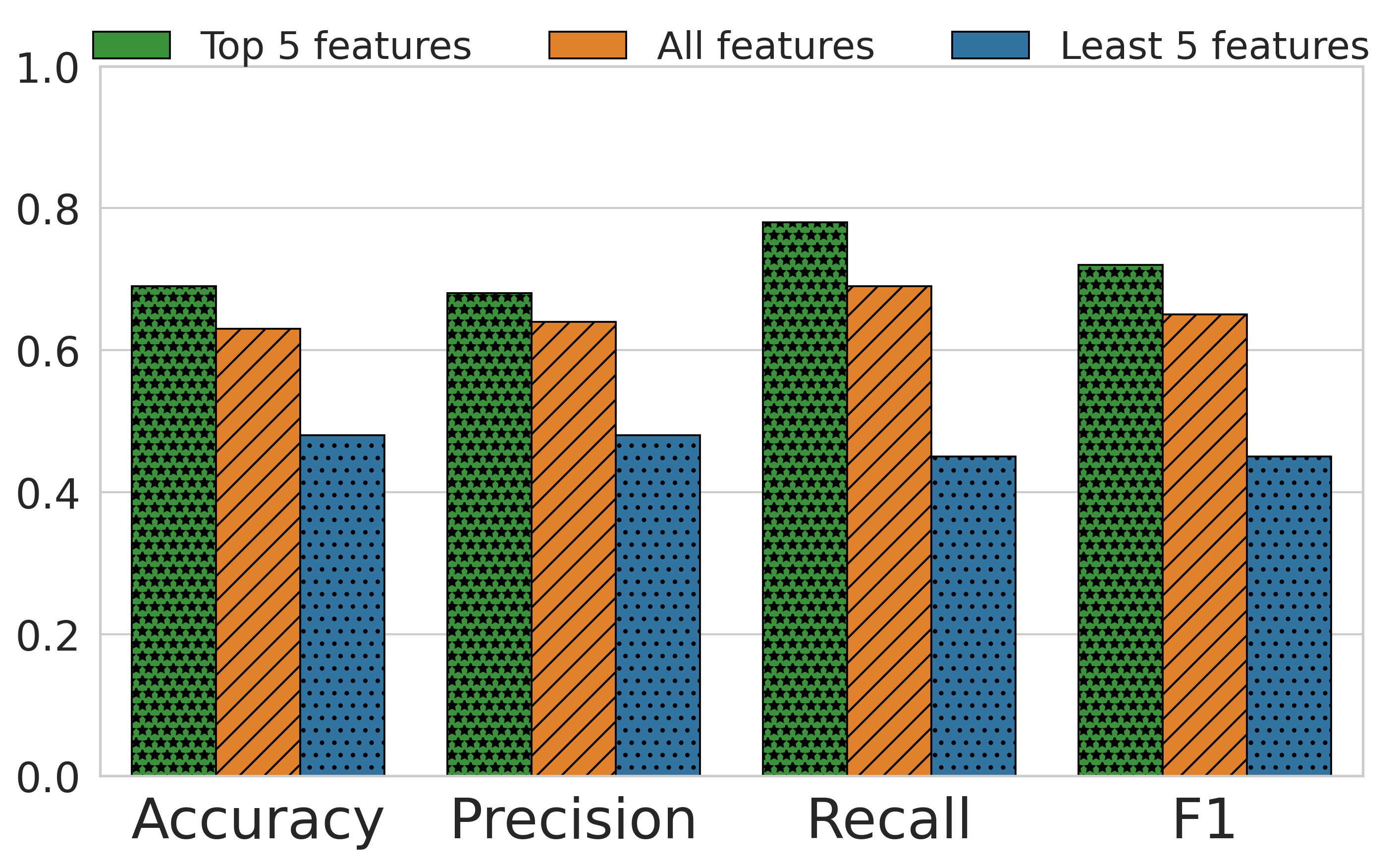
์Šค๋งˆํŠธ ํ™ˆ ๊ธฐ๋ฐ˜ ์š”๋กœ๊ฐ์—ผ ์กฐ๊ธฐ ํƒ์ง€๋ฅผ ์œ„ํ•œ ๋ถˆํ™•์‹ค์„ฑ ์ธ์‹ ์ž„์ƒ ์ง€์› ์‹œ์Šคํ…œ

์Šค๋งˆํŠธ ํ™ˆ ๊ธฐ๋ฐ˜ ์š”๋กœ๊ฐ์—ผ ์กฐ๊ธฐ ํƒ์ง€๋ฅผ ์œ„ํ•œ ๋ถˆํ™•์‹ค์„ฑ ์ธ์‹ ์ž„์ƒ ์ง€์› ์‹œ์Šคํ…œ

Urinary tract infection (UTI) flare-ups pose a significant health risk for older adults with chronic conditions. These infections often go unnoticed until they become severe, making early detection through innovative smart home technologies crucial.

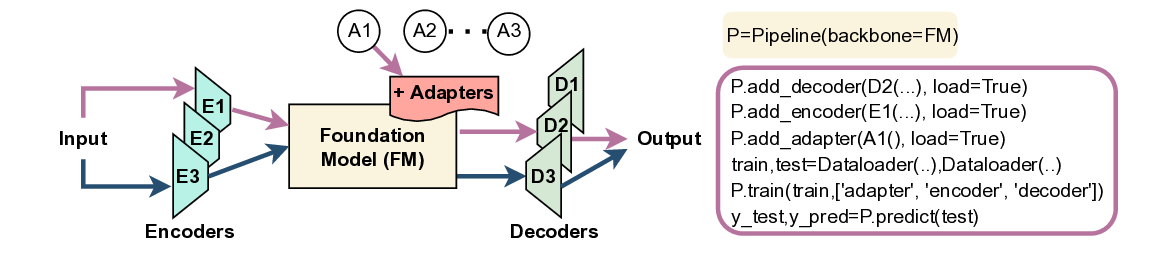
์Šคํƒ ํฌ๋“œ ์ˆ˜๋ฉด ๋ฒค์น˜๋งˆํฌ ๋Œ€๊ทœ๋ชจ PSG ๋ฐ์ดํ„ฐ์™€ ์ž๊ธฐ์ง€๋„ ํ•™์Šต ๊ธฐ๋ฐ˜ ์ˆ˜๋ฉด ๋ถ„์„ ํ˜์‹ 

์Šคํƒ ํฌ๋“œ ์ˆ˜๋ฉด ๋ฒค์น˜๋งˆํฌ ๋Œ€๊ทœ๋ชจ PSG ๋ฐ์ดํ„ฐ์™€ ์ž๊ธฐ์ง€๋„ ํ•™์Šต ๊ธฐ๋ฐ˜ ์ˆ˜๋ฉด ๋ถ„์„ ํ˜์‹ 

Polysomnography (PSG), the gold standard test for sleep analysis, generates vast amounts of multimodal clinical data, presenting an opportunity to leverage self-supervised representation learning (SSRL) for pre-training foundation models to enhance s

์‹œ๊ฐ ์ฆ๊ฐ• ์‚ฌ์œ  ์‚ฌ์Šฌ: ์ถ”๋ก  ๋‹จ๊ณ„์—์„œ ๋™์  ์ด๋ฏธ์ง€ ๋ณ€ํ™˜์œผ๋กœ VLM ๊ฒฌ๊ณ ์„ฑ ๊ฐ•ํ™”

์‹œ๊ฐ ์ฆ๊ฐ• ์‚ฌ์œ  ์‚ฌ์Šฌ: ์ถ”๋ก  ๋‹จ๊ณ„์—์„œ ๋™์  ์ด๋ฏธ์ง€ ๋ณ€ํ™˜์œผ๋กœ VLM ๊ฒฌ๊ณ ์„ฑ ๊ฐ•ํ™”

While visual data augmentation remains a cornerstone for training robust vision models, it has received limited attention in visual language models (VLMs), which predominantly rely on large-scale real data acquisition or synthetic diversity. Conseque

์‹œ๊ฐ ์ฝ˜ํ…์ธ  ๊ธฐ์–ต๋ ฅ ๋ชจ๋ธ๋ง์„ ์œ„ํ•œ ๋Œ€๊ทœ๋ชจ ๋น„์ง€๋„ ๋ฐ์ดํ„ฐ์…‹ ๋ฐ ๋ฉ€ํ‹ฐ๋ชจ๋‹ฌ ToT ๊ฒ€์ƒ‰

์‹œ๊ฐ ์ฝ˜ํ…์ธ  ๊ธฐ์–ต๋ ฅ ๋ชจ๋ธ๋ง์„ ์œ„ํ•œ ๋Œ€๊ทœ๋ชจ ๋น„์ง€๋„ ๋ฐ์ดํ„ฐ์…‹ ๋ฐ ๋ฉ€ํ‹ฐ๋ชจ๋‹ฌ ToT ๊ฒ€์ƒ‰

Visual content memorability has intrigued the scientific community for decades, with applications ranging widely, from understanding nuanced aspects of human memory to enhancing content design. A significant challenge in progressing the field lies in

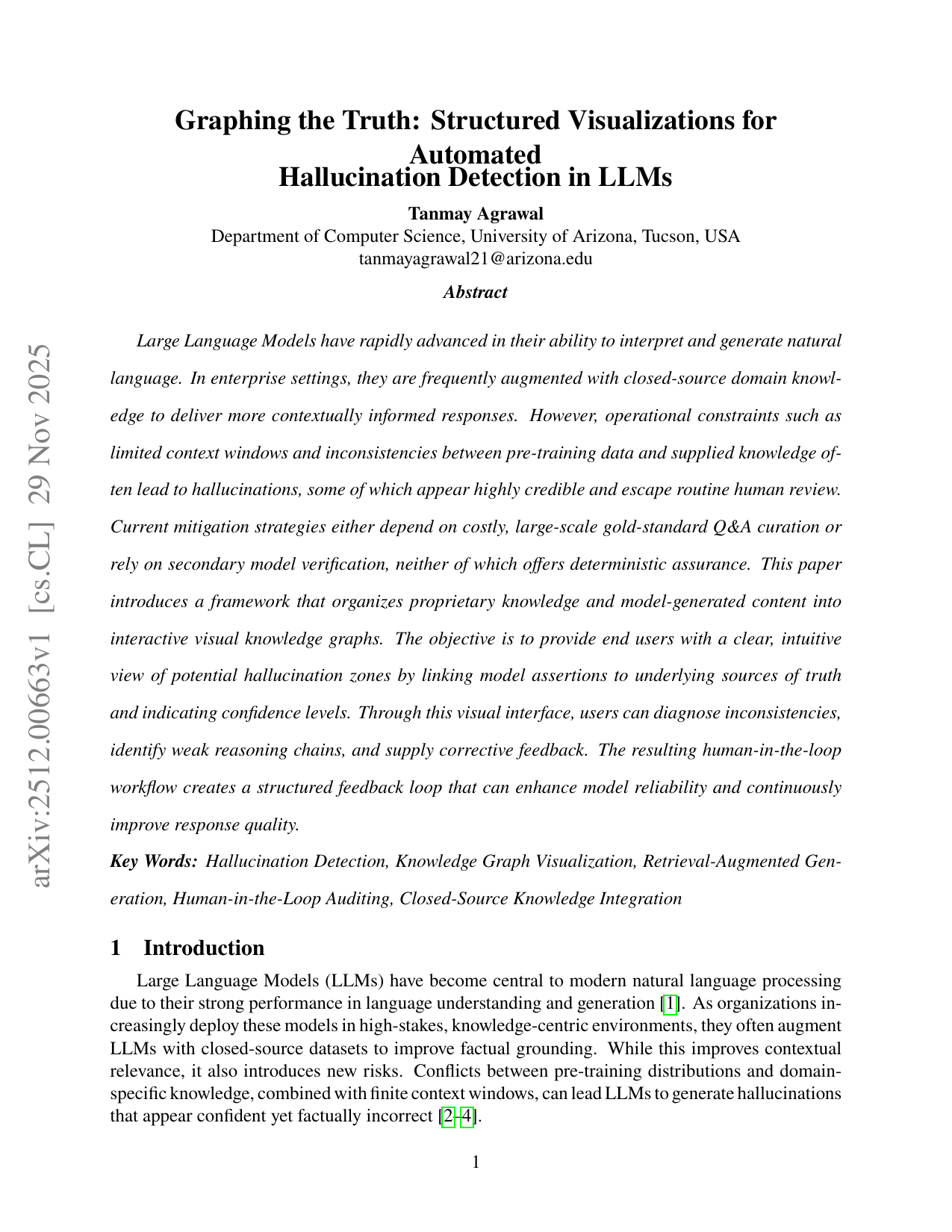
์‹œ๊ฐ์  ์ง€์‹ ๊ทธ๋ž˜ํ”„๋ฅผ ํ™œ์šฉํ•œ ๋Œ€ํ˜• ์–ธ์–ด ๋ชจ๋ธ ํ™˜๊ฐ ํƒ์ง€ ๋ฐ ์ธ๊ฐ„โ€‘์ธโ€‘๋ฃจํ”„ ํ”ผ๋“œ๋ฐฑ ํ”„๋ ˆ์ž„์›Œํฌ

์‹œ๊ฐ์  ์ง€์‹ ๊ทธ๋ž˜ํ”„๋ฅผ ํ™œ์šฉํ•œ ๋Œ€ํ˜• ์–ธ์–ด ๋ชจ๋ธ ํ™˜๊ฐ ํƒ์ง€ ๋ฐ ์ธ๊ฐ„โ€‘์ธโ€‘๋ฃจํ”„ ํ”ผ๋“œ๋ฐฑ ํ”„๋ ˆ์ž„์›Œํฌ

Large Language Models have rapidly advanced in their ability to interpret and generate natural language. In enterprise settings, they are frequently augmented with closed-source domain knowledge to deliver more contextually informed responses. Howeve

์‹ ๊ฒฝ ์˜๊ฐํ˜• ์œ„์ƒ ์ •๊ทœํ™”๊ฐ€ ๋ฉ€ํ‹ฐ๋ชจ๋‹ฌ ๋น„์ „โ€‘์–ธ์–ด ๋ชจ๋ธ์˜ ํ”„๋ผ์ด๋ฒ„์‹œ ๋ฐฉ์–ด๋ ฅ์„ ๊ฐ•ํ™”ํ•œ๋‹ค

์‹ ๊ฒฝ ์˜๊ฐํ˜• ์œ„์ƒ ์ •๊ทœํ™”๊ฐ€ ๋ฉ€ํ‹ฐ๋ชจ๋‹ฌ ๋น„์ „โ€‘์–ธ์–ด ๋ชจ๋ธ์˜ ํ”„๋ผ์ด๋ฒ„์‹œ ๋ฐฉ์–ด๋ ฅ์„ ๊ฐ•ํ™”ํ•œ๋‹ค

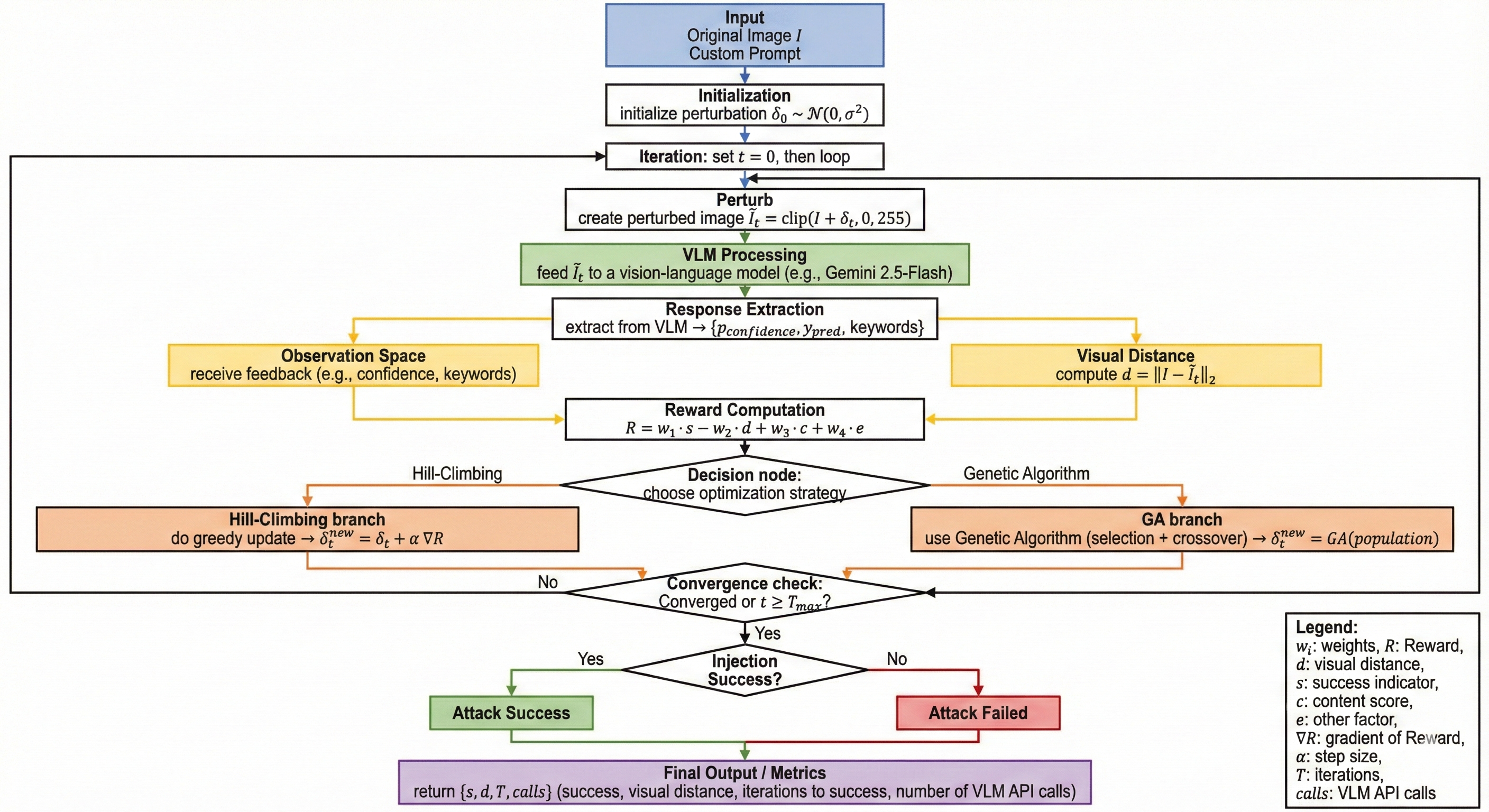
In the age of agentic AI, the growing deployment of multi-modal models (MMs) has introduced new attack vectors that can leak sensitive training data in MMs, causing privacy leakage. This paper investigates a black-box privacy attack, i.e., membership

์•ก์…˜ํ”Œ๋กœ์šฐ: ์—ฃ์ง€ ๋กœ๋ด‡์„ ์œ„ํ•œ ์ดˆ๊ณ ์† ๋น„์ „โ€‘์–ธ์–ดโ€‘์•ก์…˜ ์ถ”๋ก  ํ”„๋ ˆ์ž„์›Œํฌ

์•ก์…˜ํ”Œ๋กœ์šฐ: ์—ฃ์ง€ ๋กœ๋ด‡์„ ์œ„ํ•œ ์ดˆ๊ณ ์† ๋น„์ „โ€‘์–ธ์–ดโ€‘์•ก์…˜ ์ถ”๋ก  ํ”„๋ ˆ์ž„์›Œํฌ

Vision-Language-Action (VLA) models have emerged as a unified paradigm for robotic perception and control, enabling emergent generalization and long-horizon task execution. However, their deployment in dynamic, real-world environments is severely hin

์—์ด์ „ํŠธ ์‹œ์Šคํ…œ ์Šค์ผ€์ผ๋ง ์›๋ฆฌ ๋‹ค์ค‘ ์—์ด์ „ํŠธ ํ˜‘์—…๊ณผ ๋ชจ๋ธ ๋Šฅ๋ ฅ์˜ ์ •๋Ÿ‰์  ๋ถ„์„

์—์ด์ „ํŠธ ์‹œ์Šคํ…œ ์Šค์ผ€์ผ๋ง ์›๋ฆฌ ๋‹ค์ค‘ ์—์ด์ „ํŠธ ํ˜‘์—…๊ณผ ๋ชจ๋ธ ๋Šฅ๋ ฅ์˜ ์ •๋Ÿ‰์  ๋ถ„์„

Agents, language model (LM)-based systems that are capable of reasoning, planning, and acting are becoming the dominant paradigm for real-world AI applications. Despite this widespread adoption, the principles that determine their performance remain

์˜ˆ์‚ฐ ์ œ์•ฝ ํ•˜ ๋น„์šฉ ํšจ์œจ์ ์ธ ๋‹ค์ค‘ ์—์ด์ „ํŠธ ์‹œ์Šคํ…œ ์„ค๊ณ„์™€ AgentBalance ํ”„๋ ˆ์ž„์›Œํฌ

์˜ˆ์‚ฐ ์ œ์•ฝ ํ•˜ ๋น„์šฉ ํšจ์œจ์ ์ธ ๋‹ค์ค‘ ์—์ด์ „ํŠธ ์‹œ์Šคํ…œ ์„ค๊ณ„์™€ AgentBalance ํ”„๋ ˆ์ž„์›Œํฌ

Large Language Model (LLM)-based multi-agent systems (MAS) have become indispensable building blocks for web-scale applications (e.g., web search, social network analytics, online customer support), with cost-effectiveness becoming the primary constr

< Category Statistics (Total: 4634) >

General Relativity
1
HEP-EX
3
HEP-PH
2
HEP-TH
2
MATH-PH
5
NUCL-EX
5
Quantum Physics
7
Research
3632

Start searching

Enter keywords to search articles

โ†‘โ†“
โ†ต
ESC
โŒ˜K Shortcut