Research

All posts under category "Research"

2639 posts total
Sorted by date
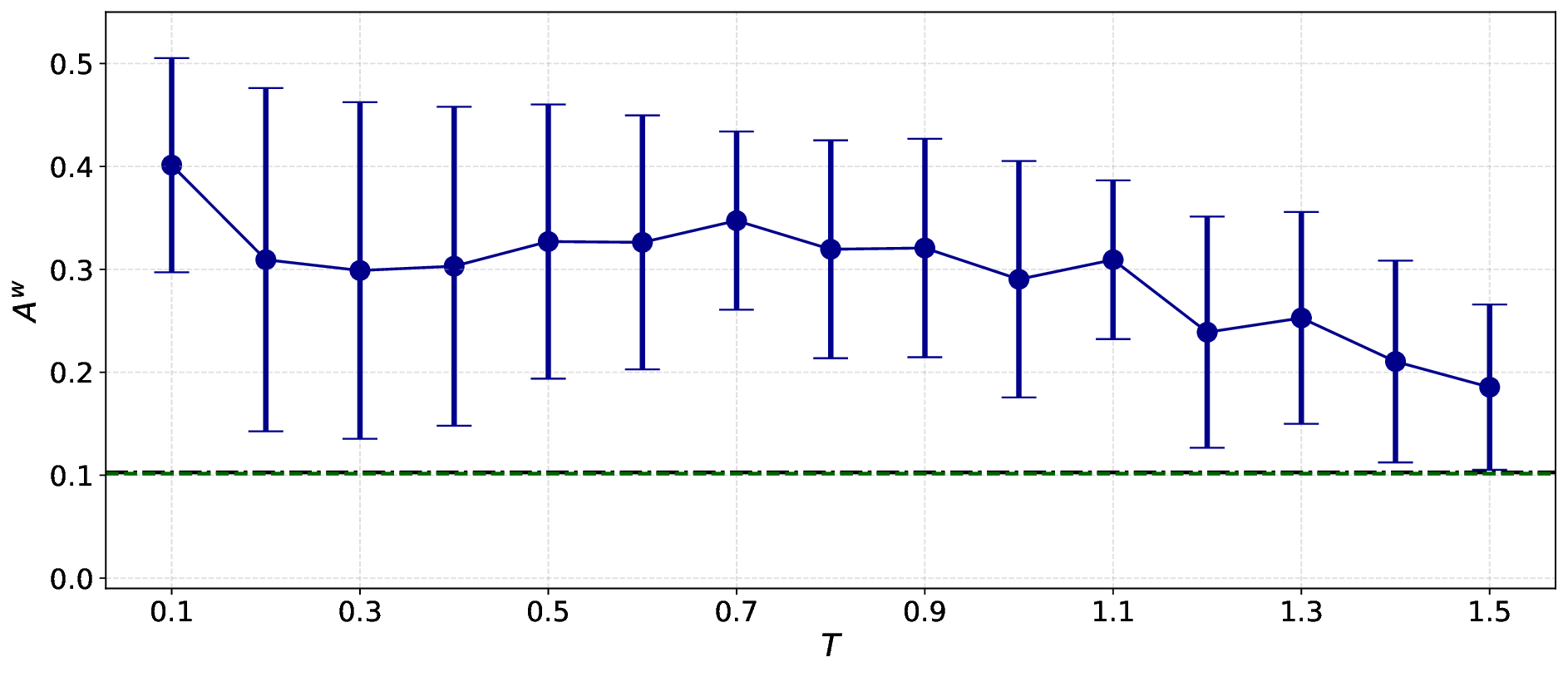
๋…ธ์ด์ฆˆ๊ฐ€ ๋งŽ์€ ์›์ž ์‹œ๋ฎฌ๋ ˆ์ด์…˜์„ ์œ„ํ•œ ๋กœ๊ทธํ™•๋ฅ  ๊ธฐ๋ฐ˜ ํ†ตํ•ฉ ์œ„์ƒ ๋ถ„๋ฅ˜ ๋ฐ ๊ฒฐํ•จ ์ •๋Ÿ‰ํ™” ๋ชจ๋ธ

๋…ธ์ด์ฆˆ๊ฐ€ ๋งŽ์€ ์›์ž ์‹œ๋ฎฌ๋ ˆ์ด์…˜์„ ์œ„ํ•œ ๋กœ๊ทธํ™•๋ฅ  ๊ธฐ๋ฐ˜ ํ†ตํ•ฉ ์œ„์ƒ ๋ถ„๋ฅ˜ ๋ฐ ๊ฒฐํ•จ ์ •๋Ÿ‰ํ™” ๋ชจ๋ธ

Atomistic simulations generate large volumes of noisy structural data, but extracting phase labels, order parameters (OPs), and defect information in a way that is universal, robust, and interpretable remains challenging. Existing tools such as PTM a

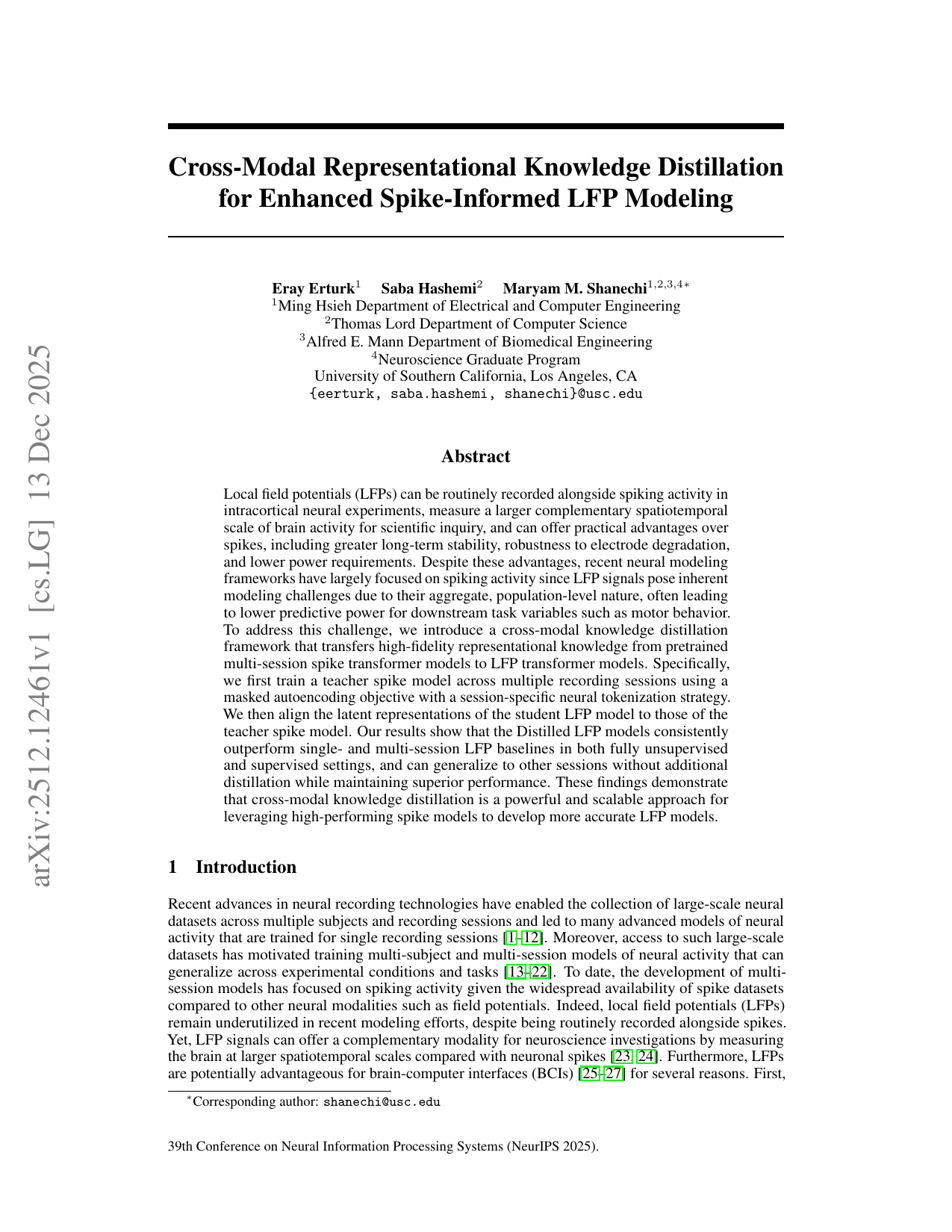
๋‡Œ์ „์œ„์™€ ์ŠคํŒŒ์ดํฌ๋ฅผ ์—ฐ๊ฒฐํ•˜๋Š” ๊ต์ฐจ ๋ชจ๋‹ฌ ์ง€์‹ ์ฆ๋ฅ˜: ๋‹ค์„ธ์…˜ LFP ๋ณ€ํ™˜๊ธฐ ๋ชจ๋ธ์˜ ์„ฑ๋Šฅ ํ–ฅ์ƒ

๋‡Œ์ „์œ„์™€ ์ŠคํŒŒ์ดํฌ๋ฅผ ์—ฐ๊ฒฐํ•˜๋Š” ๊ต์ฐจ ๋ชจ๋‹ฌ ์ง€์‹ ์ฆ๋ฅ˜: ๋‹ค์„ธ์…˜ LFP ๋ณ€ํ™˜๊ธฐ ๋ชจ๋ธ์˜ ์„ฑ๋Šฅ ํ–ฅ์ƒ

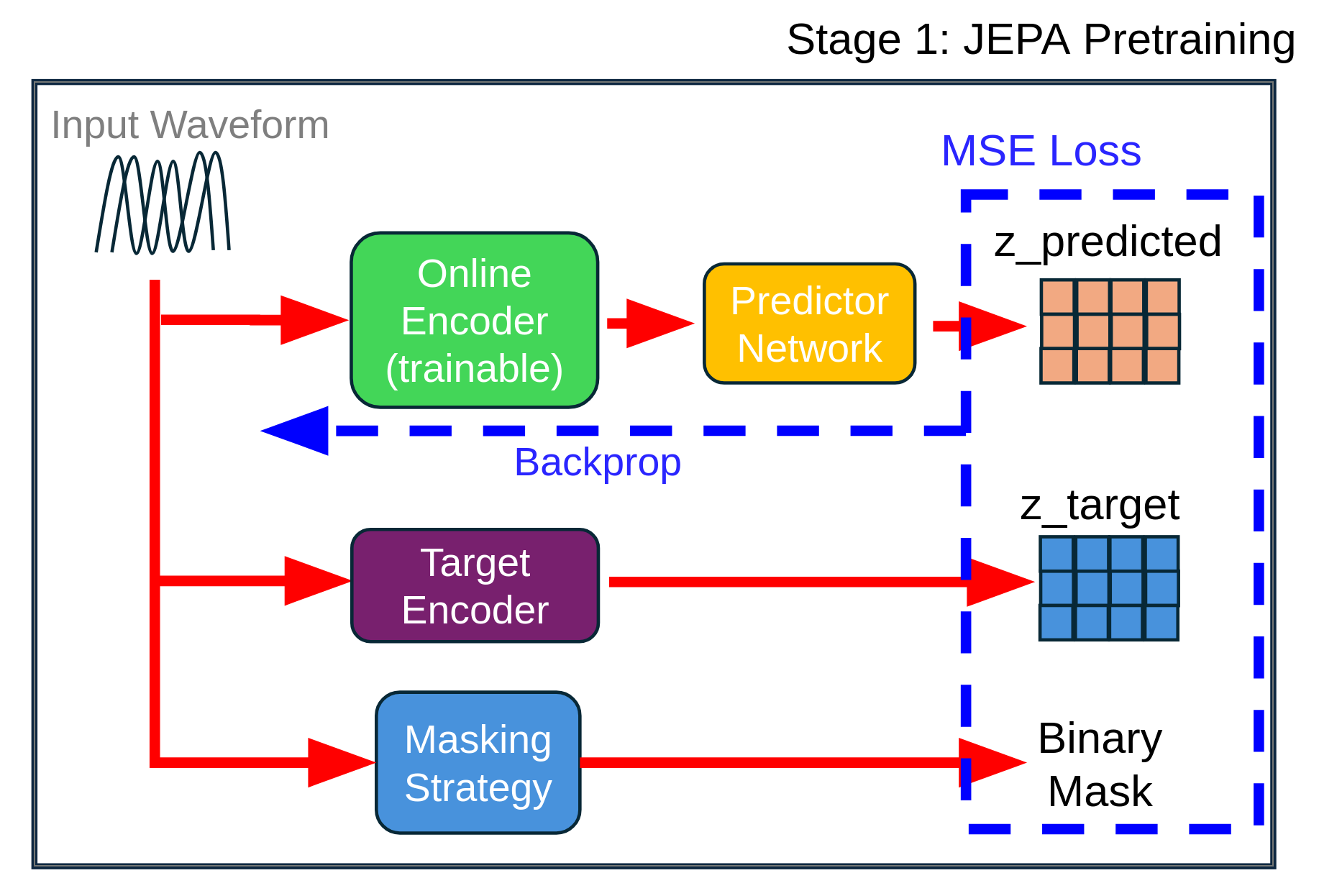
Local field potentials (LFPs) can be routinely recorded alongside spiking activity in intracortical neural experiments, measure a larger complementary spatiotemporal scale of brain activity for scientific inquiry, and can offer practical advantages o
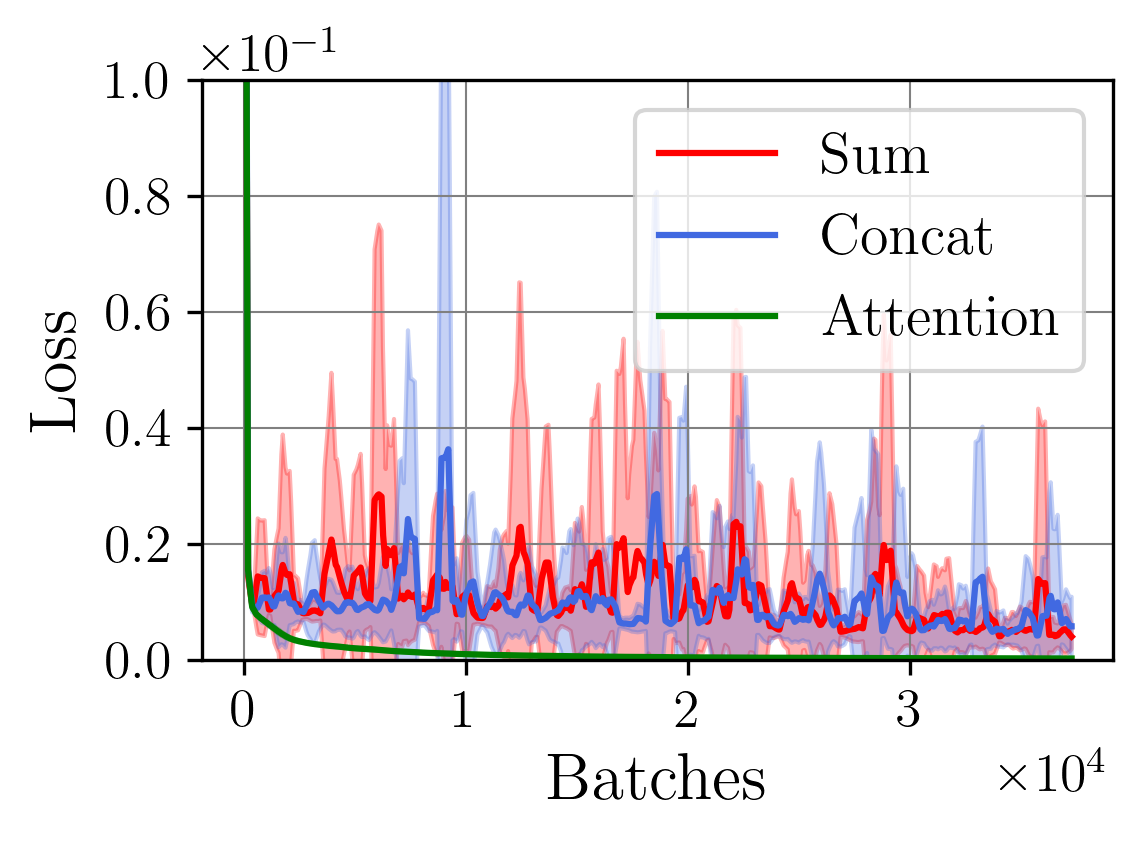
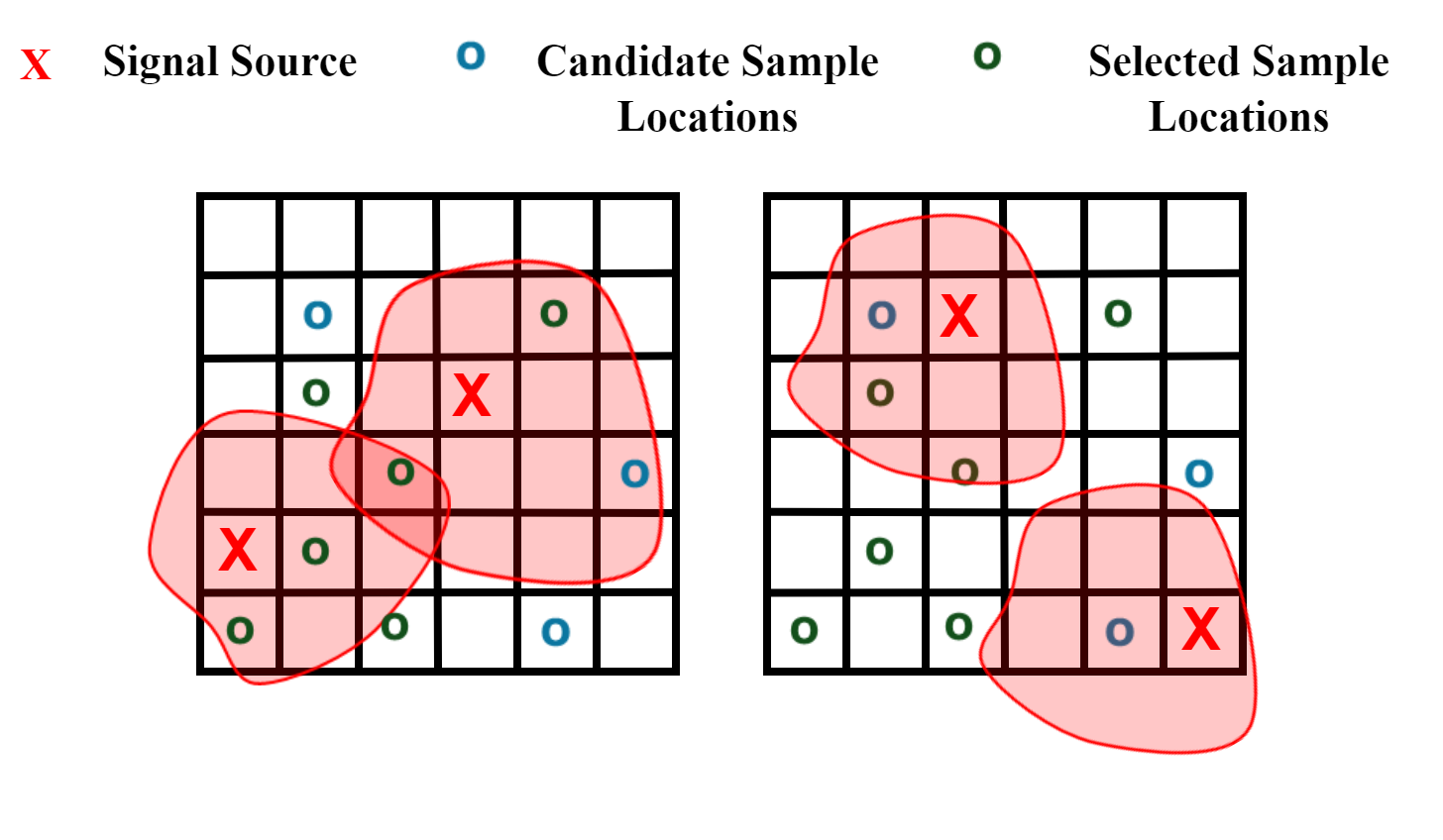
๋‹ค์ค‘ ์†ก์‹ ๊ธฐ ํ™˜๊ฒฝ์—์„œ ๋ฌด์„  ์‹ ํ˜ธ ๊ฐ•๋„ ์ง€๋„ ์žฌ๊ตฌ์„ฑ์„ ์œ„ํ•œ ๋ฌผ๋ฆฌ ๊ธฐ๋ฐ˜ ์‹ ๊ฒฝ๋ง

๋‹ค์ค‘ ์†ก์‹ ๊ธฐ ํ™˜๊ฒฝ์—์„œ ๋ฌด์„  ์‹ ํ˜ธ ๊ฐ•๋„ ์ง€๋„ ์žฌ๊ตฌ์„ฑ์„ ์œ„ํ•œ ๋ฌผ๋ฆฌ ๊ธฐ๋ฐ˜ ์‹ ๊ฒฝ๋ง

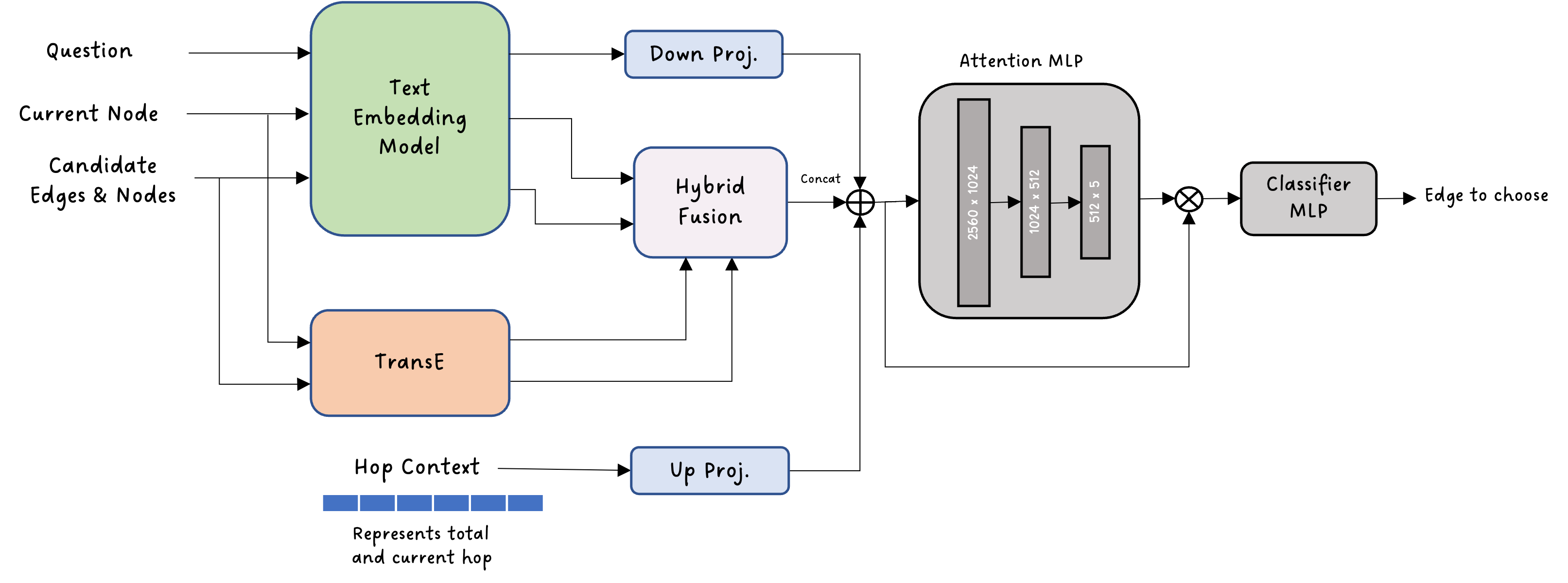
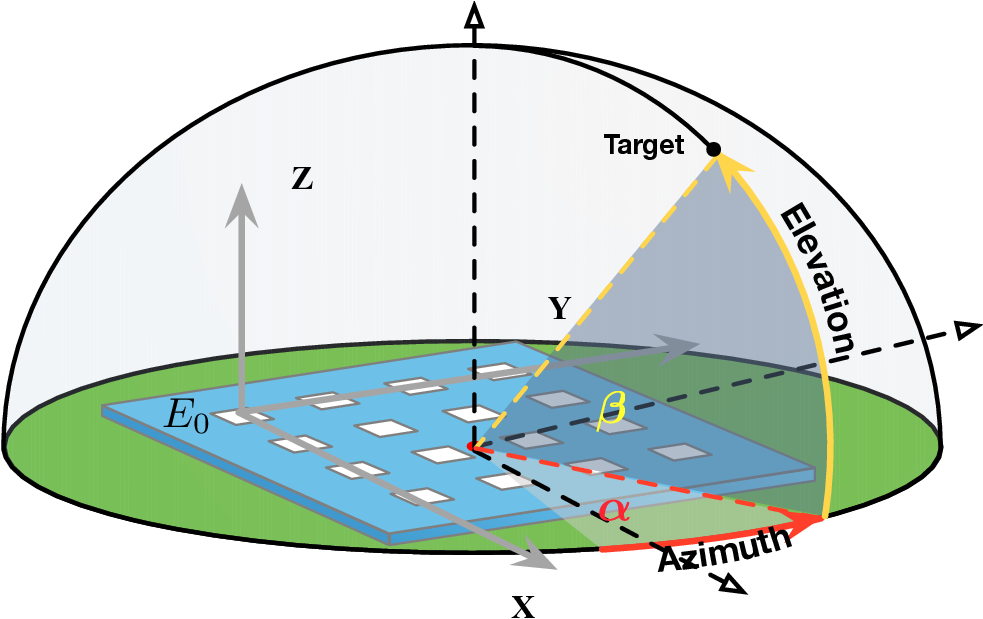
Accurately mapping the radio environment (e.g., identifying wireless signal strength at specific frequency bands and geographic locations) is crucial for efficient spectrum sharing, enabling Secondary Users (SUs) to access underutilized spectrum band

๋‹ค์ค‘ ์Šค์ผ€์ผ ํ๋ฆ„ ๋งค์นญ ๊ธฐ๋ฐ˜ ํฌ์ธํŠธ ํด๋ผ์šฐ๋“œ ์ƒ์„ฑ ํ”„๋ ˆ์ž„์›Œํฌ MFM ํฌ์ธํŠธ

๋‹ค์ค‘ ์Šค์ผ€์ผ ํ๋ฆ„ ๋งค์นญ ๊ธฐ๋ฐ˜ ํฌ์ธํŠธ ํด๋ผ์šฐ๋“œ ์ƒ์„ฑ ํ”„๋ ˆ์ž„์›Œํฌ MFM ํฌ์ธํŠธ

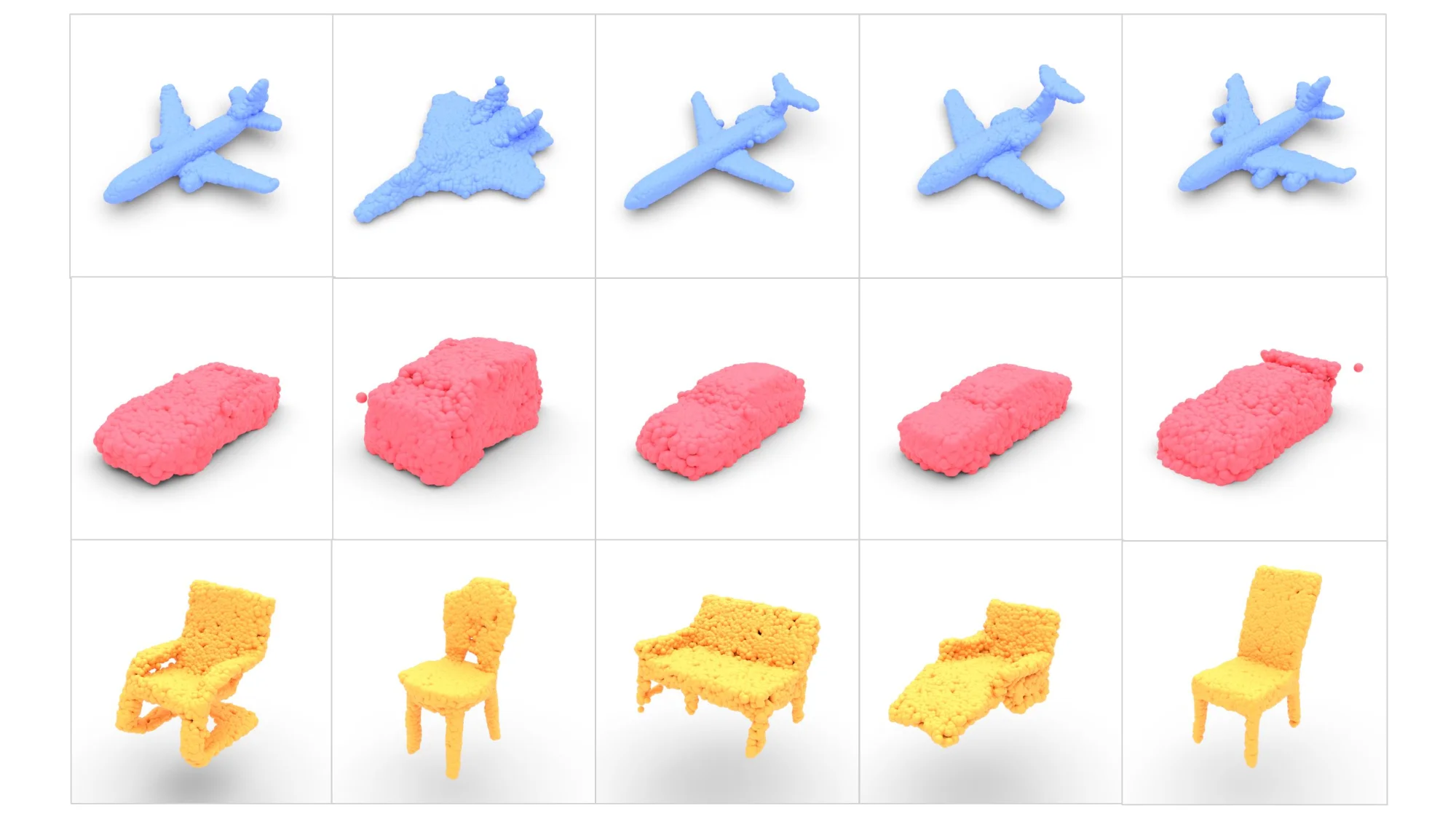
In recent years, point cloud generation has gained significant attention in 3D generative modeling. Among existing approaches, point-based methods directly generate point clouds without relying on other representations such as latent features, meshes

๋‹ค์ค‘ ์—์ด์ „ํŠธ ํ˜‘์—…์„ ์œ„ํ•œ ๋ฉ”์ปค๋‹ˆ์ฆ˜ ๊ธฐ๋ฐ˜ ์ธํ…”๋ฆฌ์ „์Šค์™€ ์ฐจ๋ณ„๊ฐ€๋Šฅ ๊ฐ€๊ฒฉ ๋ฉ”์ปค๋‹ˆ์ฆ˜

๋‹ค์ค‘ ์—์ด์ „ํŠธ ํ˜‘์—…์„ ์œ„ํ•œ ๋ฉ”์ปค๋‹ˆ์ฆ˜ ๊ธฐ๋ฐ˜ ์ธํ…”๋ฆฌ์ „์Šค์™€ ์ฐจ๋ณ„๊ฐ€๋Šฅ ๊ฐ€๊ฒฉ ๋ฉ”์ปค๋‹ˆ์ฆ˜

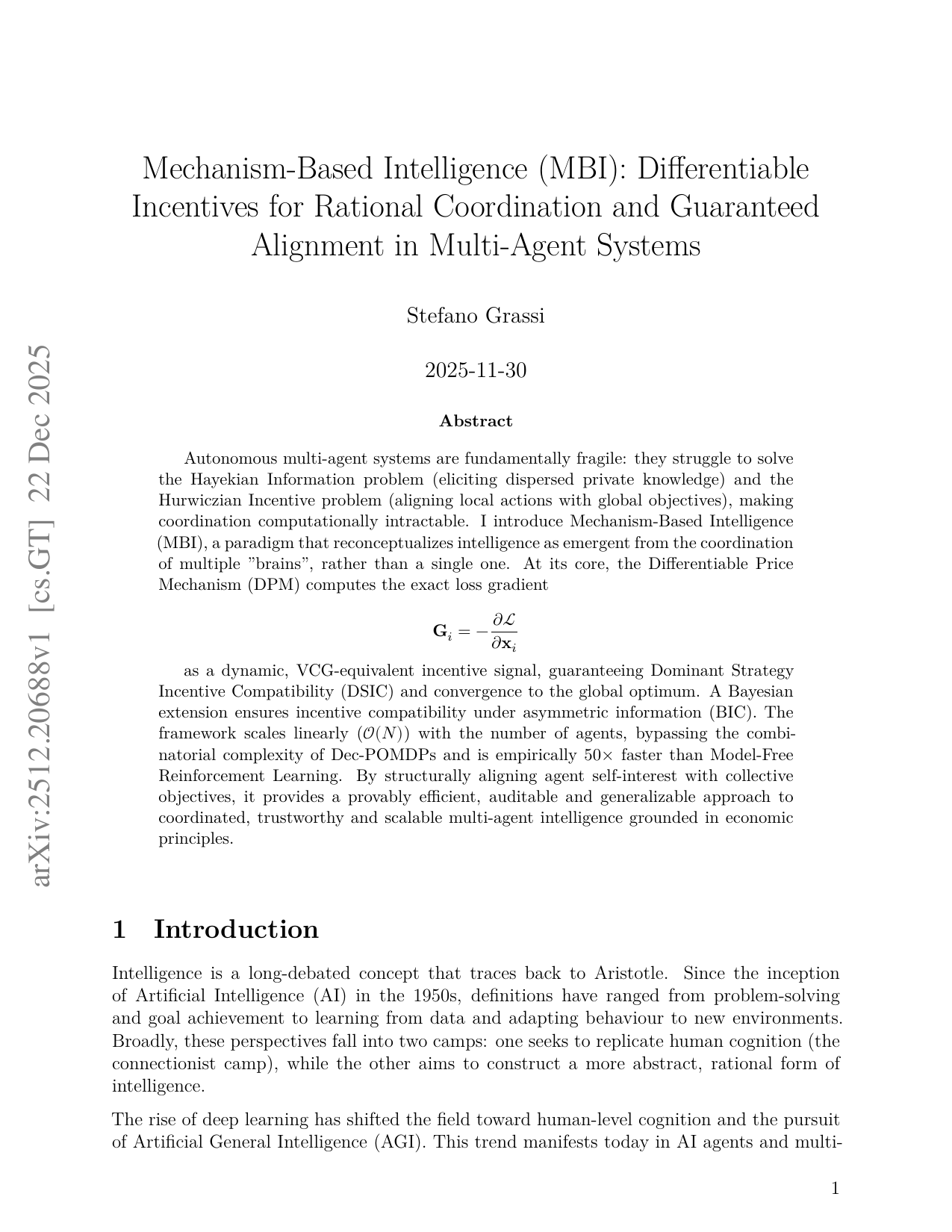
Autonomous multi-agent systems are fundamentally fragile: they struggle to solve the Hayekian Information problem (eliciting dispersed private knowledge) and the Hurwiczian Incentive problem (aligning local actions with global objectives), making coo

๋‹ค์ค‘๊ณผ์ œ ํ•™์Šต์œผ๋กœ ๊ตฌํ˜„ํ•œ ํˆฌ๋ช…ํ•œ ๋…์„ฑ ์˜ˆ์ธก ํฌ์†Œ ์–ดํ…์…˜ ๊ธฐ๋ฐ˜ ๋ถ„์ž ์กฐ๊ฐ ํ•ด์„

๋‹ค์ค‘๊ณผ์ œ ํ•™์Šต์œผ๋กœ ๊ตฌํ˜„ํ•œ ํˆฌ๋ช…ํ•œ ๋…์„ฑ ์˜ˆ์ธก ํฌ์†Œ ์–ดํ…์…˜ ๊ธฐ๋ฐ˜ ๋ถ„์ž ์กฐ๊ฐ ํ•ด์„

Reliable in silico molecular toxicity prediction is a cornerstone of modern drug discovery, offering a scalable alternative to experimental screening. However, the black-box nature of state-of-the-art models remains a significant barrier to adoption,
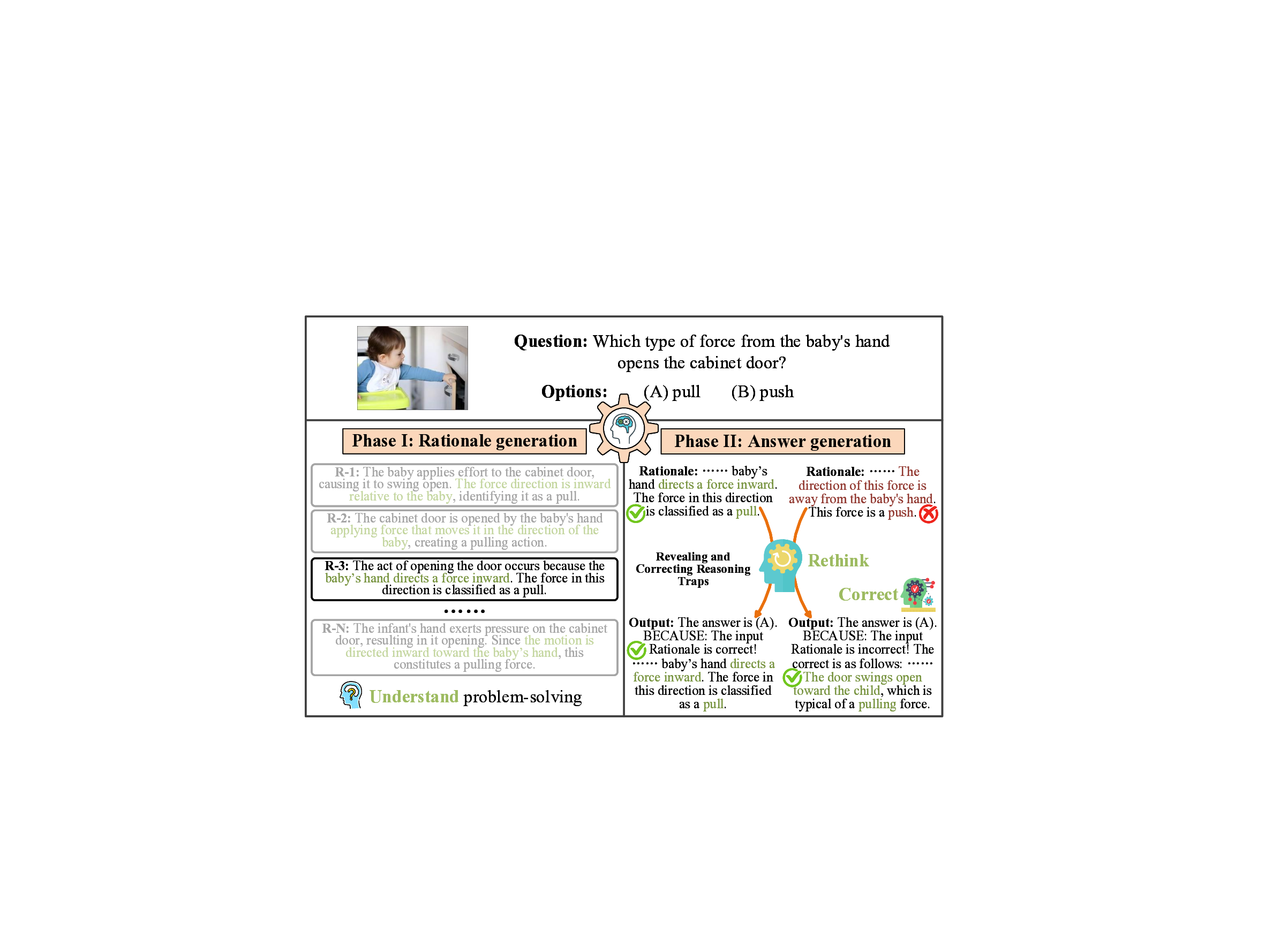
๋‹ค์ค‘ํŒจํ„ด ๊ฐ•ํ™”ํ•™์Šต์œผ๋กœ ์‹œ๊ฐ์–ธ์–ดํ–‰๋™ ๋ชจ๋ธ์„ ์œ„ํ•œ ๋‹ค์–‘ํ•˜๊ณ  ํ™•์žฅ ๊ฐ€๋Šฅํ•œ ๋ฐ์ดํ„ฐ ์ƒ์„ฑ

๋‹ค์ค‘ํŒจํ„ด ๊ฐ•ํ™”ํ•™์Šต์œผ๋กœ ์‹œ๊ฐ์–ธ์–ดํ–‰๋™ ๋ชจ๋ธ์„ ์œ„ํ•œ ๋‹ค์–‘ํ•˜๊ณ  ํ™•์žฅ ๊ฐ€๋Šฅํ•œ ๋ฐ์ดํ„ฐ ์ƒ์„ฑ

Scaling vision-language-action (VLA) model pre-training requires large volumes of diverse, high-quality manipulation trajectories. Most current data is obtained via human teleoperation, which is expensive and difficult to scale. Reinforcement learnin

๋‹จ๋ฐฑ์งˆ ์–ธ์–ด ๋ชจ๋ธ์˜ ๋น ๋ฅธ ์ง€๋„ํ•™์Šต์œผ๋กœ ํšจ์œจ์ ์ธ ๋‹จ๋ฐฑ์งˆ ์„ค๊ณ„์™€ ํ˜์‹ ์  ์„œ์—ด ํƒ์ƒ‰

๋‹จ๋ฐฑ์งˆ ์–ธ์–ด ๋ชจ๋ธ์˜ ๋น ๋ฅธ ์ง€๋„ํ•™์Šต์œผ๋กœ ํšจ์œจ์ ์ธ ๋‹จ๋ฐฑ์งˆ ์„ค๊ณ„์™€ ํ˜์‹ ์  ์„œ์—ด ํƒ์ƒ‰

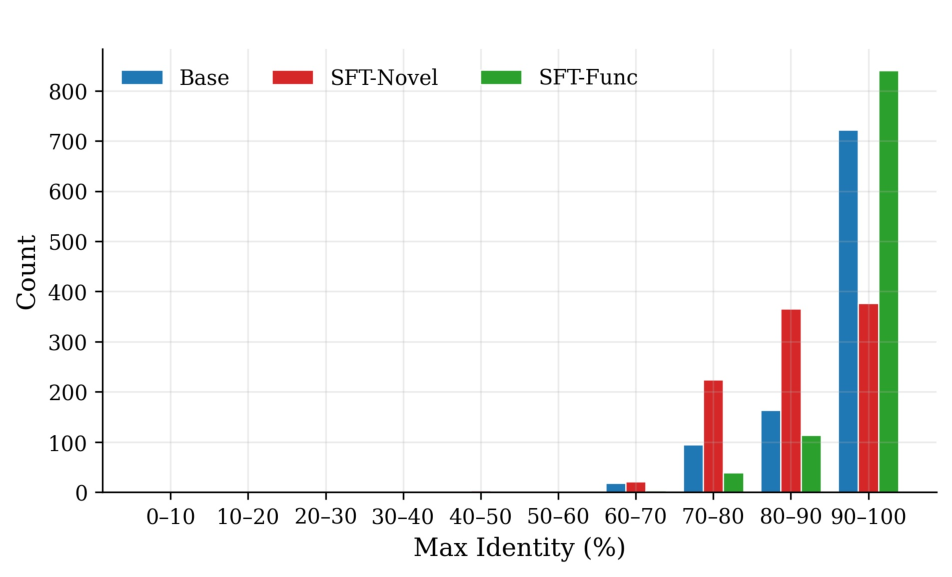
Supervised fine-tuning (SFT) is a standard approach for adapting large language models to specialized domains, yet its application to protein sequence modeling and protein language models (PLMs) remains ad hoc. This is in part because highquality ann

๋‹จ์ผ ์นด๋ฉ”๋ผ ์˜์ƒ์œผ๋กœ ๋ณด๋Š” ํƒ๊ตฌ๊ณต 3D ๊ถค์  ๋ฐ ์Šคํ•€ ์ถ”์ •์˜ ์ƒˆ๋กœ์šด ํŒŒ์ดํ”„๋ผ์ธ

๋‹จ์ผ ์นด๋ฉ”๋ผ ์˜์ƒ์œผ๋กœ ๋ณด๋Š” ํƒ๊ตฌ๊ณต 3D ๊ถค์  ๋ฐ ์Šคํ•€ ์ถ”์ •์˜ ์ƒˆ๋กœ์šด ํŒŒ์ดํ”„๋ผ์ธ

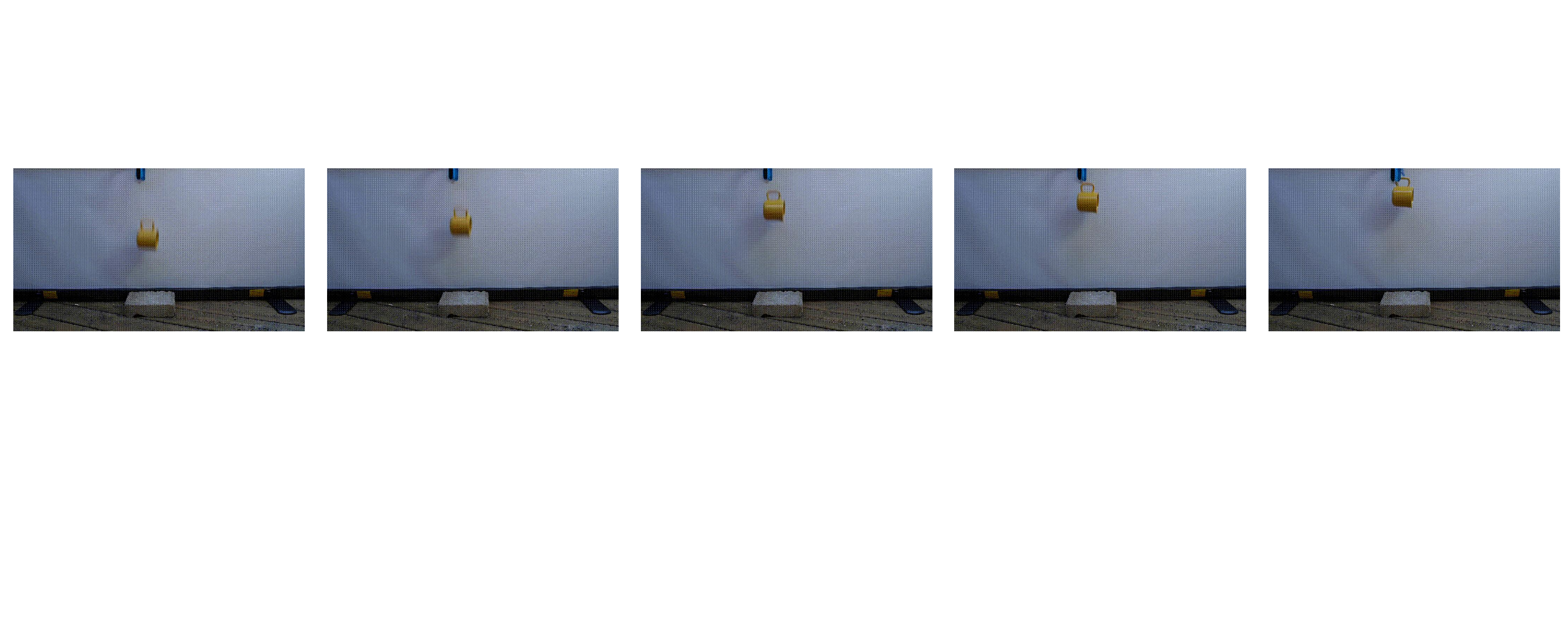
Obtaining the precise 3D motion of a table tennis ball from standard monocular videos is a challenging problem, as existing methods trained on synthetic data struggle to generalize to the noisy, imperfect ball and table detections of the real world.

๋Œ€ํ˜• ์–ธ์–ด ๋ชจ๋ธ์„ ์ด์šฉํ•œ ์ œ์˜ฌ๋ผ์ดํŠธ ํ•ฉ์„ฑ ์ ˆ์ฐจ ์ •๋ณด ์ถ”์ถœ ํ”„๋กฌํ”„ํŠธ ์ „๋žต ๋น„๊ต ์—ฐ๊ตฌ

๋Œ€ํ˜• ์–ธ์–ด ๋ชจ๋ธ์„ ์ด์šฉํ•œ ์ œ์˜ฌ๋ผ์ดํŠธ ํ•ฉ์„ฑ ์ ˆ์ฐจ ์ •๋ณด ์ถ”์ถœ ํ”„๋กฌํ”„ํŠธ ์ „๋žต ๋น„๊ต ์—ฐ๊ตฌ

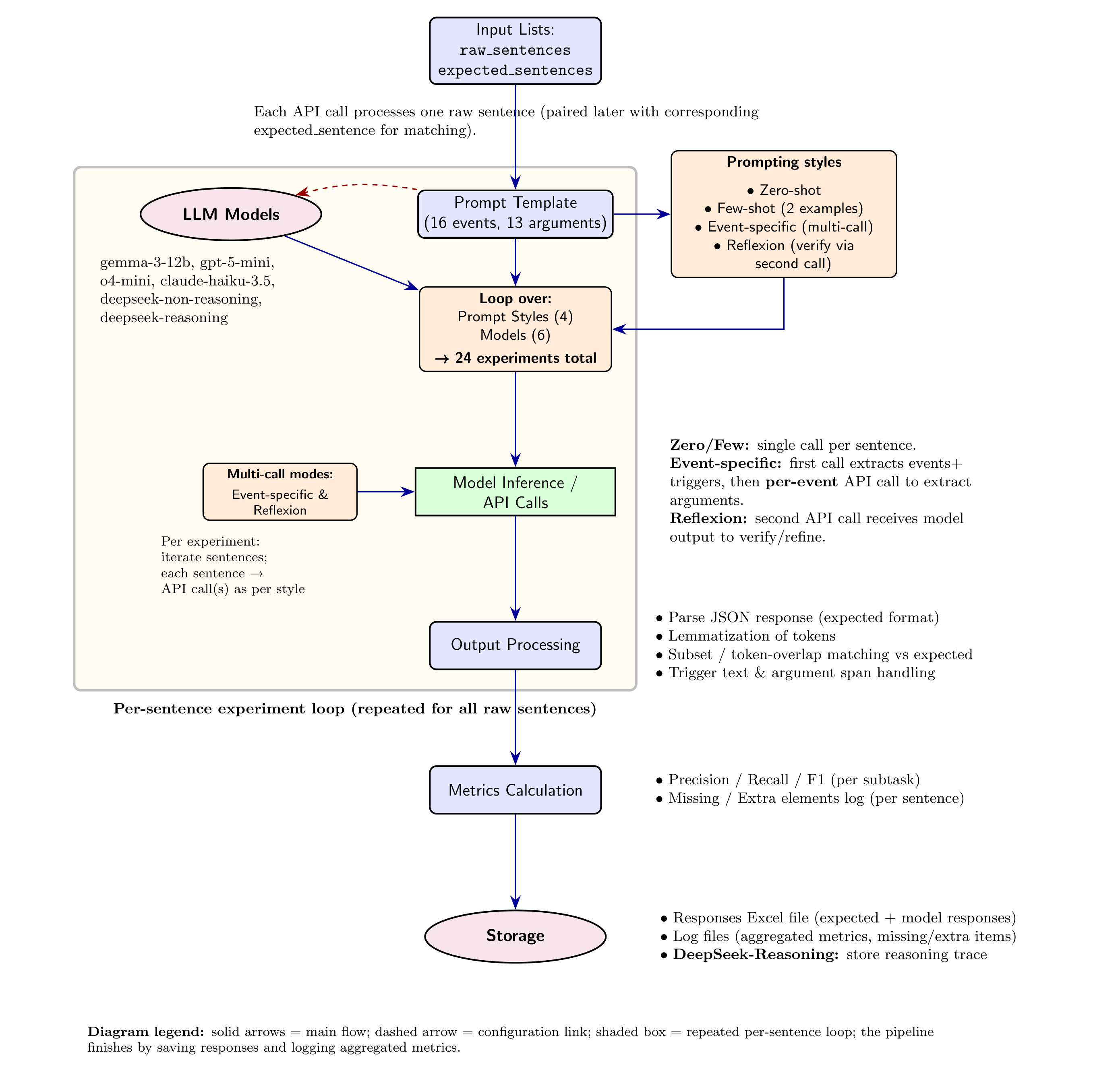
Extracting structured information from zeolite synthesis experimental procedures is critical for materials discovery, yet existing methods have not systematically evaluated Large Language Models (LLMs) for this domainspecific task. This work addresse

๋Œ€ํ˜• ์–ธ์–ด ๋ชจ๋ธ์ด ์†Œ์ˆ˜ ์ธ์ˆ˜ ๋ถ„ํ•ด ํŠธ๋ฆฌ ์‹œํ€€์Šค์˜ ๊ทœ์น™์„ฑ์„ ํ•™์Šตํ•  ์ˆ˜ ์žˆ์„๊นŒ

๋Œ€ํ˜• ์–ธ์–ด ๋ชจ๋ธ์ด ์†Œ์ˆ˜ ์ธ์ˆ˜ ๋ถ„ํ•ด ํŠธ๋ฆฌ ์‹œํ€€์Šค์˜ ๊ทœ์น™์„ฑ์„ ํ•™์Šตํ•  ์ˆ˜ ์žˆ์„๊นŒ

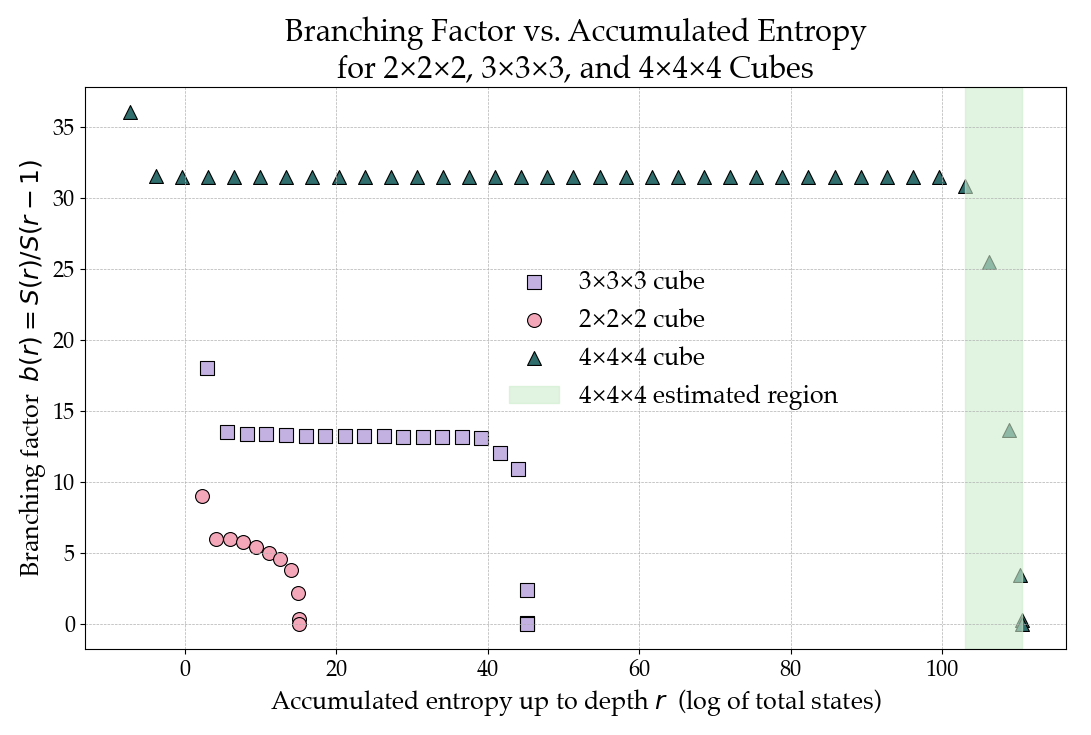
We study whether a Large Language Model can learn the deterministic sequence of trees generated by the iterated prime factorization of the natural numbers. Each integer is mapped into a rooted planar tree and the resulting sequence NT defines an arit

๋Œ€ํ™” ์™ธ๊ต๊ด€ ๋‹ค์ค‘ ์—์ด์ „ํŠธ ๊ฐ•ํ™”ํ•™์Šต ๊ธฐ๋ฐ˜ ๊ฐˆ๋“ฑ ํ•ด๊ฒฐ ๋ฐ ํ•ฉ์˜ ํ˜•์„ฑ ํ”„๋ ˆ์ž„์›Œํฌ

๋Œ€ํ™” ์™ธ๊ต๊ด€ ๋‹ค์ค‘ ์—์ด์ „ํŠธ ๊ฐ•ํ™”ํ•™์Šต ๊ธฐ๋ฐ˜ ๊ฐˆ๋“ฑ ํ•ด๊ฒฐ ๋ฐ ํ•ฉ์˜ ํ˜•์„ฑ ํ”„๋ ˆ์ž„์›Œํฌ

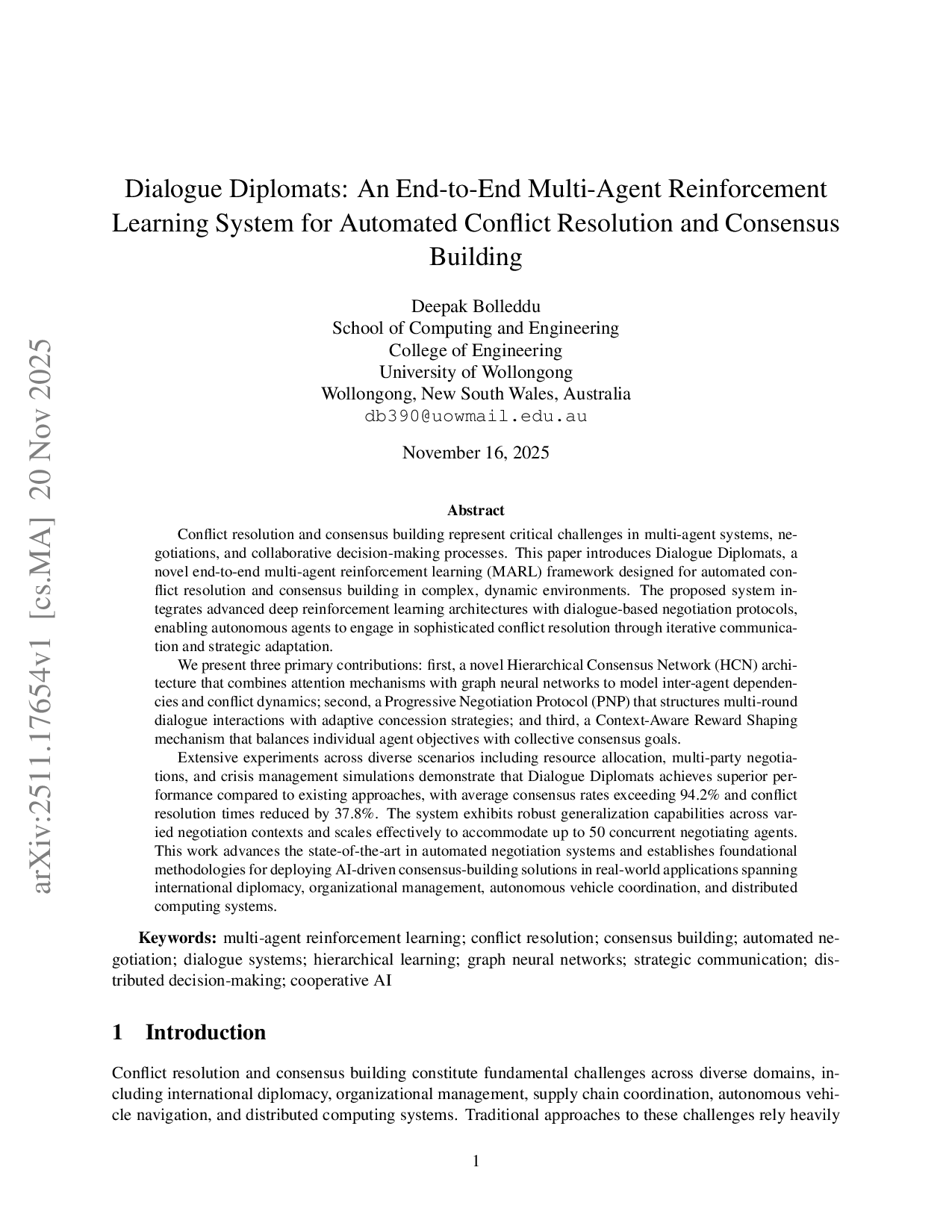
Conflict resolution and consensus building represent critical challenges in multi-agent systems, negotiations, and collaborative decision-making processes. This paper introduces Dialogue Diplomats, a novel end-to-end multi-agent reinforcement learnin

๋ฐ์ดํ„ฐ ๊ธฐ๋ฐ˜ ํžˆ์Šคํ…Œ๋ฆฌ์‹œ์Šค ๋ชจ๋ธ ์ž๋™ ์ถ”์ถœ์„ ์œ„ํ•œ ํ†ตํ•ฉ ๋‚ด๋ถ€ ๋ณ€์ˆ˜ ํ•™์Šต ๋ฐ ์‹ฌ๋ณผ๋ฆญ ํšŒ๊ท€ ํ”„๋ ˆ์ž„์›Œํฌ

๋ฐ์ดํ„ฐ ๊ธฐ๋ฐ˜ ํžˆ์Šคํ…Œ๋ฆฌ์‹œ์Šค ๋ชจ๋ธ ์ž๋™ ์ถ”์ถœ์„ ์œ„ํ•œ ํ†ตํ•ฉ ๋‚ด๋ถ€ ๋ณ€์ˆ˜ ํ•™์Šต ๋ฐ ์‹ฌ๋ณผ๋ฆญ ํšŒ๊ท€ ํ”„๋ ˆ์ž„์›Œํฌ

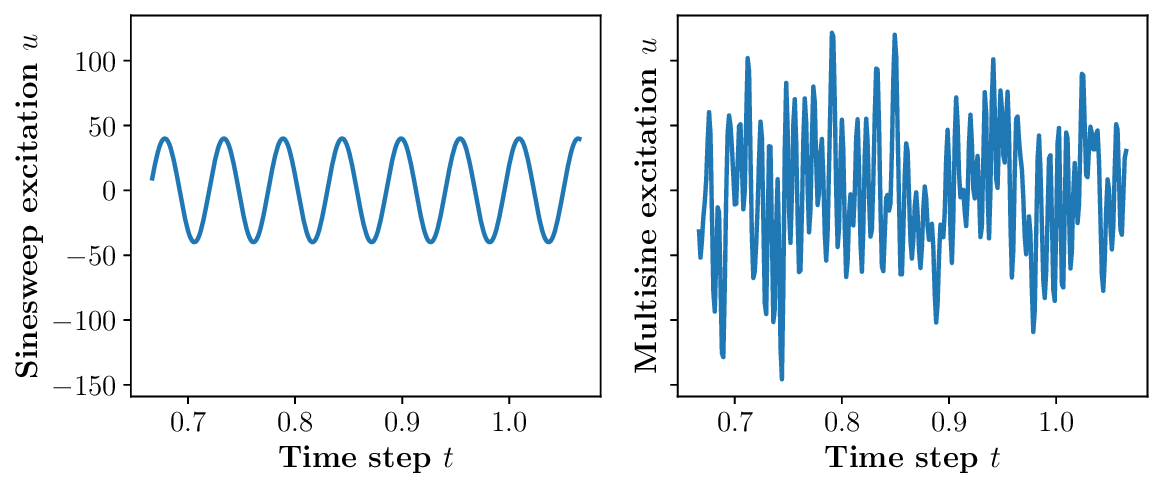
Hysteresis is a nonlinear phenomenon with memory effects, where a system's output depends on both its current state and past states. It is prevalent in various physical and mechanical systems, such as yielding structures under seismic excitation, fer

๋“€์–ผ๊ฒŒ์ด์ง€ LLM ๊ธฐ๋ฐ˜ ์ฝ”๋“œ ์ƒ์„ฑ ๋ณด์•ˆ๊ณผ ์ •ํ™•์„ฑ ๋™์‹œ ํ‰๊ฐ€ ์ž๋™ ๋ฒค์น˜๋งˆํฌ ํ”„๋ ˆ์ž„์›Œํฌ

๋“€์–ผ๊ฒŒ์ด์ง€ LLM ๊ธฐ๋ฐ˜ ์ฝ”๋“œ ์ƒ์„ฑ ๋ณด์•ˆ๊ณผ ์ •ํ™•์„ฑ ๋™์‹œ ํ‰๊ฐ€ ์ž๋™ ๋ฒค์น˜๋งˆํฌ ํ”„๋ ˆ์ž„์›Œํฌ

Large language models (LLMs) and autonomous coding agents are increasingly used to generate software across a wide range of domains. Yet a core requirement remains unmet: ensuring that generated code is secure without compromising its functional corr

๋””ํ“จ์ „ ํŠธ๋žœ์Šคํฌ๋จธ ๋น„๋””์˜ค ์ƒ์„ฑ์— ์„ธ๊ณ„ ์ง€์‹ ๋ฉ”๋ชจ๋ฆฌ๋ฅผ ์ฃผ์ž…ํ•˜๋Š” ํ˜์‹ ์  ์ ‘๊ทผ

๋””ํ“จ์ „ ํŠธ๋žœ์Šคํฌ๋จธ ๋น„๋””์˜ค ์ƒ์„ฑ์— ์„ธ๊ณ„ ์ง€์‹ ๋ฉ”๋ชจ๋ฆฌ๋ฅผ ์ฃผ์ž…ํ•˜๋Š” ํ˜์‹ ์  ์ ‘๊ทผ

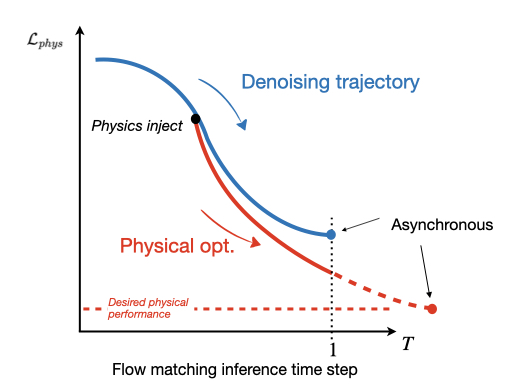
Diffusion Transformer (DiT) based video generation models have recently achieved impressive visual quality and temporal coherence, but they still frequently violate basic physical laws and commonsense dynamics, revealing a lack of explicit world know

๋ฉ€ํ‹ฐ๋ชจ๋‹ฌ LLM ํƒˆ์˜ฅ์˜ ์ƒˆ๋กœ์šด ์ง€ํ‰: ์ด๋ฏธ์ง€ ์Šคํ…Œ๊ฐ€๋…ธ๊ทธ๋ž˜ํ”ผ๋ฅผ ํ™œ์šฉํ•œ ์ด์ค‘ ์€๋‹‰ ๊ณต๊ฒฉ

๋ฉ€ํ‹ฐ๋ชจ๋‹ฌ LLM ํƒˆ์˜ฅ์˜ ์ƒˆ๋กœ์šด ์ง€ํ‰: ์ด๋ฏธ์ง€ ์Šคํ…Œ๊ฐ€๋…ธ๊ทธ๋ž˜ํ”ผ๋ฅผ ํ™œ์šฉํ•œ ์ด์ค‘ ์€๋‹‰ ๊ณต๊ฒฉ

By integrating language understanding with perceptual modalities such as images, multimodal large language models (MLLMs) constitute a critical substrate for modern AI systems, particularly intelligent agents operating in open and interactive environ

๋ฉ€ํ‹ฐ๋ชจ๋‹ฌ ์˜คํ† ์ธ์ฝ”๋”์˜ ๋ฆฌํ”„์‹œ์ธ  ํŠน์„ฑ ๋ถ„์„๊ณผ ์ฃผ์˜ ๊ธฐ๋ฐ˜ ์œตํ•ฉ ์•ˆ์ •ํ™” ๊ธฐ๋ฒ•

๋ฉ€ํ‹ฐ๋ชจ๋‹ฌ ์˜คํ† ์ธ์ฝ”๋”์˜ ๋ฆฌํ”„์‹œ์ธ  ํŠน์„ฑ ๋ถ„์„๊ณผ ์ฃผ์˜ ๊ธฐ๋ฐ˜ ์œตํ•ฉ ์•ˆ์ •ํ™” ๊ธฐ๋ฒ•

In recent years, the development of multimodal autoencoders has gained significant attention due to their potential to handle multimodal complex data types and improve model performance. Understanding the stability and robustness of these models is c

๋ฉ”ํƒ€์„œํ”ผ์Šค ๊ธฐ๋ฐ˜ ๋‚˜๋…ธํฌํ†ค๋‹‰์Šค ๊ธฐ์ดˆ ๋ชจ๋ธ MOCLIP์˜ ๊ณ ์† ๋ฌด์ œํ•œ ์„ค๊ณ„์™€ ๊ด‘ํ•™ ์ €์žฅ ํ˜์‹ 

๋ฉ”ํƒ€์„œํ”ผ์Šค ๊ธฐ๋ฐ˜ ๋‚˜๋…ธํฌํ†ค๋‹‰์Šค ๊ธฐ์ดˆ ๋ชจ๋ธ MOCLIP์˜ ๊ณ ์† ๋ฌด์ œํ•œ ์„ค๊ณ„์™€ ๊ด‘ํ•™ ์ €์žฅ ํ˜์‹ 

Foundation models (FM) are transforming artificial intelligence by enabling generalizable, data-efficient solutions across different domains for a broad range of applications. However, the lack of large and diverse datasets limits the development of

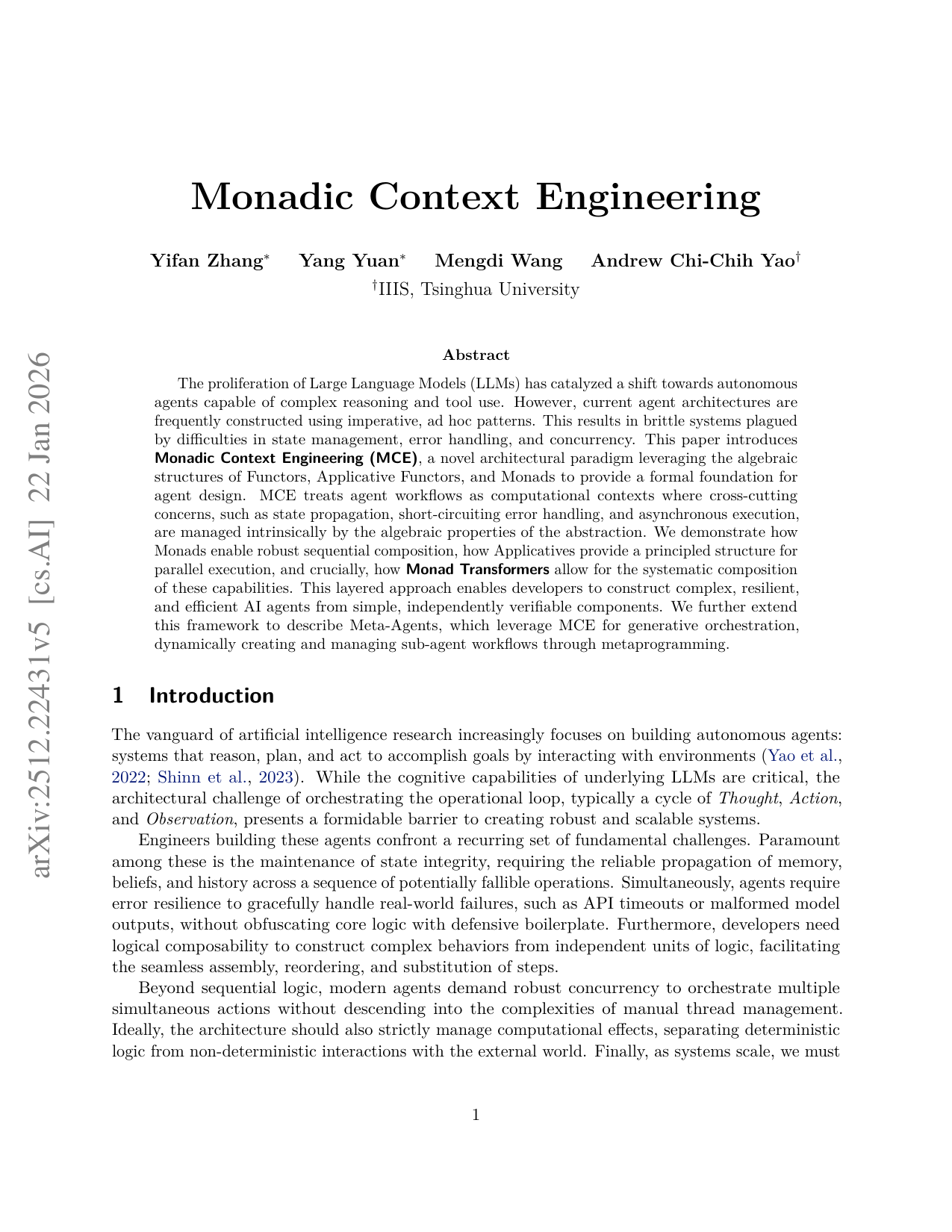
๋ชจ๋‚˜๋”• ์ปจํ…์ŠคํŠธ ์—”์ง€๋‹ˆ์–ด๋ง: ๋Œ€ํ˜• ์–ธ์–ด ๋ชจ๋ธ ์—์ด์ „ํŠธ ์„ค๊ณ„์˜ ์ƒˆ๋กœ์šด ํŒจ๋Ÿฌ๋‹ค์ž„

๋ชจ๋‚˜๋”• ์ปจํ…์ŠคํŠธ ์—”์ง€๋‹ˆ์–ด๋ง: ๋Œ€ํ˜• ์–ธ์–ด ๋ชจ๋ธ ์—์ด์ „ํŠธ ์„ค๊ณ„์˜ ์ƒˆ๋กœ์šด ํŒจ๋Ÿฌ๋‹ค์ž„

The proliferation of Large Language Models (LLMs) has catalyzed a shift towards autonomous agents capable of complex reasoning and tool use. However, current agent architectures are frequently constructed using imperative, ad hoc patterns. This resul

๋ชจ์…˜ ๋ธ”๋Ÿฌ๋ฅผ ํ™œ์šฉํ•œ ์ด๋ฏธ์ง€ยท๋น„๋””์˜ค ๋ณต์›: ๋Œ€๊ทœ๋ชจ ๋ฐ์ดํ„ฐ ๊ธฐ๋ฐ˜ ๋”ฅ๋Ÿฌ๋‹ ์ ‘๊ทผ

๋ชจ์…˜ ๋ธ”๋Ÿฌ๋ฅผ ํ™œ์šฉํ•œ ์ด๋ฏธ์ง€ยท๋น„๋””์˜ค ๋ณต์›: ๋Œ€๊ทœ๋ชจ ๋ฐ์ดํ„ฐ ๊ธฐ๋ฐ˜ ๋”ฅ๋Ÿฌ๋‹ ์ ‘๊ทผ

This work is licensed under a Creative Commons Attribution-ShareAlike 4.0 International License. image details and degrades visual quality, it also encodes information about scene and camera motion during an exposure. Previous techniques leverage thi

๋ฌด์„ ์ฃผํŒŒ์ˆ˜ ๋ผ๋””์–ธ์Šคํ•„๋“œ ๊ธฐ๋ฐ˜ ์‚ฌ์ „ํ•™์Šต์œผ๋กœ ์‹ค๋‚ด ์œ„์น˜์ถ”์ • ์ผ๋ฐ˜ํ™” ํ˜์‹ 

๋ฌด์„ ์ฃผํŒŒ์ˆ˜ ๋ผ๋””์–ธ์Šคํ•„๋“œ ๊ธฐ๋ฐ˜ ์‚ฌ์ „ํ•™์Šต์œผ๋กœ ์‹ค๋‚ด ์œ„์น˜์ถ”์ • ์ผ๋ฐ˜ํ™” ํ˜์‹ 

Radio frequency (RF)-based indoor localization offers significant promise for applications such as indoor navigation, augmented reality, and pervasive computing. While deep learning has greatly enhanced localization accuracy and robustness, existing

๋ฌผ๋ฆฌํ•™์—์„œ ๊ฒฐ์ •๋ก ๊ณผ ๋น„๊ฒฐ์ •๋ก ์˜ ํ‘œ์ƒ์  ๋Œ€๋ฆฝ๊ณผ ๋ชจ๋ธ ๋ถˆ๋ณ€์„ฑ ๊ธฐ๋ฐ˜ ๊ตฌ์กฐ ์‹ค์žฌ๋ก 

๋ฌผ๋ฆฌํ•™์—์„œ ๊ฒฐ์ •๋ก ๊ณผ ๋น„๊ฒฐ์ •๋ก ์˜ ํ‘œ์ƒ์  ๋Œ€๋ฆฝ๊ณผ ๋ชจ๋ธ ๋ถˆ๋ณ€์„ฑ ๊ธฐ๋ฐ˜ ๊ตฌ์กฐ ์‹ค์žฌ๋ก 

This paper argues that the traditional opposition between determinism and indeterminism in physics is representational rather than ontological. Deterministic-stochastic dualities are available in principle, and arise in a non-contrived way in many sc

< Category Statistics (Total: 5361) >

Electrical Engineering and Systems Science
1
General Relativity
5
General Research
25
HEP-EX
6
HEP-PH
3
HEP-TH
7
MATH-PH
13
NUCL-EX
7
NUCL-TH
1
Quantum Physics
12
Research
2639

Start searching

Enter keywords to search articles

โ†‘โ†“
โ†ต
ESC
โŒ˜K Shortcut