Q-Bio-To

Mathematical modelling indicates that lower activity of the haemostatic system in neonates is primarily due to lower prothrombin concentration
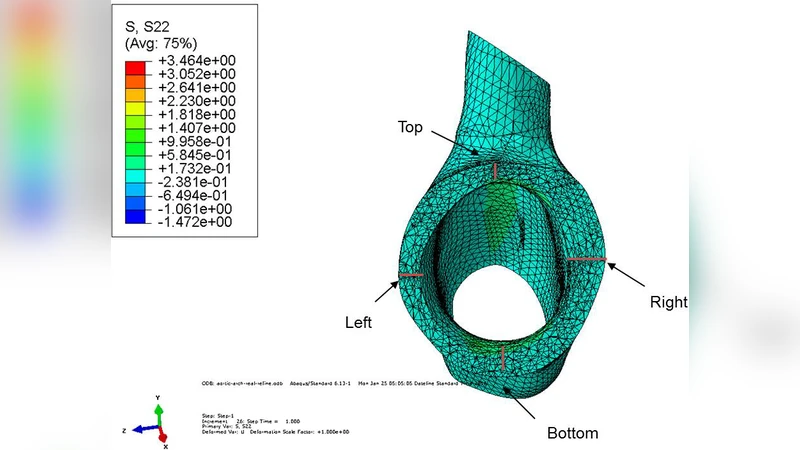
Optimal mechanical operation in the vicinity of curved vasculature
A simple model of cerebral blood flow dependence on arterial blood pressure
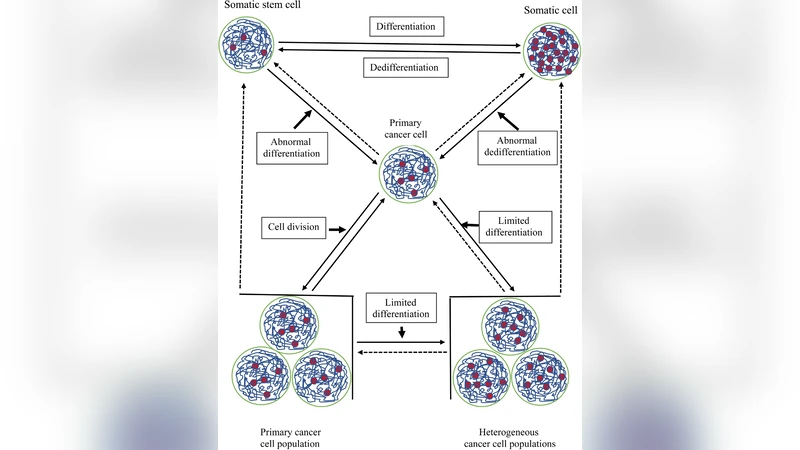
Flexible Cancer-Associated Chromatin Configuration (CACC) Might Be the Fundamental Reason Why Cancer Is So Difficult to Cure

A physiological model of the inflammatory-thermal-pain-cardiovascular interactions during a pathogen challenge
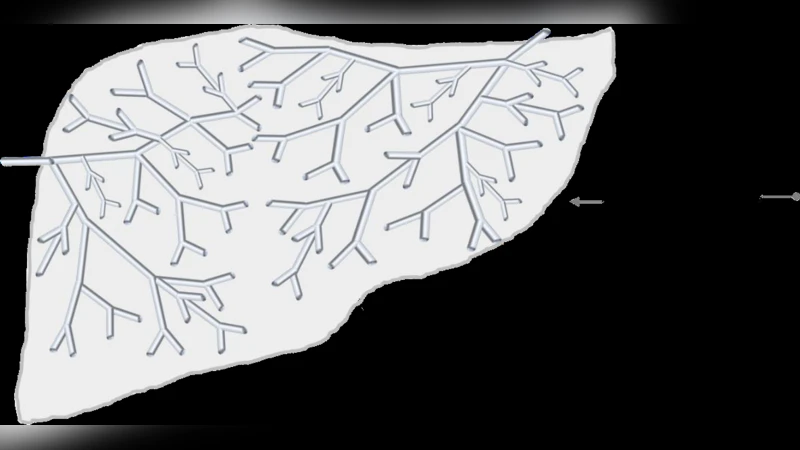
Speckle from branching vasculature: dependence on number density
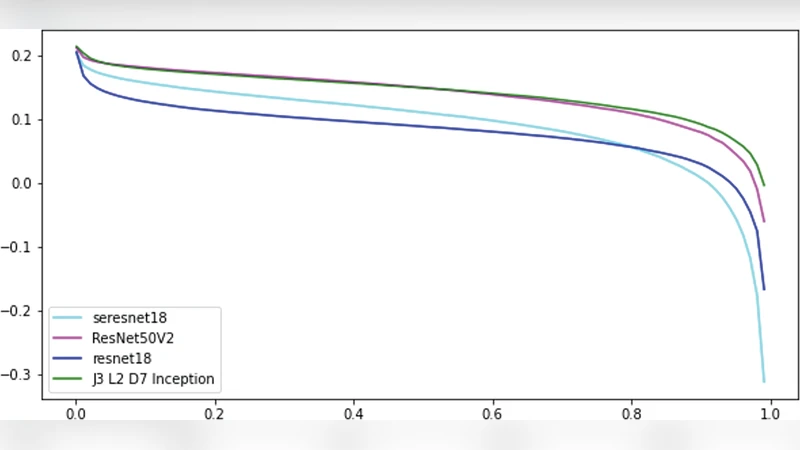
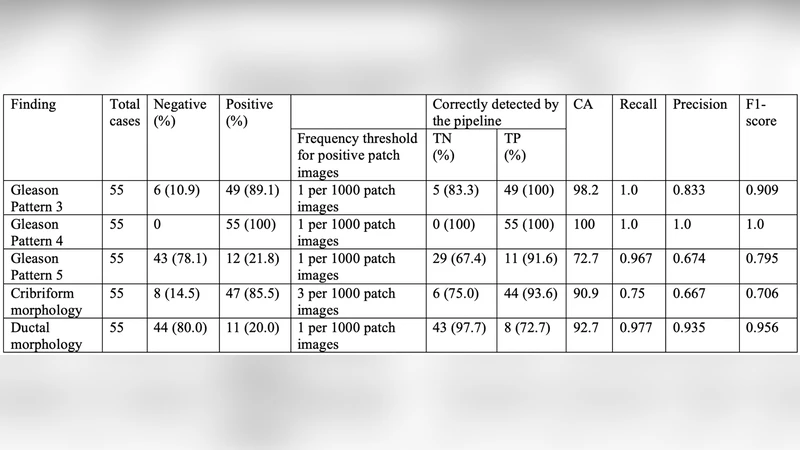
Plexus Convolutional Neural Network (PlexusNet): A novel neural network architecture for histologic image analysis
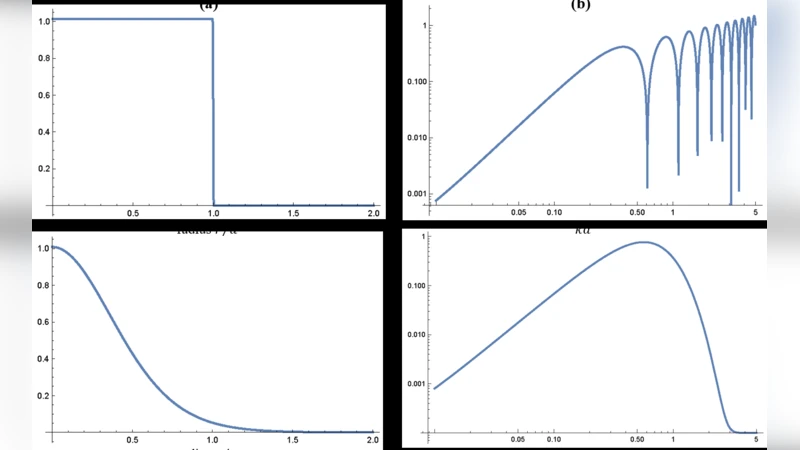
Fine-tuning the H-scan for visualizing types of tissue scatterers

Mechanics of bioinspired fiber reinforced elastomers
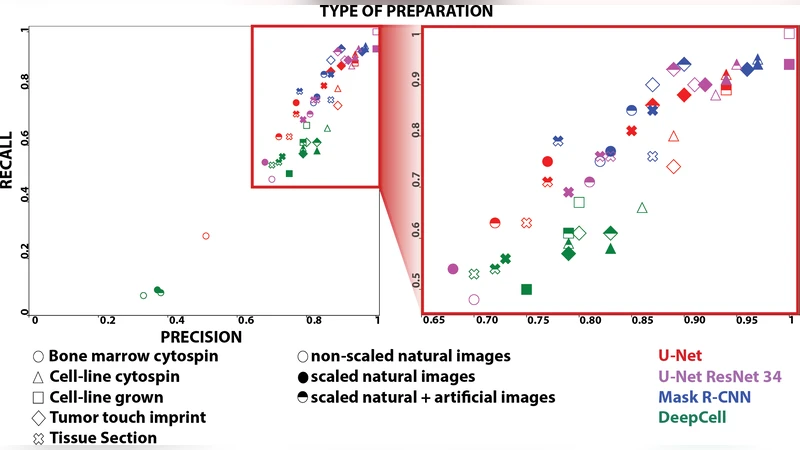
Deep Learning architectures for generalized immunofluorescence based nuclear image segmentation
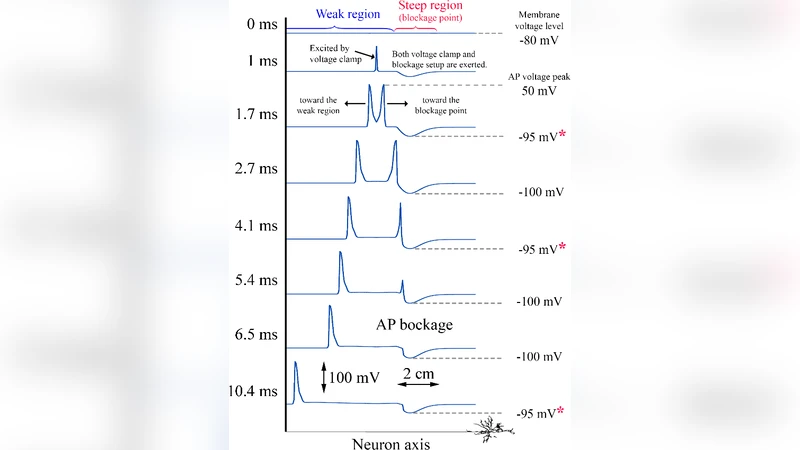
Noninvasive Blockade of Action Potential by Electromagnetic Induction
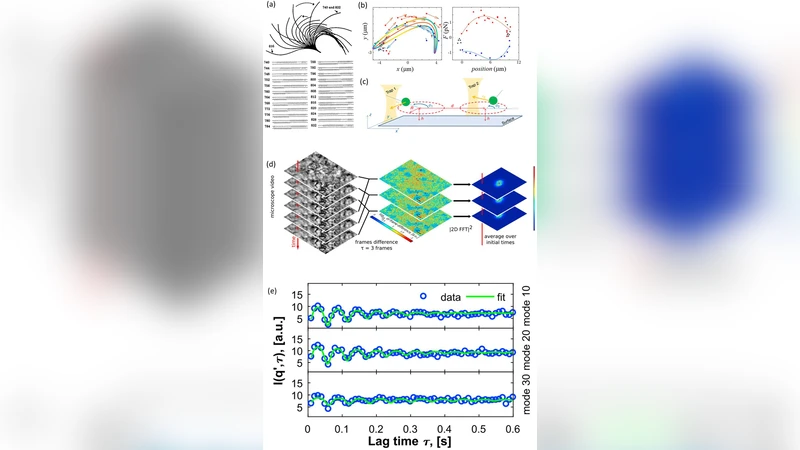
The use of biophysical approaches to understand ciliary beating
Oxygen depletion hypothesis remains controversial: a mathematical model of oxygen depletion during FLASH radiation
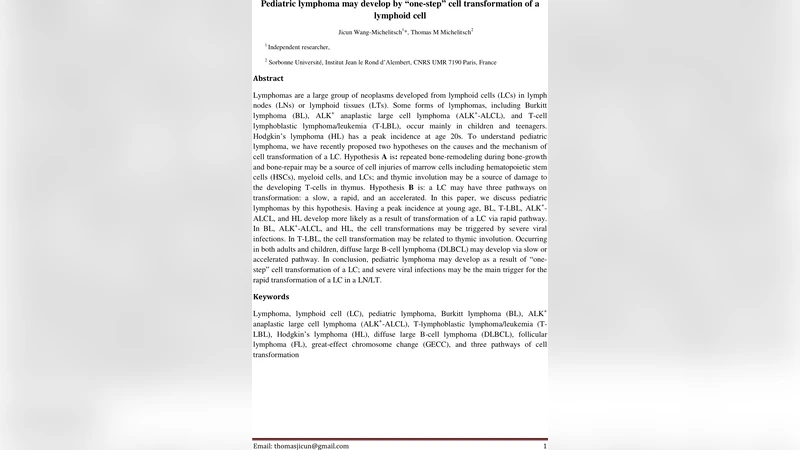
Pediatric lymphoma may develop by "one-step" cell transformation of a lymphoid cell

Understanding thermoregulatory transitions during haemorrhage by piecewise regression
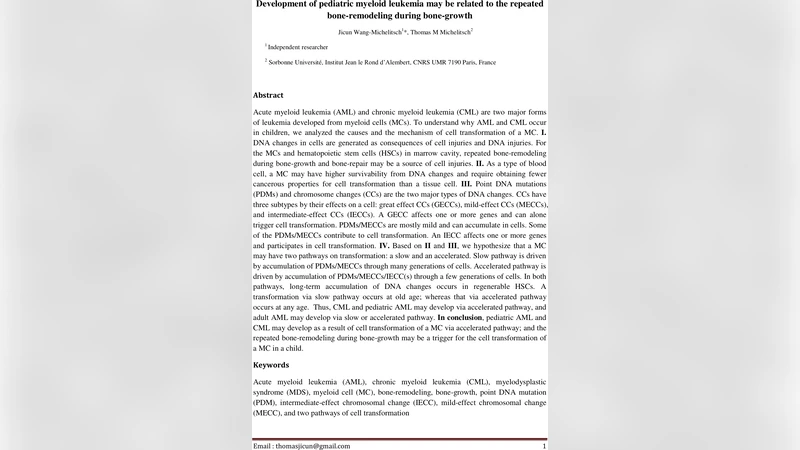
Development of pediatric myeloid leukemia may be related to the repeatedbone-remodeling during bone-growth
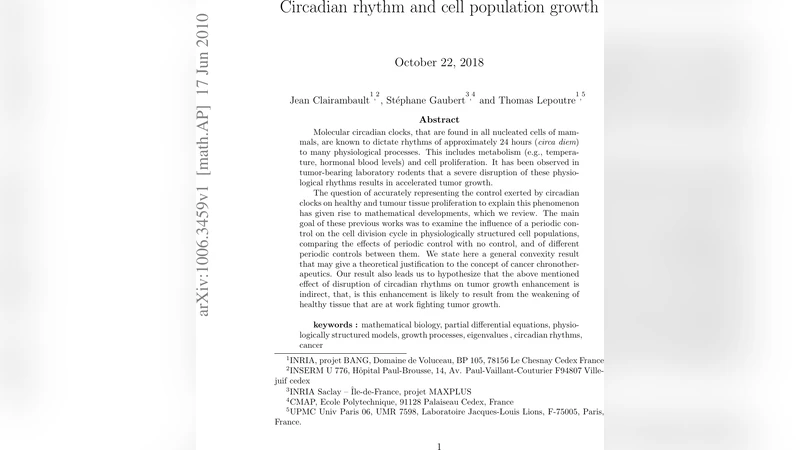
Circadian rhythm and cell population growth
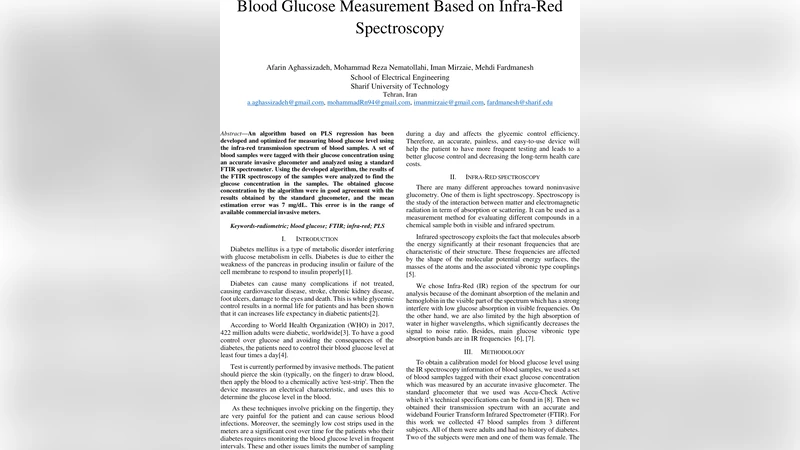
Blood Glucose Measurement Based on Infra-Red Spectroscopy
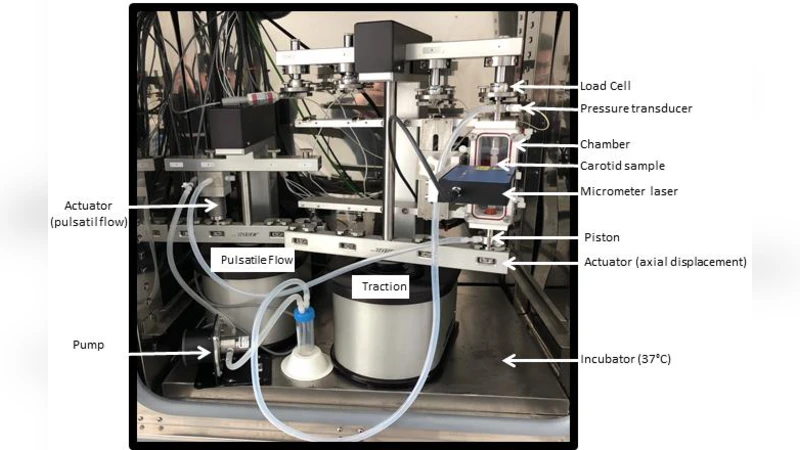
In vitro histomechanical effects of enzymatic degradation in carotid arteries during inflation tests with pulsatile loading
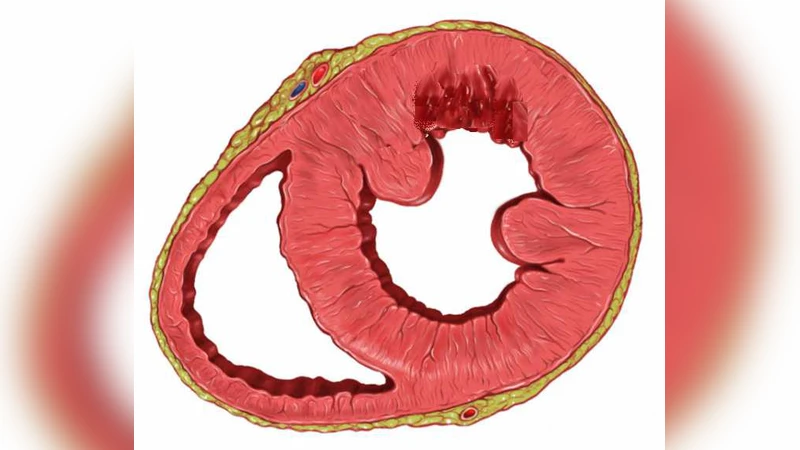
Evolution of spiral and scroll waves of excitation in a mathematical model of ischaemic border zone
Susceptibility of Methicillin Resistant Staphylococcus aureus to Vancomycin using Liposomal Drug Delivery System
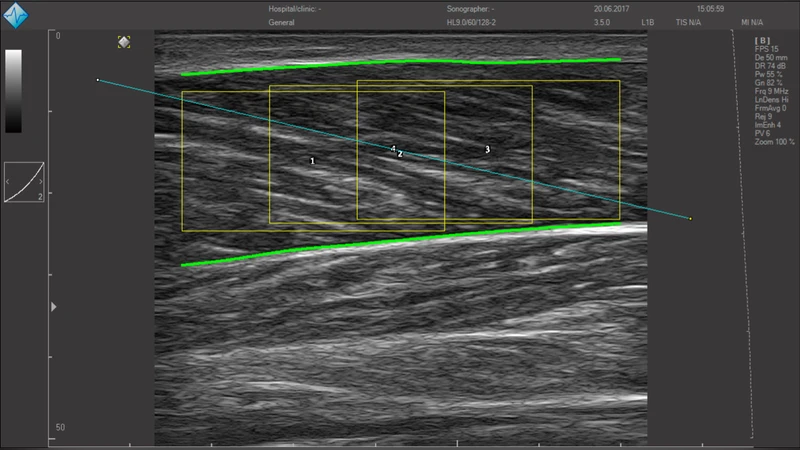
Simple Muscle Architecture Analysis (SMA): an ImageJ macro tool to automate measurements in B-mode ultrasound scans