Q-Bio-Nc
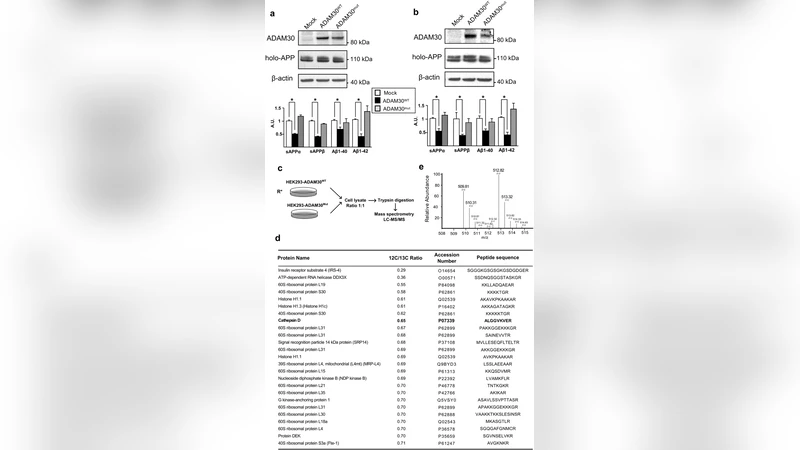
ADAM30 Downregulates APP-Linked Defects Through Cathepsin D Activation in Alzheimers Disease
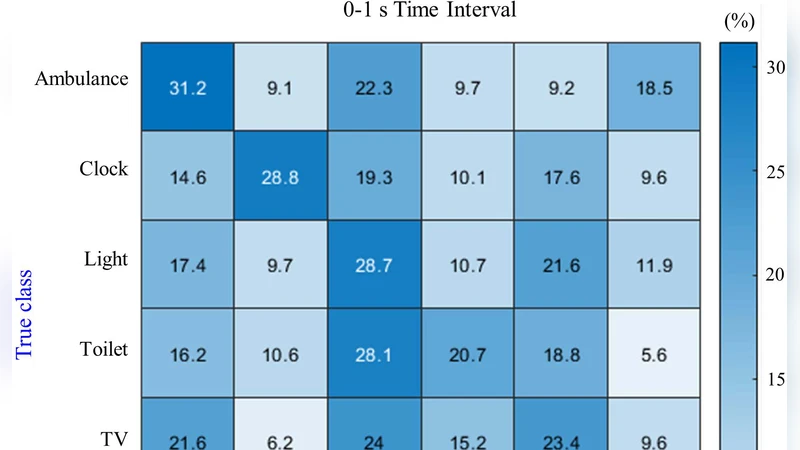
Spatio-Temporal Dynamics of Visual Imagery for Intuitive Brain-Computer Interface
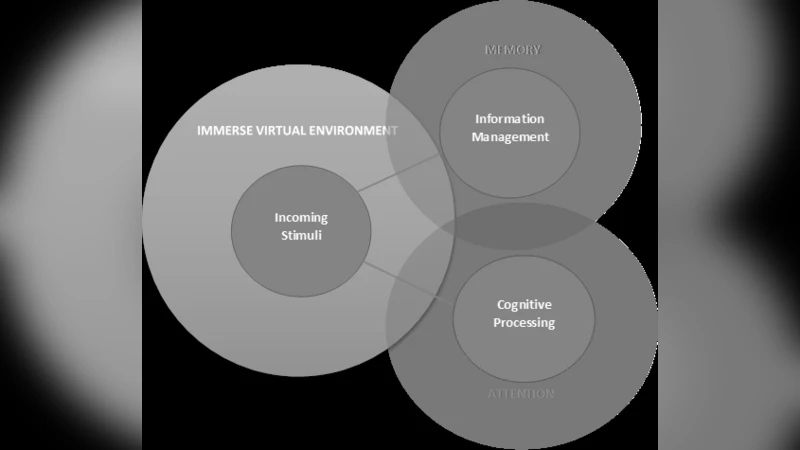
Epistemological approach in immersive virtual environments and the neurophysiology learning process
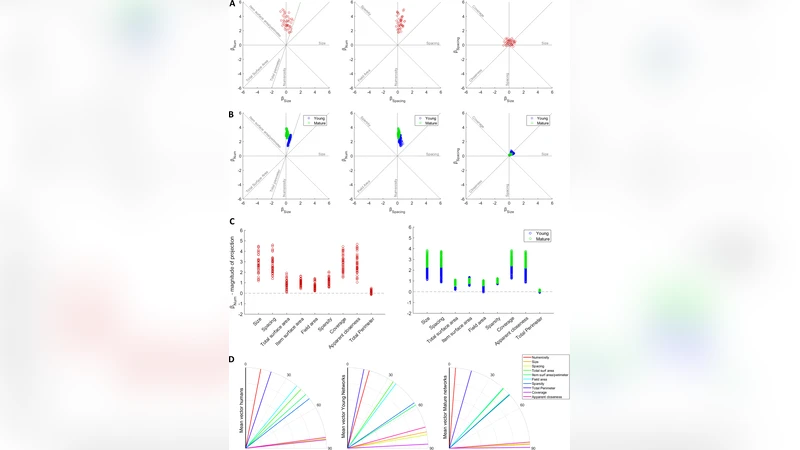
Perception of visual numerosity in humans and machines
The Unreasonable Effectiveness of Deep Learning in Artificial Intelligence
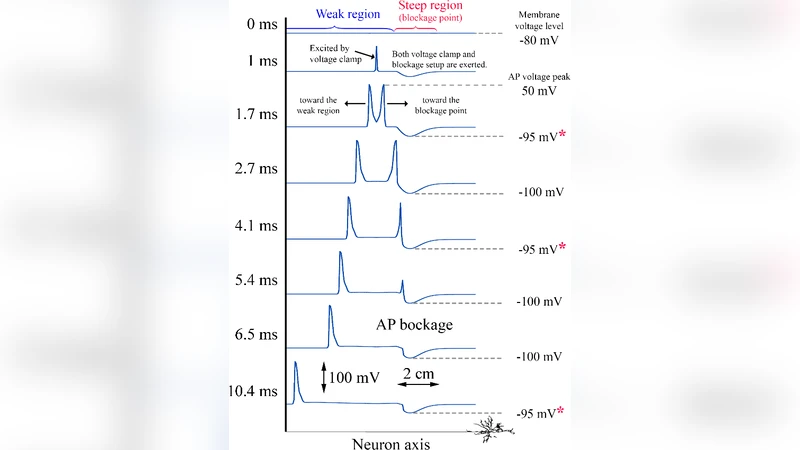
Noninvasive Blockade of Action Potential by Electromagnetic Induction

Local reservoir model for choice-based learning
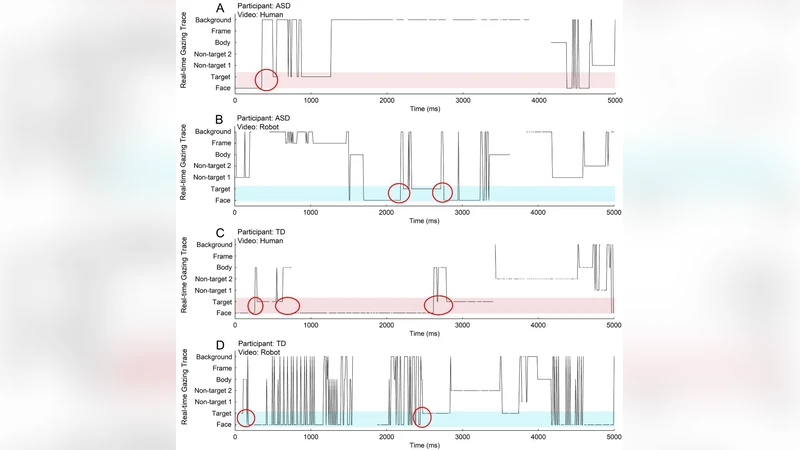
Could Interaction with Social Robots Facilitate Joint Attention of Children with Autism Spectrum Disorder?
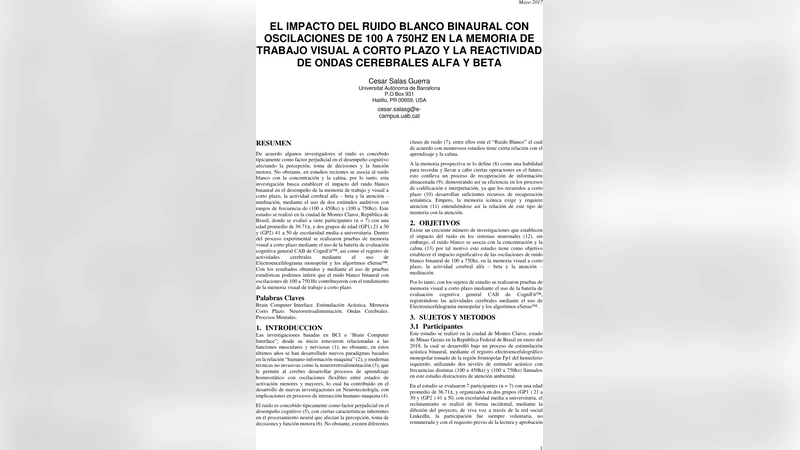
The impact of binaural white noise with oscillations of 100 to 750hz in the short-term visual working memory and the reactivity of alpha and beta cerebral waves
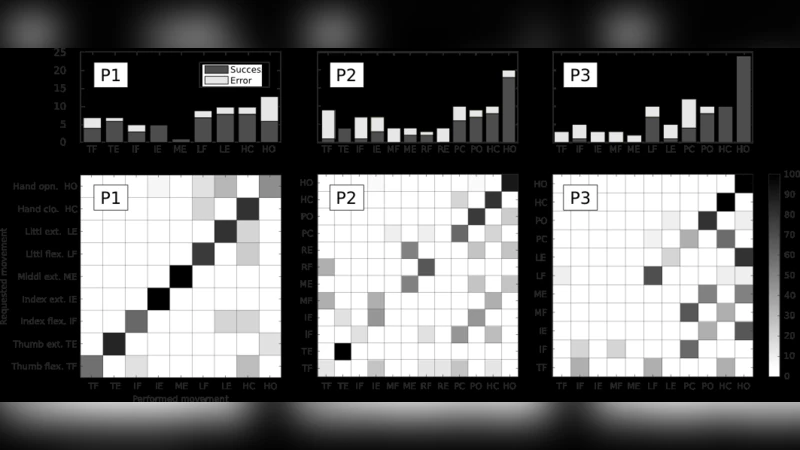
Voluntary phantom hand and finger movements in transhumeral amputees could be used to naturally control polydigital prostheses
Towards Monitoring Parkinsons Disease Following Drug Treatment: CGP Classification of rs-MRI Data
Landau Theory of Adaptive Integration in Computational Intelligence
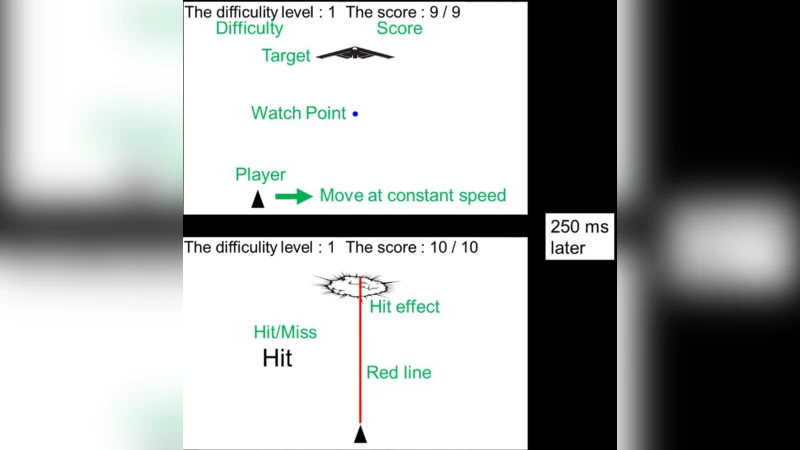
Effect of assistive method on the sense of fulfillment with agency: Modeling with flow and attribution theory
A Concept-Value Network as a Brain Model

A Power Efficient Artificial Neuron Using Superconducting Nanowires
Classification of Resting-State fMRI using Evolutionary Algorithms: Towards a Brain Imaging Biomarker for Parkinsons Disease
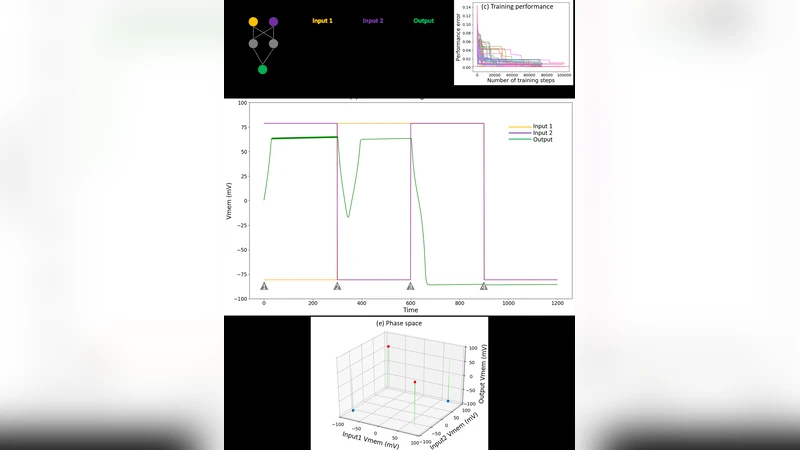
Modeling somatic computation with non-neural bioelectric networks

Alterations in Structural Correlation Networks with Prior Concussion in Collision-Sport Athletes
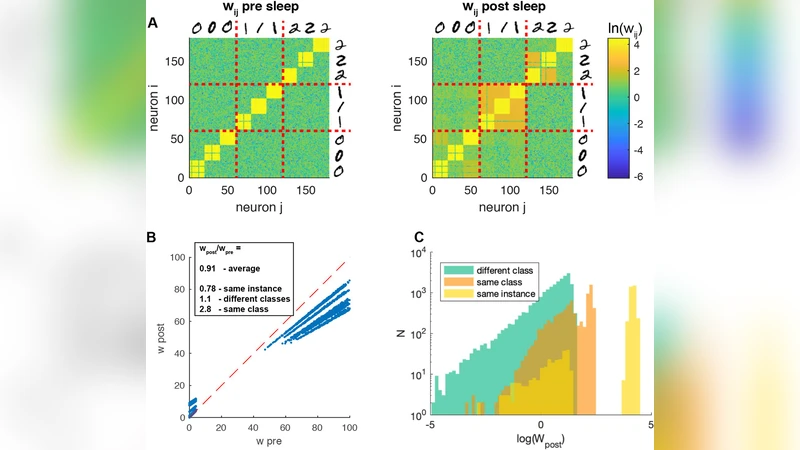
Sleep-like slow oscillations improve visual classification through synaptic homeostasis and memory association in a thalamo-cortical model

Improving brain computer interface performance by data augmentation with conditional Deep Convolutional Generative Adversarial Networks

Weight-conserving characterization of complex functional brain networks
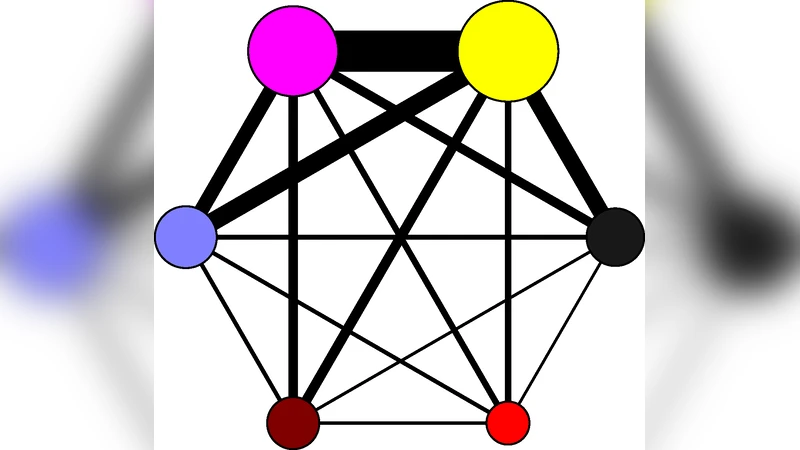
Brain covariance selection: better individual functional connectivity models using population prior