Q-Bio-Mn
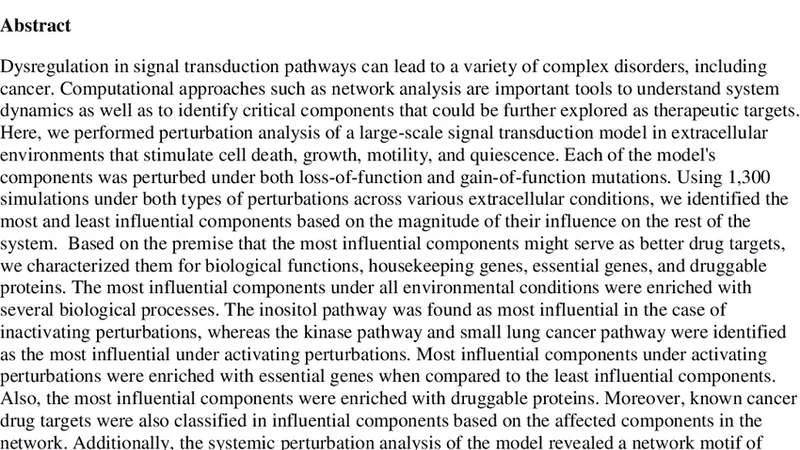
Systems Perturbation Analysis of a Large Scale Signal Transduction Model Reveals Potentially Influential Candidates for Cancer Therapeutics
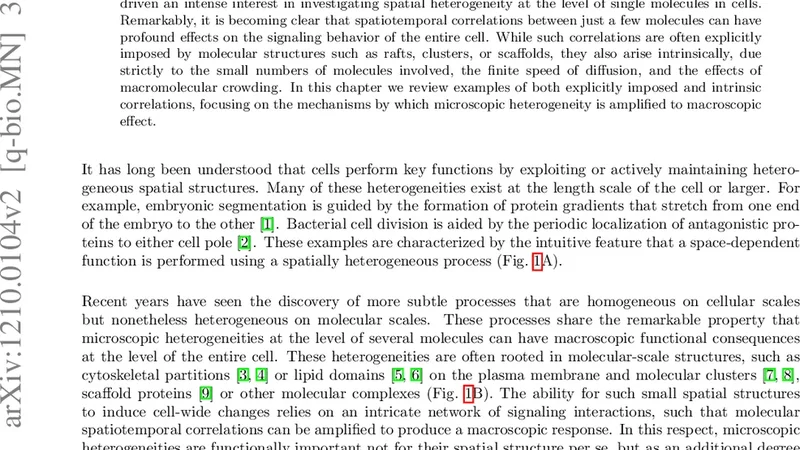
The macroscopic effects of microscopic heterogeneity
The search for candidate relevant subsets of variables in complex systems
The Topology of Biological Networks from a Complexity Perspective
The wisdom of networks: A general adaptation and learning mechanism of complex systems: The network core triggers fast responses to known stimuli; innovations require the slow network periphery and are encoded by core-remodeling
Using biophotonics to study signaling mechanisms in a single living cell
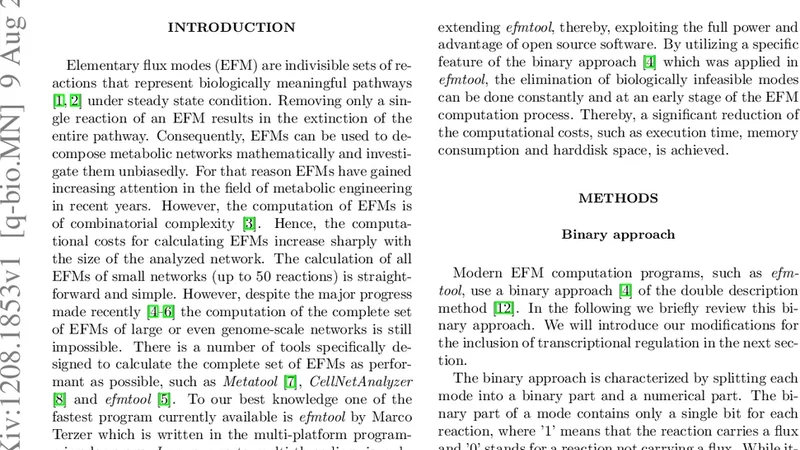
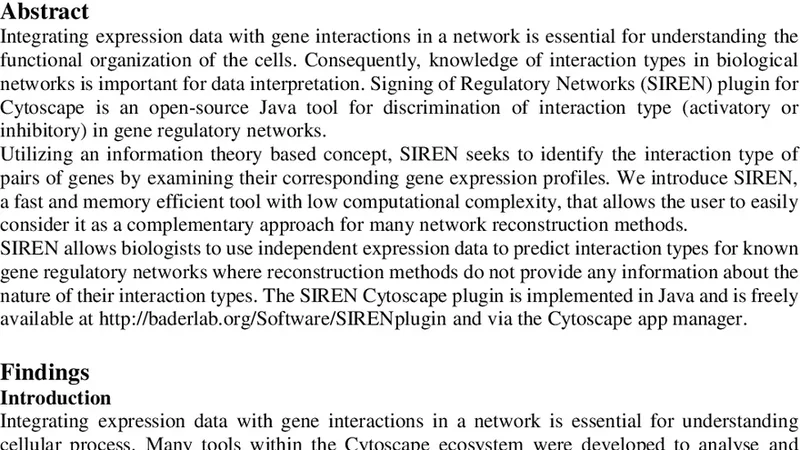
Utilizing gene regulatory information to speed up the calculation of elementary flux modes

A new mechanism of development and differentiation through slow binding/unbinding of regulatory proteins to the genes

A scalable method for molecular network reconstruction identifies properties of targets and mutations in acute myeloid leukemia
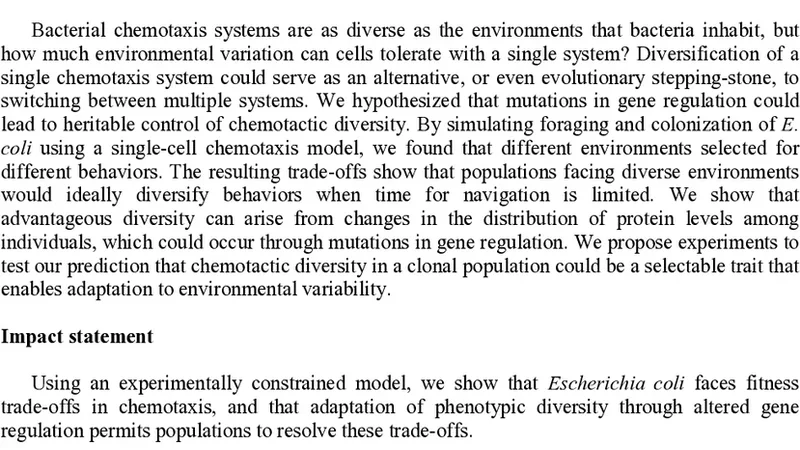
Adaptability of non-genetic diversity in bacterial chemotaxis

AND-NOT logic framework for steady state analysis of Boolean network models
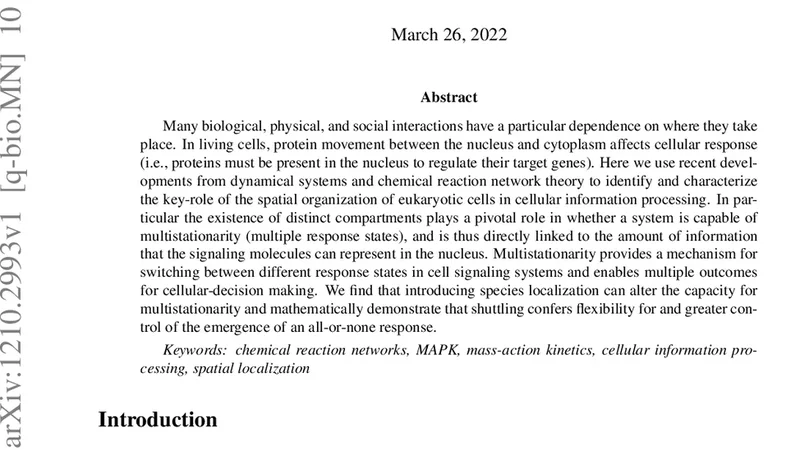
Cellular compartments cause multistability in biochemical reaction networks and allow cells to process more information
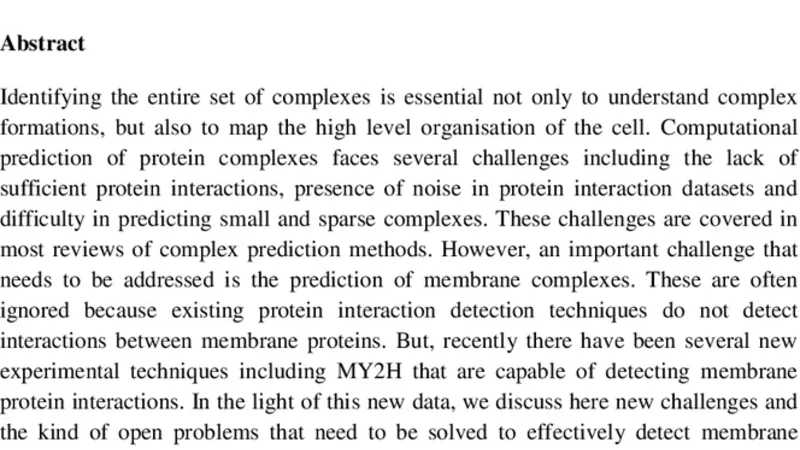
Challenges and open problems in computational prediction of protein complexes: the case of membrane complexes
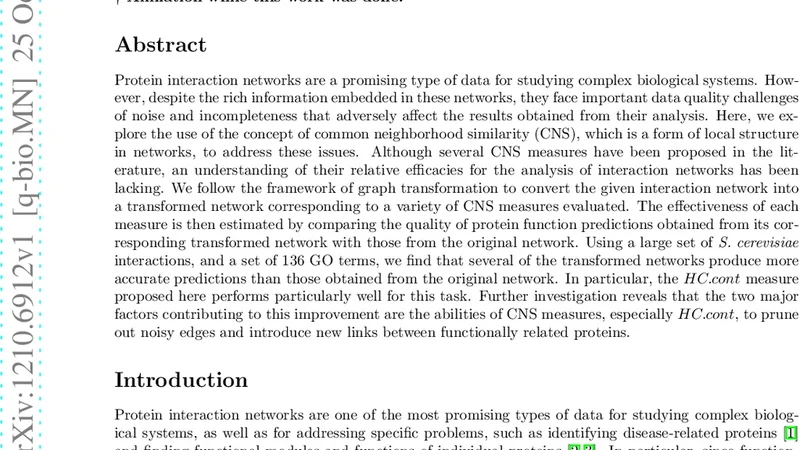
Enhancing the functional content of protein interaction networks
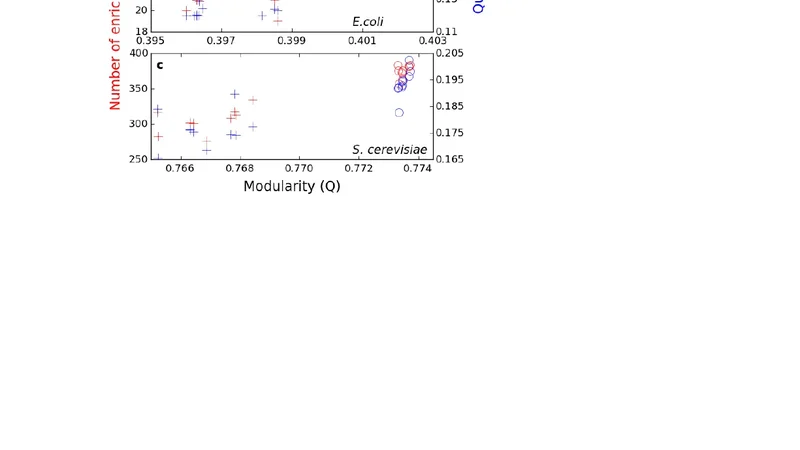
Extraction of hidden information by efficient community detection in networks
Habitat variability does not generally promote metabolic network modularity in flies and mammals
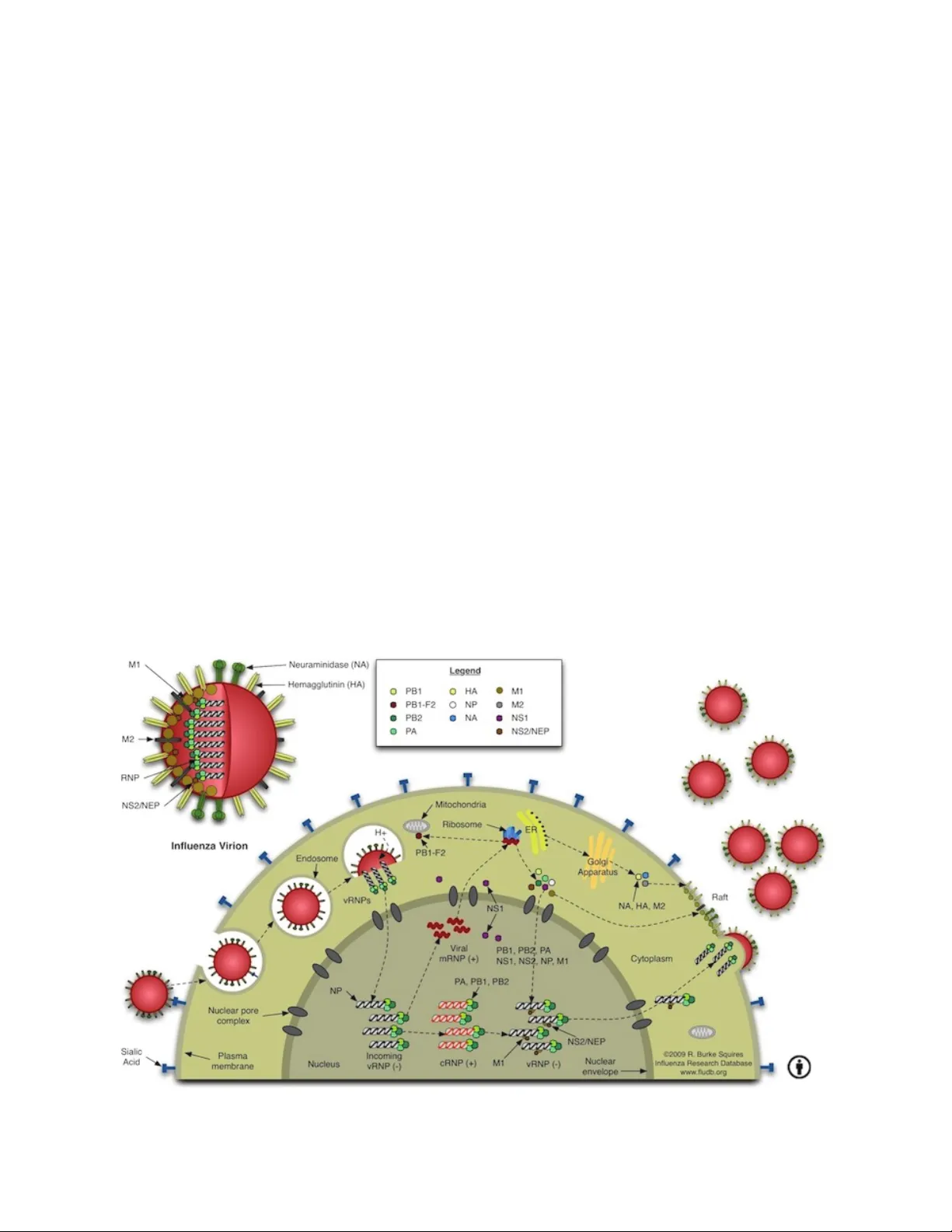
Host Cell Factors Necessary for Influenza A Infection: Meta-Analysis of Genome Wide Studies
Implications of the hybrid epithelial/mesenchymal phenotype in metastasis
In silico prediction of protein-protein interactions in human macrophages

Large number of receptors may reduce cellular response time variation
Networks in Motion

On Natural Genetic Engineering: Structural Dynamism in Random Boolean Networks