Physics-Soc-Ph
Towards a new crown indicator: Some theoretical considerations
Modeling Social Networks with Overlapping Communities Using Hypergraphs and Their Line Graphs
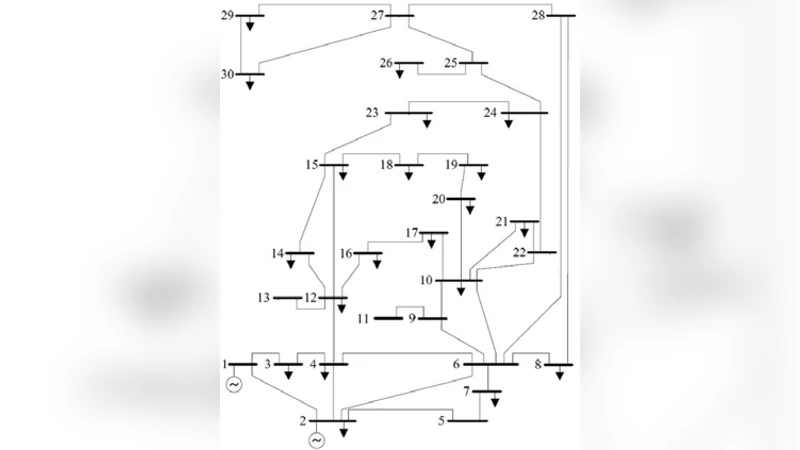
Transient Stability Assessment of Smart Power System using Complex Networks Framework

Enhancing synchronization by directionality in complex networks
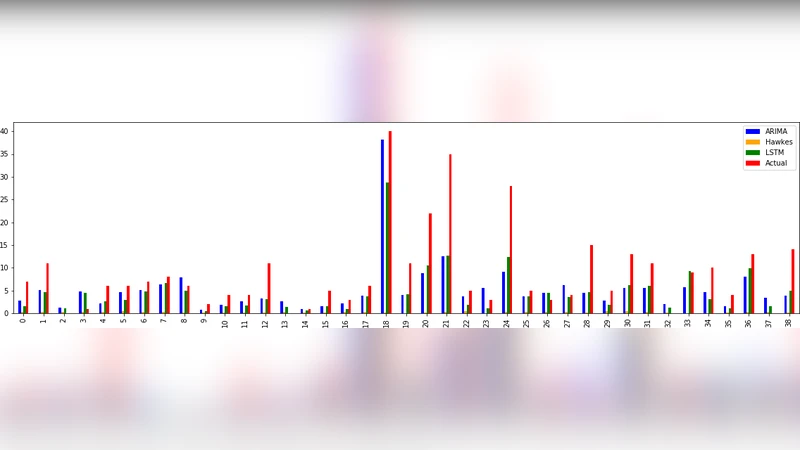
Community Detection and Growth Potential Prediction from Patent Citation Networks
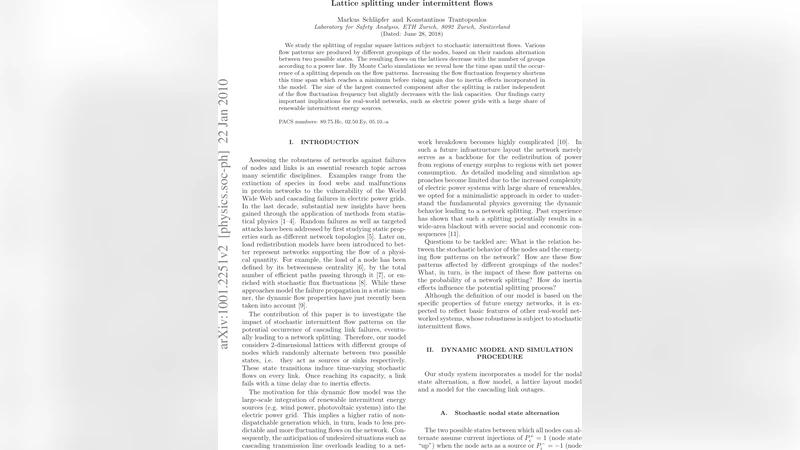
Lattice splitting under intermittent flows
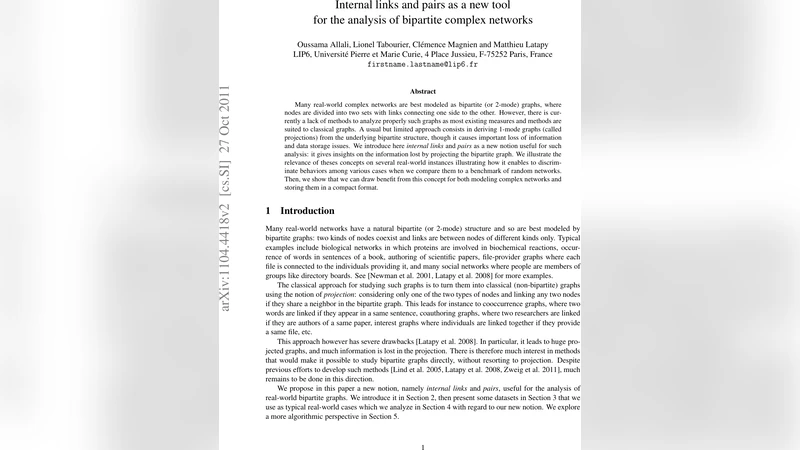
Internal links and pairs as a new tool for the analysis of bipartite complex networks
Robustness of Complex Networks against Attacks Guided by Damage
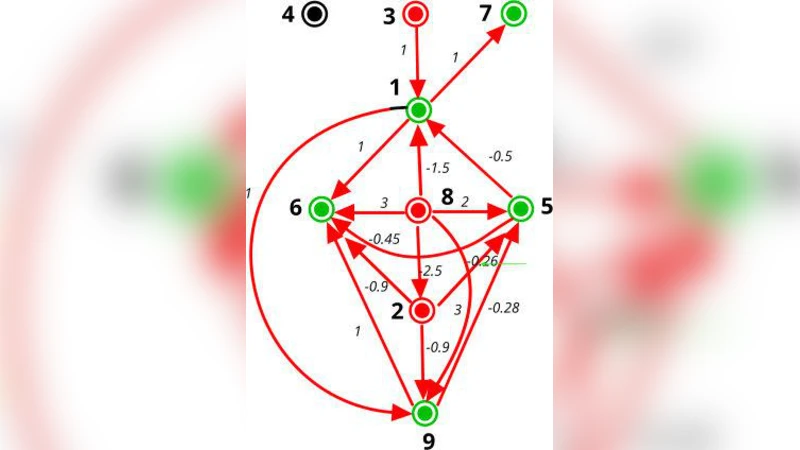
K-method of calculating the mutual influence of nodes in a directed weight complex networks
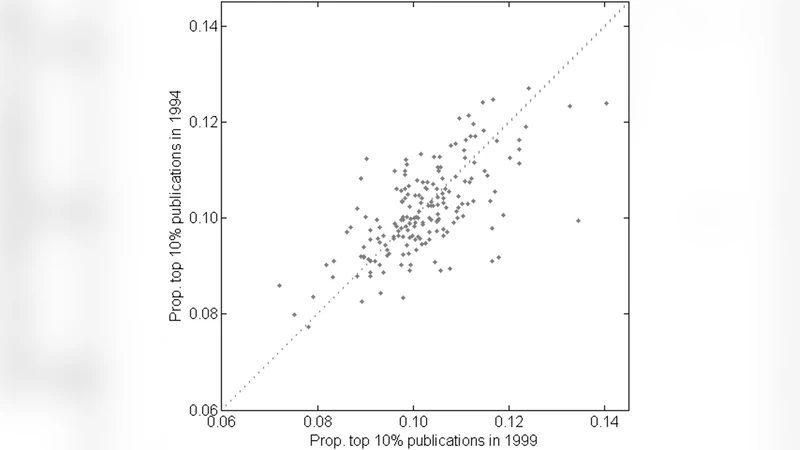
Universality of citation distributions revisited
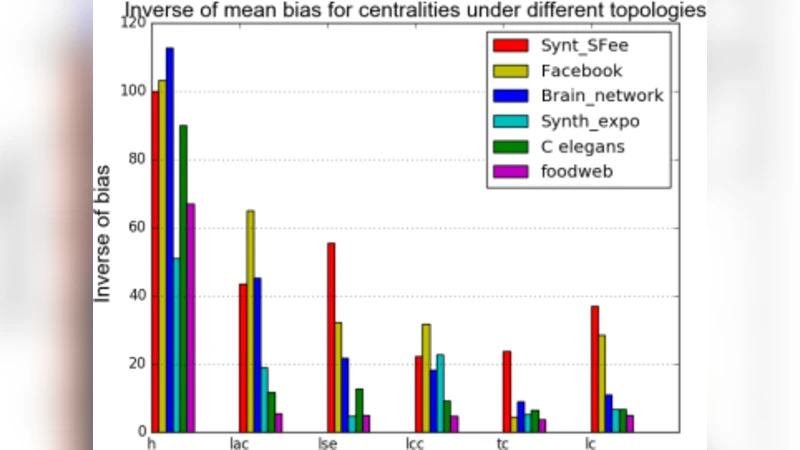
Stability of Local Information based Centrality Measurements under Degree Preserving Randomizations
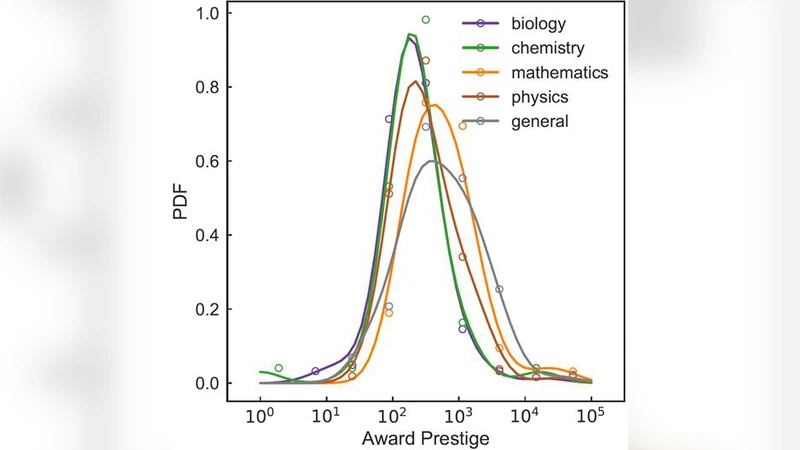
The Scientific Prize Network Predicts Who Pushes the Boundaries of Science

An efficient and principled method for detecting communities in networks
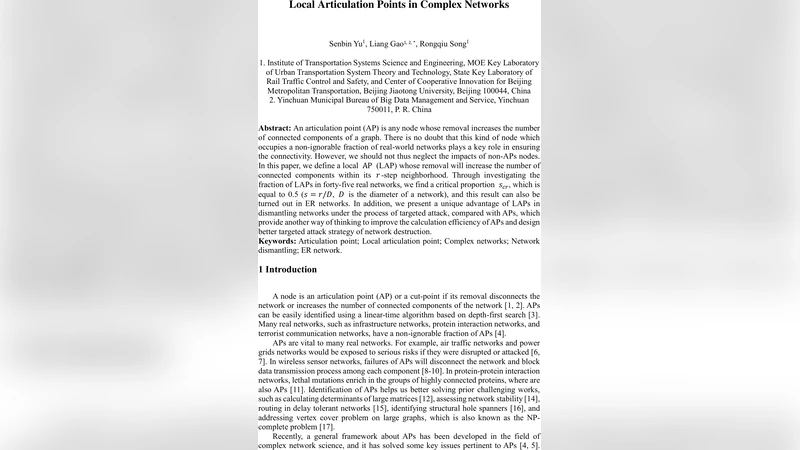
Local Articulation Points in Complex Networks
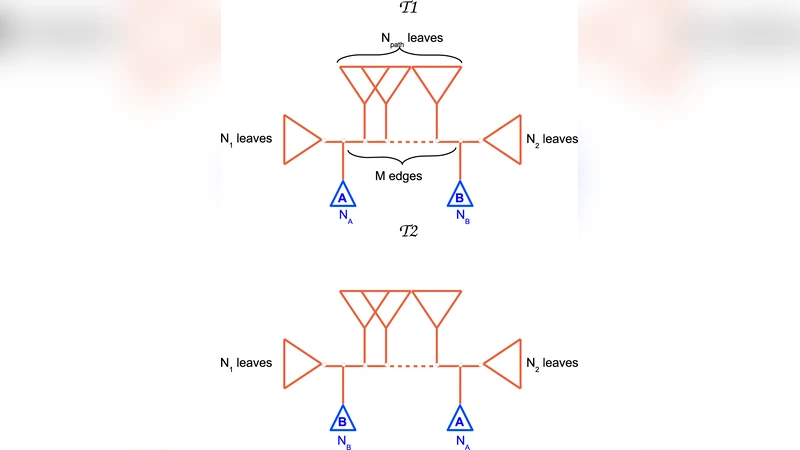
On the accuracy of language trees
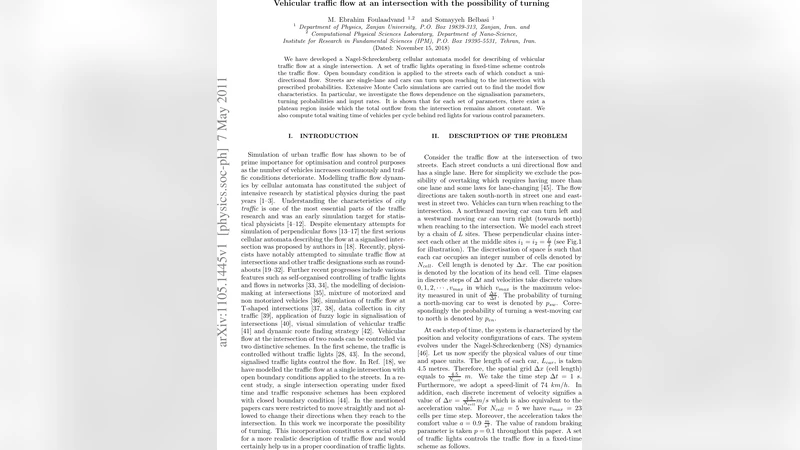
Vehicular traffic flow at an intersection with the possibility of turning
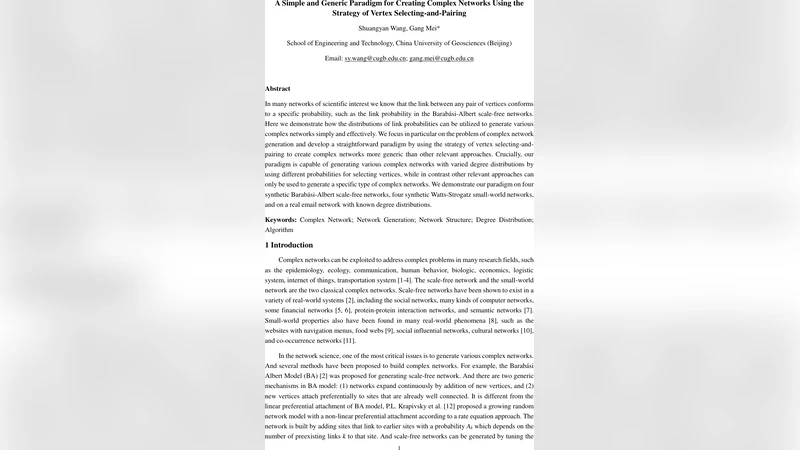
A Simple and Generic Paradigm for Creating Complex Networks Using the Strategy of Vertex Selecting-and-Pairing
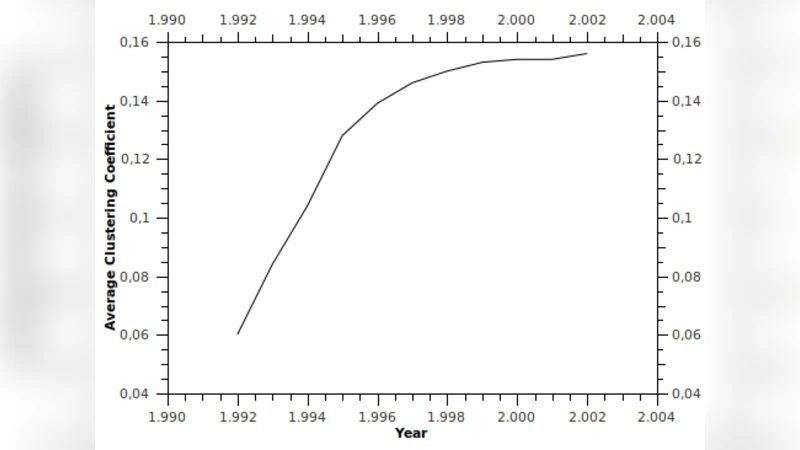
Emergence through Selection: The Evolution of a Scientific Challenge
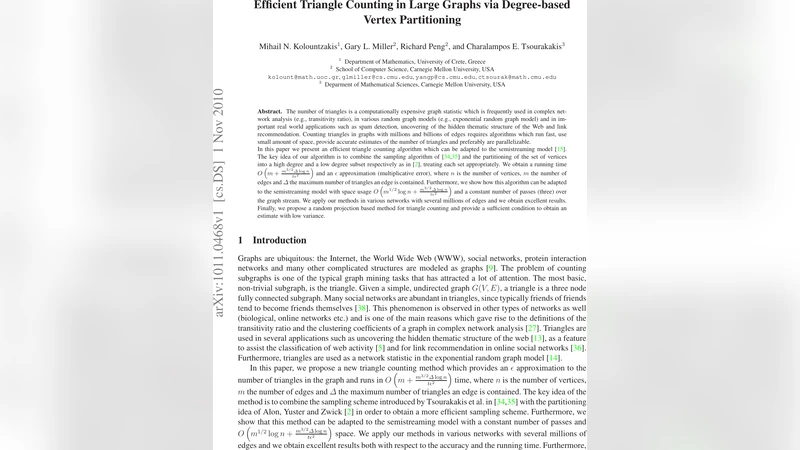
Efficient Triangle Counting in Large Graphs via Degree-based Vertex Partitioning
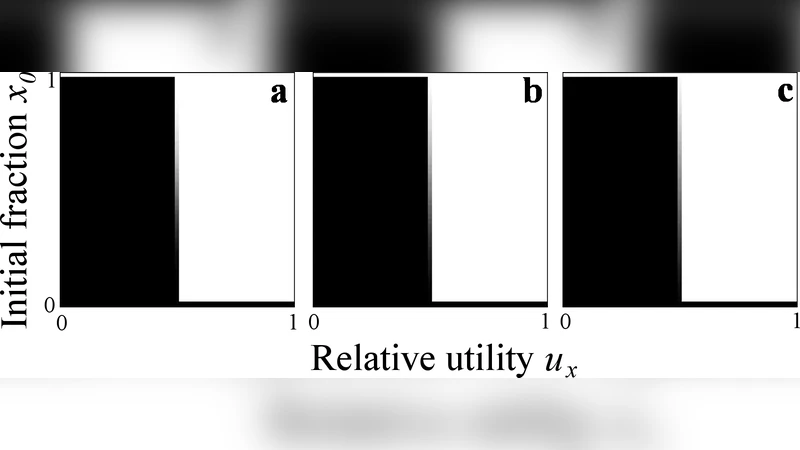
A mathematical model of social group competition with application to the growth of religious non-affiliation

The Butterfly Effect: Correlations Between Modeling in Nuclear-Particle Physics and Socioeconomic Factors

What increases (social) media attention: Research impact, author prominence or title attractiveness?