General Research

All posts under category "General Research"

718 posts total
Sorted by date
SRโ€‘MCR: ์ž์ฒด์ฐธ์กฐ ์‹ ํ˜ธ๋ฅผ ํ™œ์šฉํ•œ ๋‹จ๊ณ„๋ณ„ ์ถ”๋ก  ์ •๋ ฌ ํ”„๋ ˆ์ž„์›Œํฌ

SRโ€‘MCR: ์ž์ฒด์ฐธ์กฐ ์‹ ํ˜ธ๋ฅผ ํ™œ์šฉํ•œ ๋‹จ๊ณ„๋ณ„ ์ถ”๋ก  ์ •๋ ฌ ํ”„๋ ˆ์ž„์›Œํฌ

Multimodal LLMs often produce fluent yet unreliable reasoning, exhibiting weak step-to-step coherence and insufficient visual grounding, largely because existing alignment approaches supervise only the final answer while ignoring the reliability of the intermediate reasoning process. We introduce SR

๋‹ค์ค‘ํŒจํ„ด ๊ฐ•ํ™”ํ•™์Šต์œผ๋กœ ์‹œ๊ฐ์–ธ์–ดํ–‰๋™ ๋ชจ๋ธ์„ ์œ„ํ•œ ๋‹ค์–‘ํ•˜๊ณ  ํ™•์žฅ ๊ฐ€๋Šฅํ•œ ๋ฐ์ดํ„ฐ ์ƒ์„ฑ

๋‹ค์ค‘ํŒจํ„ด ๊ฐ•ํ™”ํ•™์Šต์œผ๋กœ ์‹œ๊ฐ์–ธ์–ดํ–‰๋™ ๋ชจ๋ธ์„ ์œ„ํ•œ ๋‹ค์–‘ํ•˜๊ณ  ํ™•์žฅ ๊ฐ€๋Šฅํ•œ ๋ฐ์ดํ„ฐ ์ƒ์„ฑ

Scaling vision-language-action (VLA) model pre-training requires large volumes of diverse, high-quality manipulation trajectories. Most current data is obtained via human teleoperation, which is expensive and difficult to scale. Reinforcement learning (RL) methods learn useful skills through autonom

๋ฒ ์ด์ง€์•ˆ ์‚ฌ์ „ ๊ฐ€์ด๋“œ ์ตœ์ ํ™”๋กœ ๊ฐ•ํ™”๋œ ๊ทธ๋ฃน ์ƒ๋Œ€ ์ •์ฑ… ์ตœ์ ํ™”

๋ฒ ์ด์ง€์•ˆ ์‚ฌ์ „ ๊ฐ€์ด๋“œ ์ตœ์ ํ™”๋กœ ๊ฐ•ํ™”๋œ ๊ทธ๋ฃน ์ƒ๋Œ€ ์ •์ฑ… ์ตœ์ ํ™”

Group Relative Policy Optimization (GRPO) has emerged as an effective and lightweight framework for post-training visual generative models. However, its performance is fundamentally limited by the ambiguity of textual-visual correspondence: a single prompt may validly describe diverse visual outputs

์‚ฌํšŒ๋ณต์ง€๋ฅผ ์ตœ์šฐ์„ ์œผ๋กœ ํ•˜๋Š” ์ธ์„ผํ‹ฐ๋ธŒ ์„ค๊ณ„ ๋น„์šฉ ํšจ์œจ์„ฑ ๋ฐ ํ˜‘๋ ฅ ๋นˆ๋„

์‚ฌํšŒ๋ณต์ง€๋ฅผ ์ตœ์šฐ์„ ์œผ๋กœ ํ•˜๋Š” ์ธ์„ผํ‹ฐ๋ธŒ ์„ค๊ณ„ ๋น„์šฉ ํšจ์œจ์„ฑ ๋ฐ ํ˜‘๋ ฅ ๋นˆ๋„

Research on promoting cooperation among autonomous, self-regarding agents has often focused on the bi-objective optimization problem: minimizing the total incentive cost while maximising the frequency of cooperation. However, the optimal value of social welfare under such constraints remains largely

์ฝ”ํŠธ ๋ ˆ์‹œํ”ผ ๋ฉ”ํƒ€ํ•™์Šต์œผ๋กœ ์ƒˆ๋กœ์šด ์ถ”๋ก  ๊ณผ์ œ์˜ ์ธ ์ปจํ…์ŠคํŠธ ํ•™์Šต ๊ฐ•ํ™”

์ฝ”ํŠธ ๋ ˆ์‹œํ”ผ ๋ฉ”ํƒ€ํ•™์Šต์œผ๋กœ ์ƒˆ๋กœ์šด ์ถ”๋ก  ๊ณผ์ œ์˜ ์ธ ์ปจํ…์ŠคํŠธ ํ•™์Šต ๊ฐ•ํ™”

Chain-of-thought (CoT) prompting combined with few-shot in-context learning (ICL) has unlocked significant reasoning capabilities in large language models (LLMs). However, ICL with CoT examples is ineffective on novel tasks when the pre-training knowledge is insufficient. We study this problem in a

AI ํ›ˆ๋ จ์˜ ๋ฌผ์งˆ ๋ฐœ์ž๊ตญ: A100 GPU ๊ตฌ์„ฑ๊ณผ ๋ชจ๋ธ ๊ทœ๋ชจ์— ๋”ฐ๋ฅธ ์ž์› ์š”๊ตฌ๋Ÿ‰ ๋ถ„์„

AI ํ›ˆ๋ จ์˜ ๋ฌผ์งˆ ๋ฐœ์ž๊ตญ: A100 GPU ๊ตฌ์„ฑ๊ณผ ๋ชจ๋ธ ๊ทœ๋ชจ์— ๋”ฐ๋ฅธ ์ž์› ์š”๊ตฌ๋Ÿ‰ ๋ถ„์„

As computational demands continue to rise, assessing the environmental footprint of artificial intelligence (AI) requires moving beyond energy and water consumption to include the material demands of specialized hardware. This study quantifies the material footprint of AI training by linking computa

๊ทธ๋ž˜ํ”„ ์‹ ๊ฒฝ๋ง ๊ธฐ๋ฐ˜ ๊ฐ•ํ™”ํ•™์Šต์„ ํ™œ์šฉํ•œ ๋ผ๋ฒจ ์ „์ด ์‹œ์Šคํ…œ ์ œ์–ด ํ•ฉ์„ฑ

๊ทธ๋ž˜ํ”„ ์‹ ๊ฒฝ๋ง ๊ธฐ๋ฐ˜ ๊ฐ•ํ™”ํ•™์Šต์„ ํ™œ์šฉํ•œ ๋ผ๋ฒจ ์ „์ด ์‹œ์Šคํ…œ ์ œ์–ด ํ•ฉ์„ฑ

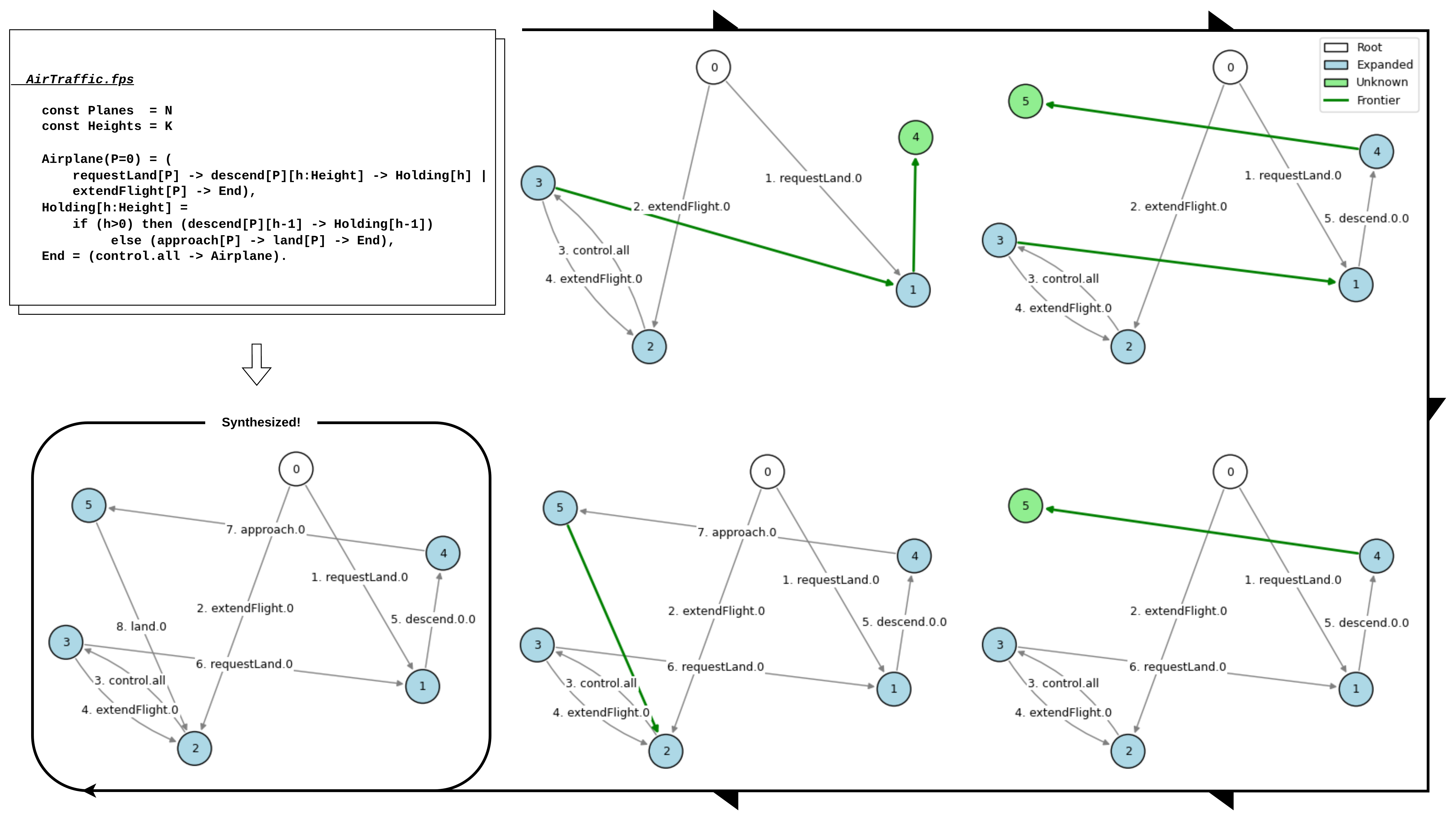
Controller synthesis is a formal method approach for automatically generating Labeled Transition System (LTS) controllers that satisfy specified properties. The efficiency of the synthesis process, however, is critically dependent on exploration policies. These policies often rely on fixed rules or

๋Œ€ํ˜• ์–ธ์–ด ๋ชจ๋ธ์ด ์†Œ์ˆ˜ ์ธ์ˆ˜ ๋ถ„ํ•ด ํŠธ๋ฆฌ ์‹œํ€€์Šค์˜ ๊ทœ์น™์„ฑ์„ ํ•™์Šตํ•  ์ˆ˜ ์žˆ์„๊นŒ

๋Œ€ํ˜• ์–ธ์–ด ๋ชจ๋ธ์ด ์†Œ์ˆ˜ ์ธ์ˆ˜ ๋ถ„ํ•ด ํŠธ๋ฆฌ ์‹œํ€€์Šค์˜ ๊ทœ์น™์„ฑ์„ ํ•™์Šตํ•  ์ˆ˜ ์žˆ์„๊นŒ

We study whether a Large Language Model can learn the deterministic sequence of trees generated by the iterated prime factorization of the natural numbers. Each integer is mapped into a rooted planar tree and the resulting sequence NT defines an arithmetic text with measurable statistical structure.

๋“€์–ผ๊ฒŒ์ด์ง€ LLM ๊ธฐ๋ฐ˜ ์ฝ”๋“œ ์ƒ์„ฑ ๋ณด์•ˆ๊ณผ ์ •ํ™•์„ฑ ๋™์‹œ ํ‰๊ฐ€ ์ž๋™ ๋ฒค์น˜๋งˆํฌ ํ”„๋ ˆ์ž„์›Œํฌ

๋“€์–ผ๊ฒŒ์ด์ง€ LLM ๊ธฐ๋ฐ˜ ์ฝ”๋“œ ์ƒ์„ฑ ๋ณด์•ˆ๊ณผ ์ •ํ™•์„ฑ ๋™์‹œ ํ‰๊ฐ€ ์ž๋™ ๋ฒค์น˜๋งˆํฌ ํ”„๋ ˆ์ž„์›Œํฌ

Large language models (LLMs) and autonomous coding agents are increasingly used to generate software across a wide range of domains. Yet a core requirement remains unmet: ensuring that generated code is secure without compromising its functional correctness. Existing benchmarks and evaluations for s

๋ฌผ๋ฆฌํ•™์—์„œ ๊ฒฐ์ •๋ก ๊ณผ ๋น„๊ฒฐ์ •๋ก ์˜ ํ‘œ์ƒ์  ๋Œ€๋ฆฝ๊ณผ ๋ชจ๋ธ ๋ถˆ๋ณ€์„ฑ ๊ธฐ๋ฐ˜ ๊ตฌ์กฐ ์‹ค์žฌ๋ก 

๋ฌผ๋ฆฌํ•™์—์„œ ๊ฒฐ์ •๋ก ๊ณผ ๋น„๊ฒฐ์ •๋ก ์˜ ํ‘œ์ƒ์  ๋Œ€๋ฆฝ๊ณผ ๋ชจ๋ธ ๋ถˆ๋ณ€์„ฑ ๊ธฐ๋ฐ˜ ๊ตฌ์กฐ ์‹ค์žฌ๋ก 

This paper argues that the traditional opposition between determinism and indeterminism in physics is representational rather than ontological. Deterministic-stochastic dualities are available in principle, and arise in a non-contrived way in many scientifically important models. When dynamical syst

๋ณ‘๋ ฌ ํ† ํฐ ์ƒ์„ฑ ์œ„ํ•œ ๊ฐ•ํ™”ํ•™์Šต ๊ธฐ๋ฐ˜ ๋งˆ์Šคํฌ ํ™•์‚ฐ ์–ธ์–ด ๋ชจ๋ธ ๊ฐ€์†๊ธฐ dUltra

๋ณ‘๋ ฌ ํ† ํฐ ์ƒ์„ฑ ์œ„ํ•œ ๊ฐ•ํ™”ํ•™์Šต ๊ธฐ๋ฐ˜ ๋งˆ์Šคํฌ ํ™•์‚ฐ ์–ธ์–ด ๋ชจ๋ธ ๊ฐ€์†๊ธฐ dUltra

Masked diffusion language models (MDLMs) offer the potential for parallel token generation, but most open-source MDLMs decode fewer than 5 tokens per model forward pass even with sophisticated sampling strategies. As a result, their sampling speeds are often comparable to AR + speculative decoding s
๋น„์ •์ƒ ํ™˜๊ฒฝ์„ ์œ„ํ•œ ์˜ˆ์ธก ๊ธฐ๋ฐ˜ ์˜คํ”„๋ผ์ธ ๊ฐ•ํ™”ํ•™์Šต ํ”„๋ ˆ์ž„์›Œํฌ

๋น„์ •์ƒ ํ™˜๊ฒฝ์„ ์œ„ํ•œ ์˜ˆ์ธก ๊ธฐ๋ฐ˜ ์˜คํ”„๋ผ์ธ ๊ฐ•ํ™”ํ•™์Šต ํ”„๋ ˆ์ž„์›Œํฌ

Offline Reinforcement Learning (RL) provides a promising avenue for training policies from pre-collected datasets when gathering additional interaction data is infeasible. However, existing offline RL methods often assume stationarity or only consider synthetic perturbations at test time, assumption

์ƒ์„ฑํ˜• AI๊ฐ€ ๊ธˆ์œต ์• ๋„๋ฆฌ์ŠคํŠธ ๋ณด๊ณ ์„œ์— ๋ฏธ์น˜๋Š” ์ƒ์‚ฐ์„ฑยท์ •ํ™•๋„ ์–‘๋ฉด ํšจ๊ณผ

์ƒ์„ฑํ˜• AI๊ฐ€ ๊ธˆ์œต ์• ๋„๋ฆฌ์ŠคํŠธ ๋ณด๊ณ ์„œ์— ๋ฏธ์น˜๋Š” ์ƒ์‚ฐ์„ฑยท์ •ํ™•๋„ ์–‘๋ฉด ํšจ๊ณผ

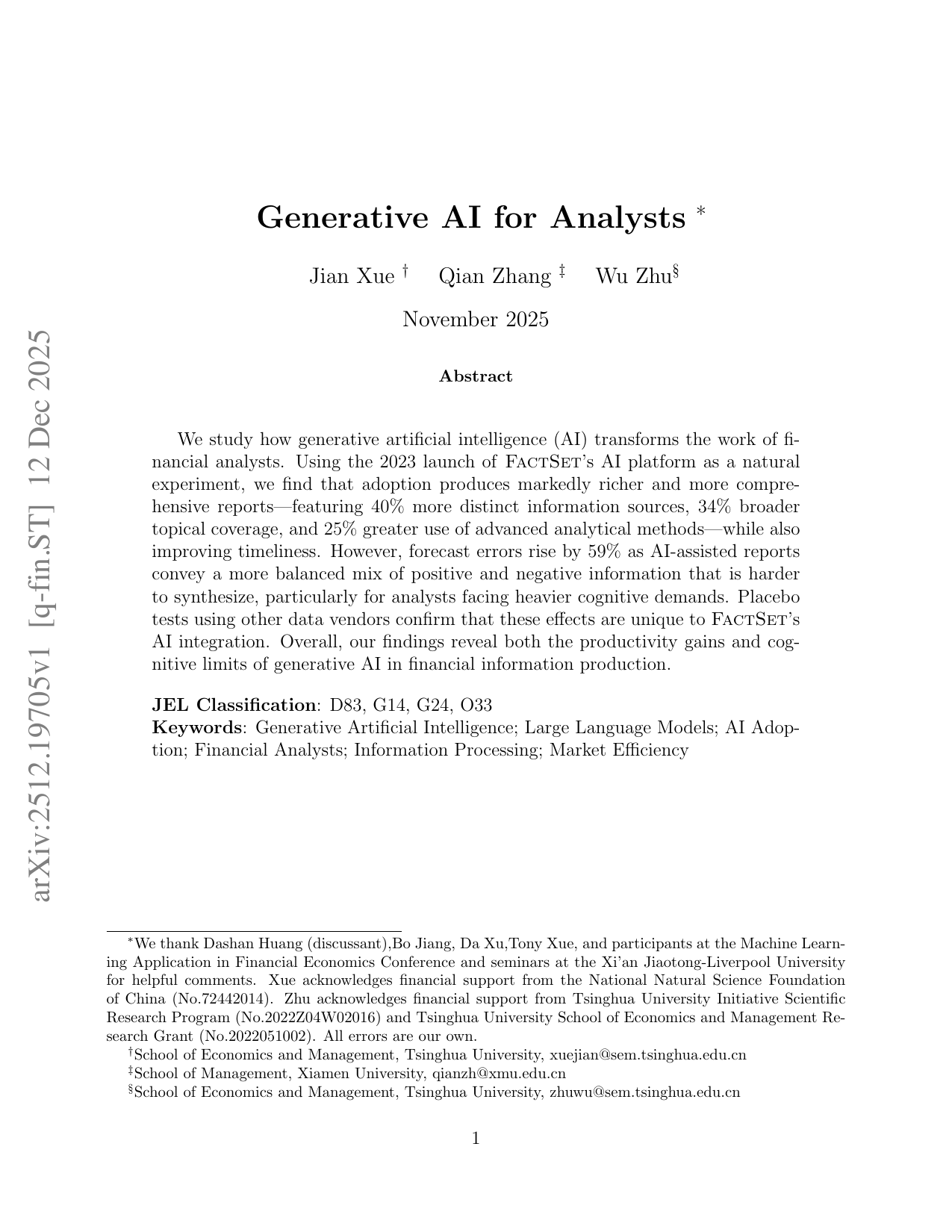
We study how generative artificial intelligence (AI) transforms the work of financial analysts. Using the 2023 launch of FactSet's AI platform as a natural experiment, we find that adoption produces markedly richer and more comprehensive reports-featuring 40% more distinct information sources, 34% b

์ƒ์„ฑํ˜• ๊ฒ€์ƒ‰์—์„œ ๊ณต์ •ํ•œ ๊ธฐ์—ฌ๋„ ํ‰๊ฐ€๋ฅผ ์œ„ํ•œ MAXSHAPLEY ์•Œ๊ณ ๋ฆฌ์ฆ˜

์ƒ์„ฑํ˜• ๊ฒ€์ƒ‰์—์„œ ๊ณต์ •ํ•œ ๊ธฐ์—ฌ๋„ ํ‰๊ฐ€๋ฅผ ์œ„ํ•œ MAXSHAPLEY ์•Œ๊ณ ๋ฆฌ์ฆ˜

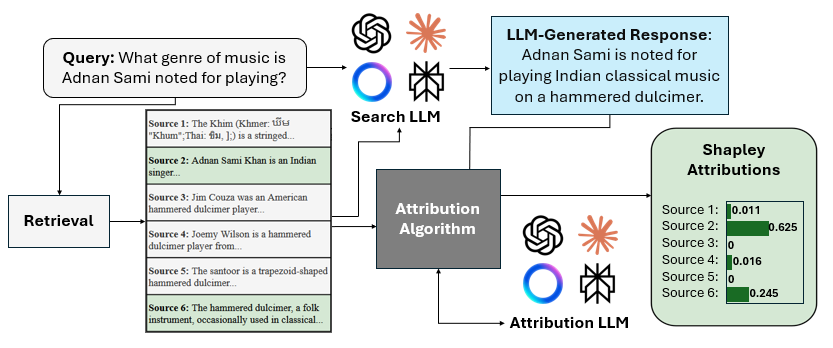
Generative search engines based on large language models (LLMs) are replacing traditional search, fundamentally changing how information providers are compensated. To sustain this ecosystem, we need fair mechanisms to attribute and compensate content providers based on their contributions to generat

์Šค๋งˆํŠธ ํ™ˆ ๊ธฐ๋ฐ˜ ์š”๋กœ๊ฐ์—ผ ์กฐ๊ธฐ ํƒ์ง€๋ฅผ ์œ„ํ•œ ๋ถˆํ™•์‹ค์„ฑ ์ธ์‹ ์ž„์ƒ ์ง€์› ์‹œ์Šคํ…œ

์Šค๋งˆํŠธ ํ™ˆ ๊ธฐ๋ฐ˜ ์š”๋กœ๊ฐ์—ผ ์กฐ๊ธฐ ํƒ์ง€๋ฅผ ์œ„ํ•œ ๋ถˆํ™•์‹ค์„ฑ ์ธ์‹ ์ž„์ƒ ์ง€์› ์‹œ์Šคํ…œ

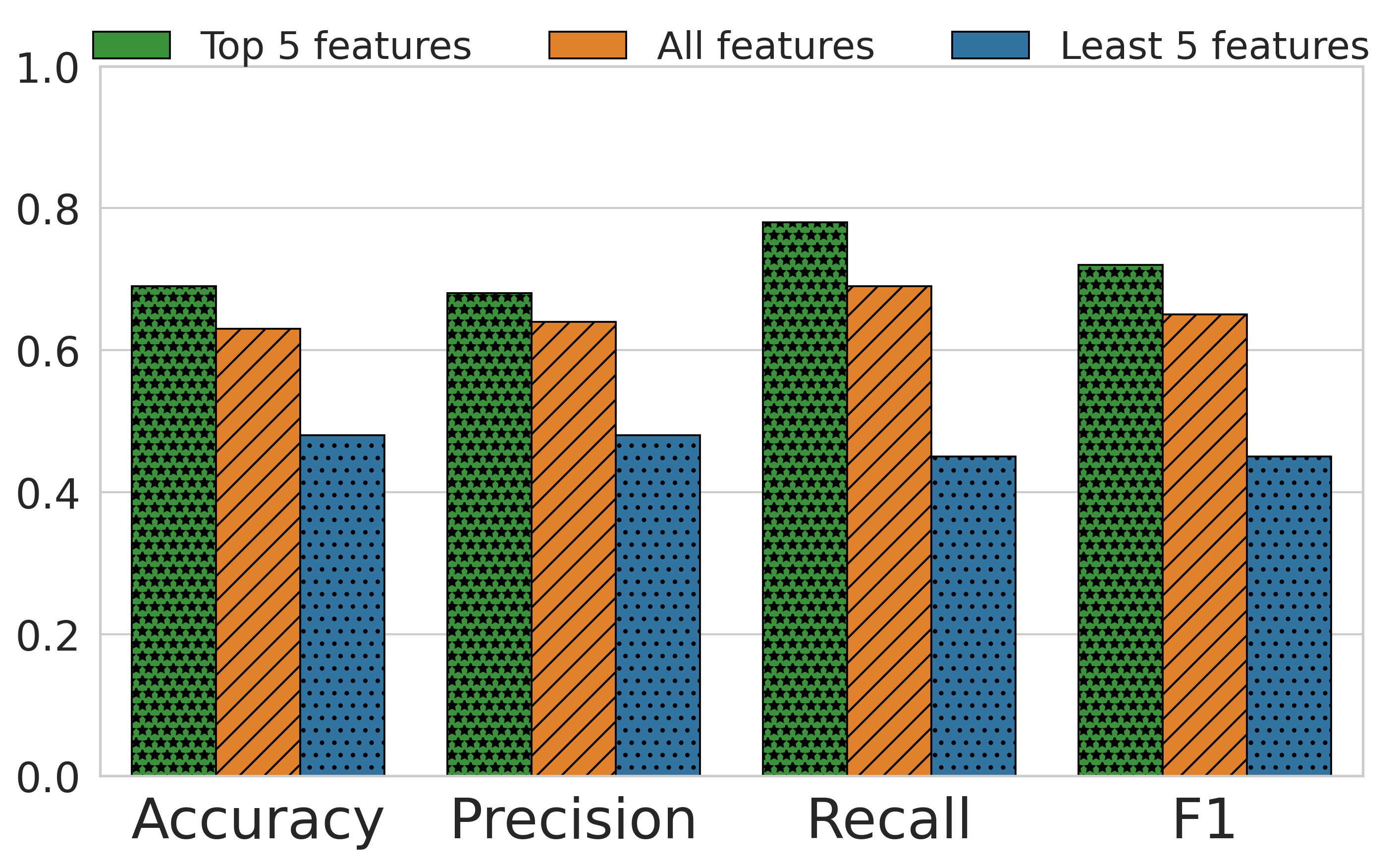
Urinary tract infection (UTI) flare-ups pose a significant health risk for older adults with chronic conditions. These infections often go unnoticed until they become severe, making early detection through innovative smart home technologies crucial. Traditional machine learning (ML) approaches relyi

์‹œ๊ฐ„ ์‹œ๊ณ„์—ด ๊ธฐ๋ฐ˜ ๋ชจ๋ธ ํˆดํ‚ท์œผ๋กœ ํ˜์‹ ์ ์ธ ํŒŒ์ดํ”„๋ผ์ธ ๊ตฌ์ถ•

์‹œ๊ฐ„ ์‹œ๊ณ„์—ด ๊ธฐ๋ฐ˜ ๋ชจ๋ธ ํˆดํ‚ท์œผ๋กœ ํ˜์‹ ์ ์ธ ํŒŒ์ดํ”„๋ผ์ธ ๊ตฌ์ถ•

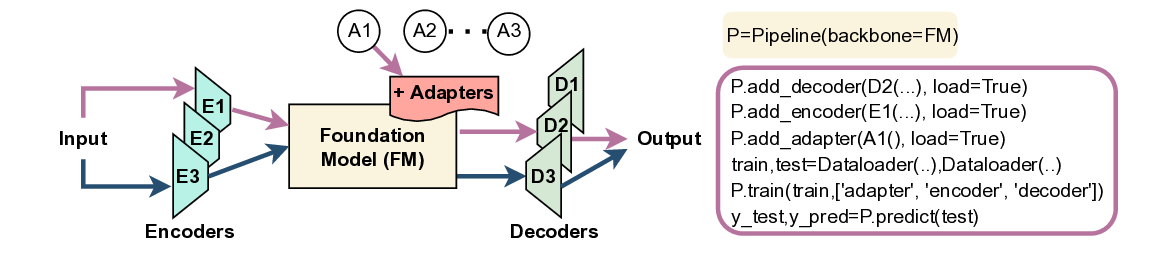
Foundation models (FMs) have opened new avenues for machine learning applications due to their ability to adapt to new and unseen tasks with minimal or no further training. Time-series foundation models (TSFMs)-FMs trained on time-series data-have shown strong performance on classification, regressi

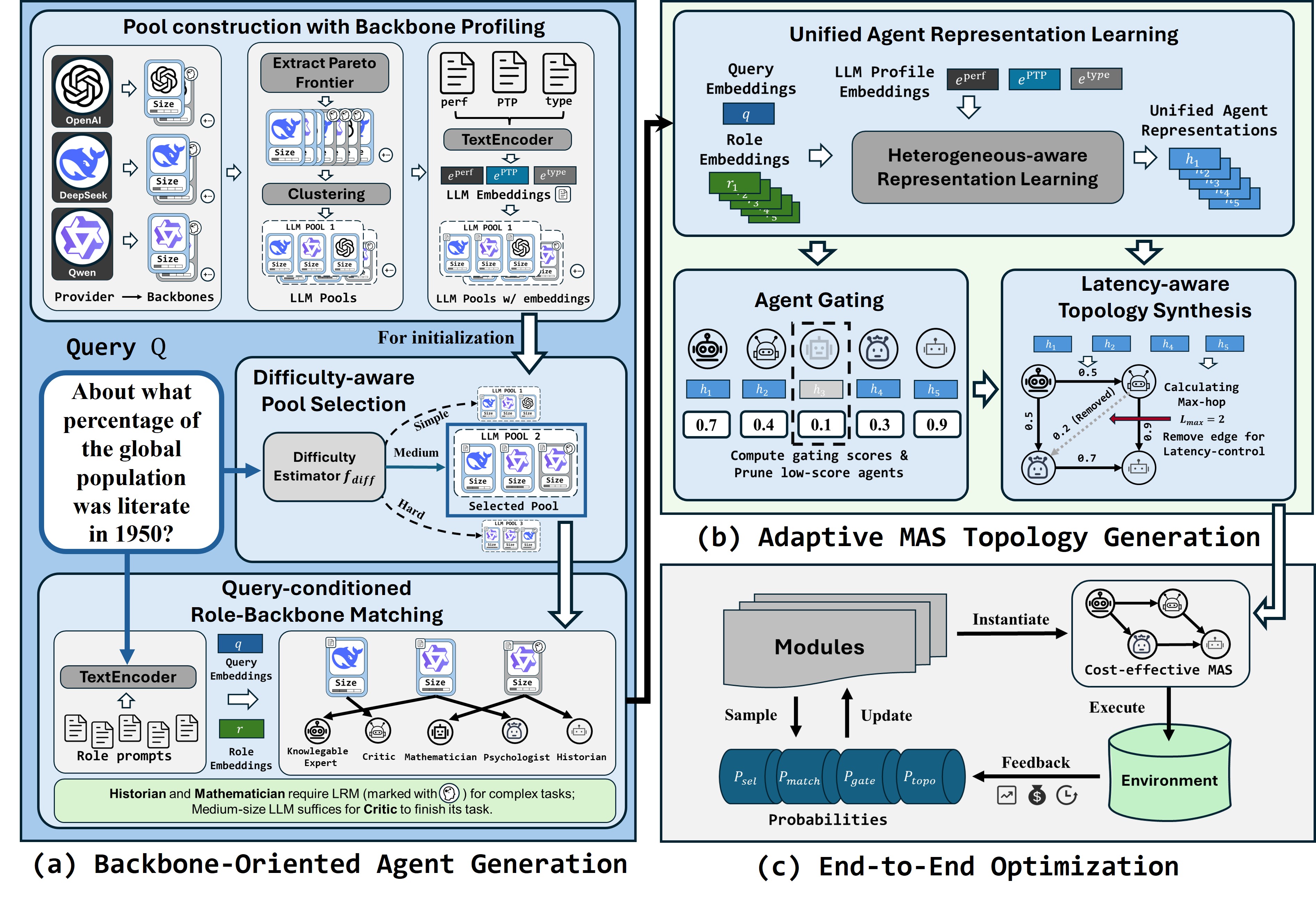
์˜ˆ์‚ฐ ์ œ์•ฝ ํ•˜ ๋น„์šฉ ํšจ์œจ์ ์ธ ๋‹ค์ค‘ ์—์ด์ „ํŠธ ์‹œ์Šคํ…œ ์„ค๊ณ„์™€ AgentBalance ํ”„๋ ˆ์ž„์›Œํฌ

์˜ˆ์‚ฐ ์ œ์•ฝ ํ•˜ ๋น„์šฉ ํšจ์œจ์ ์ธ ๋‹ค์ค‘ ์—์ด์ „ํŠธ ์‹œ์Šคํ…œ ์„ค๊ณ„์™€ AgentBalance ํ”„๋ ˆ์ž„์›Œํฌ

Large Language Model (LLM)-based multi-agent systems (MAS) have become indispensable building blocks for web-scale applications (e.g., web search, social network analytics, online customer support), with cost-effectiveness becoming the primary constraint on large-scale deployment. While recent advan

์˜๋ฏธ์ธ์‹ ๊ธฐ๋ฐ˜ ์˜๋ฃŒ ์˜์ƒ ๋ณต์›๊ณผ ๋ธ”๋ก์ฒด์ธ ์ถ”์  ํ†ตํ•ฉ ์‹œ์Šคํ…œ

์˜๋ฏธ์ธ์‹ ๊ธฐ๋ฐ˜ ์˜๋ฃŒ ์˜์ƒ ๋ณต์›๊ณผ ๋ธ”๋ก์ฒด์ธ ์ถ”์  ํ†ตํ•ฉ ์‹œ์Šคํ…œ

Medical imaging is essential for clinical diagnosis, yet realworld data frequently suffers from corruption, noise, and potential tampering, challenging the reliability of AI-assisted interpretation. Conventional reconstruction techniques prioritize pixel-level recovery and may produce visually plaus

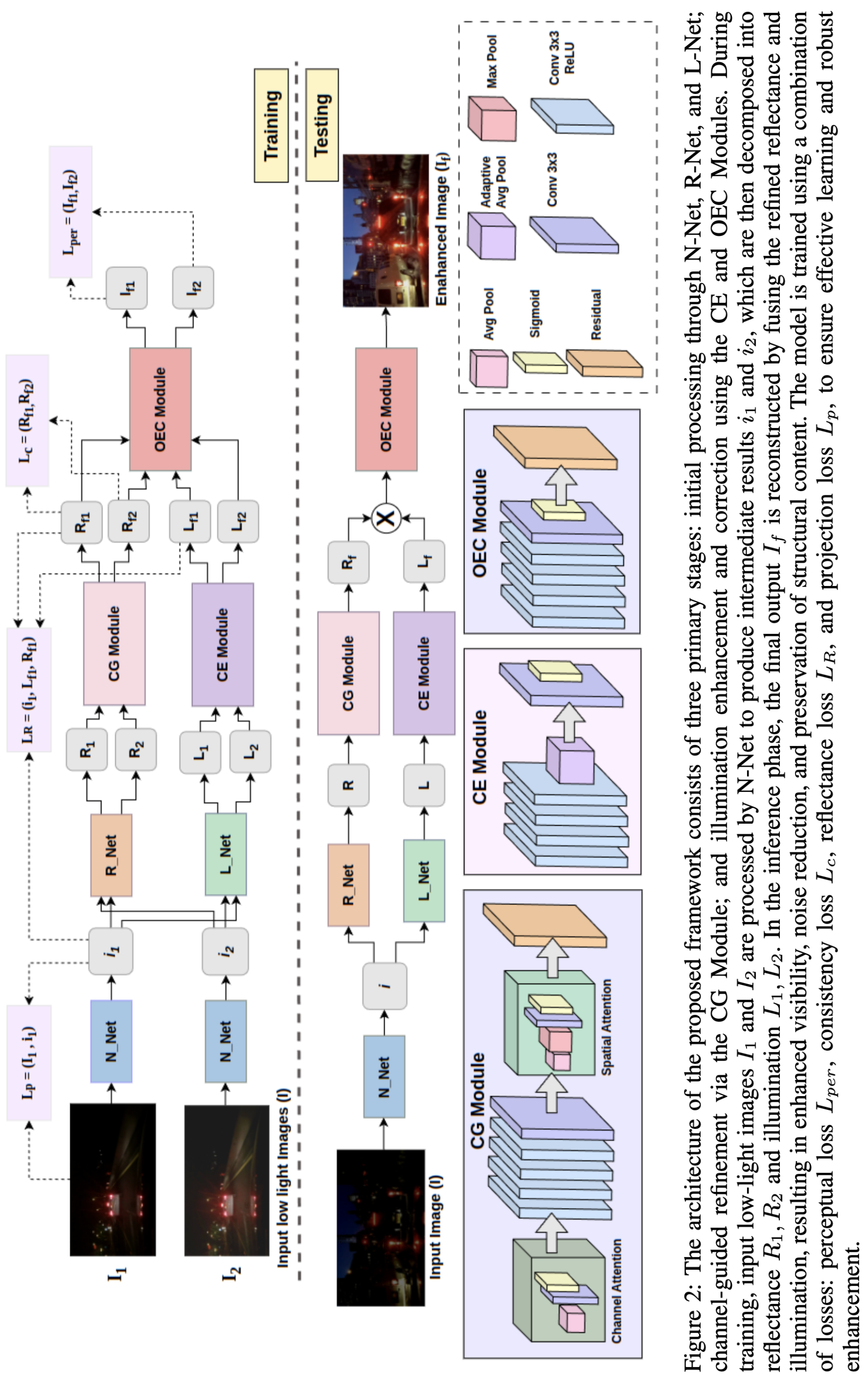
์ €์กฐ๋„ ๊ตํ†ต ์˜์ƒ ํ–ฅ์ƒ์„ ์œ„ํ•œ ๋ฌด์ง€๋„ ํ•™์Šต ๋‹ค๋‹จ๊ณ„ ํ”„๋ ˆ์ž„์›Œํฌ

์ €์กฐ๋„ ๊ตํ†ต ์˜์ƒ ํ–ฅ์ƒ์„ ์œ„ํ•œ ๋ฌด์ง€๋„ ํ•™์Šต ๋‹ค๋‹จ๊ณ„ ํ”„๋ ˆ์ž„์›Œํฌ

Enhancing low-light traffic imagery is a critical requirement for achieving reliable perception in autonomous driving, intelligent transportation, and urban surveillance systems. Traffic scenes captured under nighttime or dimly lit conditions often suffer from complex visual degradations arising fro

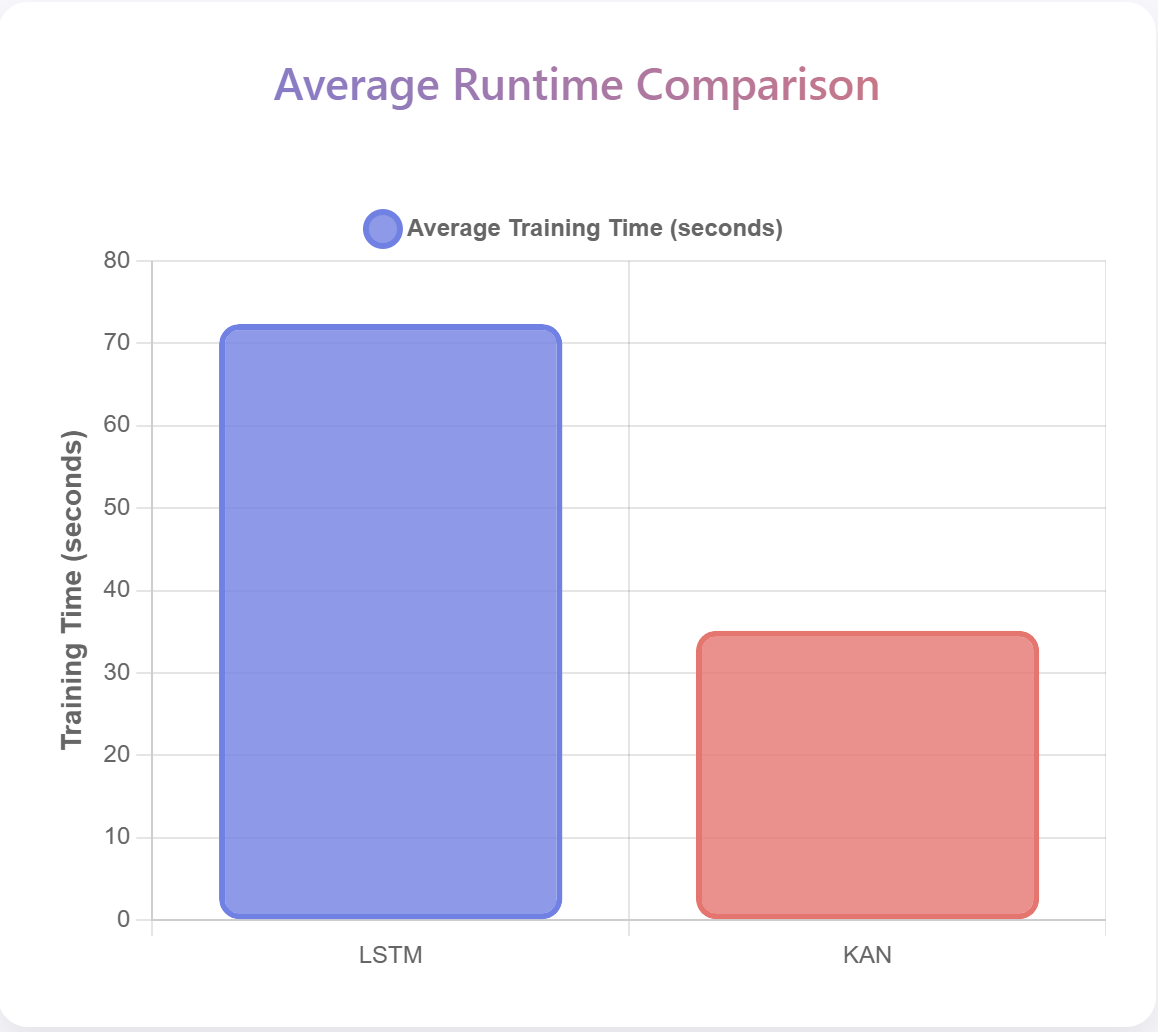
์ฃผ๊ฐ€ ์˜ˆ์ธก์—์„œ KAN๊ณผ LSTM ์„ฑ๋Šฅ ๋น„๊ต ์ •ํ™•๋„์™€ ํ•ด์„ ๊ฐ€๋Šฅ์„ฑ์˜ ๊ท ํ˜•

์ฃผ๊ฐ€ ์˜ˆ์ธก์—์„œ KAN๊ณผ LSTM ์„ฑ๋Šฅ ๋น„๊ต ์ •ํ™•๋„์™€ ํ•ด์„ ๊ฐ€๋Šฅ์„ฑ์˜ ๊ท ํ˜•

This paper compares Kolmogorov-Arnold Networks (KAN) and Long Short-Term Memory networks (LSTM) for forecasting non-deterministic stock price data, evaluating predictive accuracy versus interpretability trade-offs using Root Mean Square Error (RMSE). LSTM demonstrates substantial superiority across

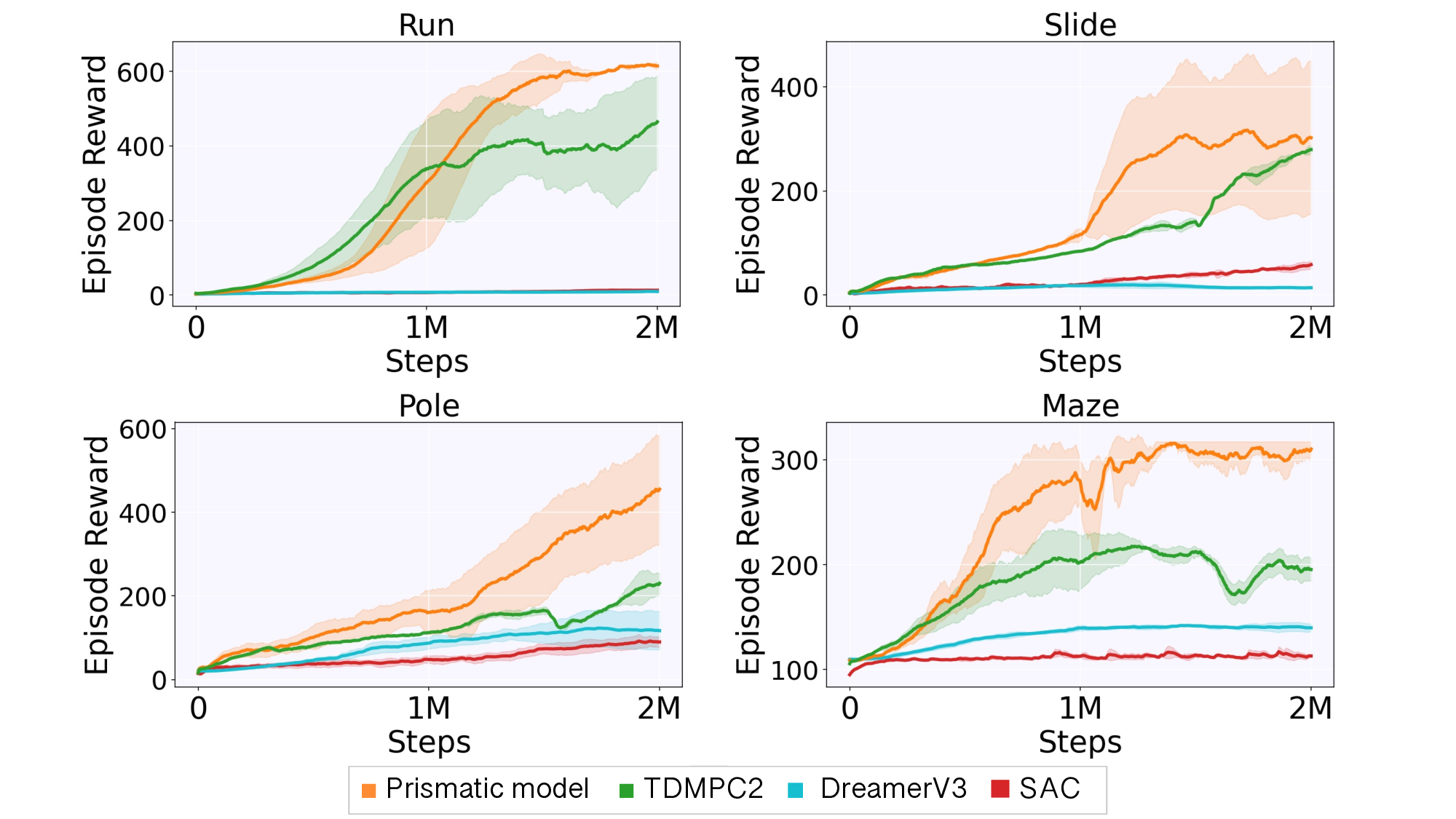
ํ”„๋ฆฌ์ฆ˜ ์›”๋“œ ๋ชจ๋ธ: ํ•˜์ด๋ธŒ๋ฆฌ๋“œ ๋กœ๋ด‡ ๋™์—ญํ•™์„ ์œ„ํ•œ ๋ชจ๋“œ ๋ถ„๋ฆฌ ์ „๋ฌธ๊ฐ€ ํ˜ผํ•ฉ

ํ”„๋ฆฌ์ฆ˜ ์›”๋“œ ๋ชจ๋ธ: ํ•˜์ด๋ธŒ๋ฆฌ๋“œ ๋กœ๋ด‡ ๋™์—ญํ•™์„ ์œ„ํ•œ ๋ชจ๋“œ ๋ถ„๋ฆฌ ์ „๋ฌธ๊ฐ€ ํ˜ผํ•ฉ

Model-based planning in robotic domains is fundamentally challenged by the hybrid nature of physical dynamics, where continuous motion is punctuated by discrete events such as contacts and impacts. Conventional latent world models typically employ monolithic neural networks that enforce global conti

LLM ๊ธฐ๋ฐ˜ ํšŒ๋กœ ๋ถ„์„ ๊ณผ์ œ ์ฑ„์  ํ–ฅ์ƒ ํŒŒ์ดํ”„๋ผ์ธ GPT4o์˜ ๋‹ค๋‹จ๊ณ„ ํ”„๋กฌํ”„ํŠธ์™€ ๋ฐ์ดํ„ฐ ์ฆ๊ฐ• ์ ์šฉ

LLM ๊ธฐ๋ฐ˜ ํšŒ๋กœ ๋ถ„์„ ๊ณผ์ œ ์ฑ„์  ํ–ฅ์ƒ ํŒŒ์ดํ”„๋ผ์ธ GPT4o์˜ ๋‹ค๋‹จ๊ณ„ ํ”„๋กฌํ”„ํŠธ์™€ ๋ฐ์ดํ„ฐ ์ฆ๊ฐ• ์ ์šฉ

This research full paper presents an enhancement pipeline for large language models (LLMs) in assessing homework for an undergraduate circuit analysis course, aiming to improve LLMs' capacity to provide personalized support to electrical engineering students. Existing evaluations have demonstrated t

LLM ๊ธฐ๋ฐ˜ ๊ฑฐ์‹œ๊ธˆ์œต ์ŠคํŠธ๋ ˆ์Šค ํ…Œ์ŠคํŠธ ํŒŒ์ดํ”„๋ผ์ธ: ํˆฌ๋ช…์„ฑยท๊ฒ€์ฆ ๊ฐ€๋Šฅ์„ฑยท์œ„ํ—˜ ํ‰๊ฐ€

LLM ๊ธฐ๋ฐ˜ ๊ฑฐ์‹œ๊ธˆ์œต ์ŠคํŠธ๋ ˆ์Šค ํ…Œ์ŠคํŠธ ํŒŒ์ดํ”„๋ผ์ธ: ํˆฌ๋ช…์„ฑยท๊ฒ€์ฆ ๊ฐ€๋Šฅ์„ฑยท์œ„ํ—˜ ํ‰๊ฐ€

We develop a transparent and fully auditable LLM-based pipeline for macro-financial stress testing, combining structured prompting with optional retrieval of country fundamentals and news. The system generates machine-readable macroeconomic scenarios for the G7, which cover GDP growth, inflation, an

๊ฒŒ์ดํŠธ๋ง์— ์˜ํ•œ ํ˜์‹  ํ†ต๊ณ„ ์ˆ˜์ถ•๊ณผ ์ตœ๊ทผ์ ‘ ์ด์›ƒ ์—ฐ๊ด€ ํšจ๊ณผ

๊ฒŒ์ดํŠธ๋ง์— ์˜ํ•œ ํ˜์‹  ํ†ต๊ณ„ ์ˆ˜์ถ•๊ณผ ์ตœ๊ทผ์ ‘ ์ด์›ƒ ์—ฐ๊ด€ ํšจ๊ณผ

Validation gating is a fundamental component of classical Kalman-based tracking systems. Only measurements whose normalized innovation squared (NIS) falls below a prescribed threshold are considered for state update. While this procedure is statistically motivated by the chi-square distribution, it

< Category Statistics (Total: 5008) >

General Relativity
58
General Research
718
HEP-EX
14
HEP-LAT
8
HEP-PH
63
HEP-TH
67
MATH-PH
81
NUCL-EX
5
NUCL-TH
15
Quantum Physics
57

Start searching

Enter keywords to search articles

โ†‘โ†“
โ†ต
ESC
โŒ˜K Shortcut